

The Decision That Changed Romania's Destiny: Why the Country Refused to Join Germany and Attack Russia in 1914
Translated from Romanian, summarized and contextualized by DistantNews.
At a glance
News
Sources not specified
Context piece
- Romania declared neutrality at the start of World War I in 1914, a decision that went against the wishes of King Carol I.
- The assassination of Archduke Franz Ferdinand in Sarajevo triggered the war, disrupting Romania's development and forcing a critical choice between the Central Powers and the Entente.
- Romania was previously bound by a secret treaty to the Triple Alliance, which included Germany and Austria-Hungary, but ultimately joined the Entente two years later.
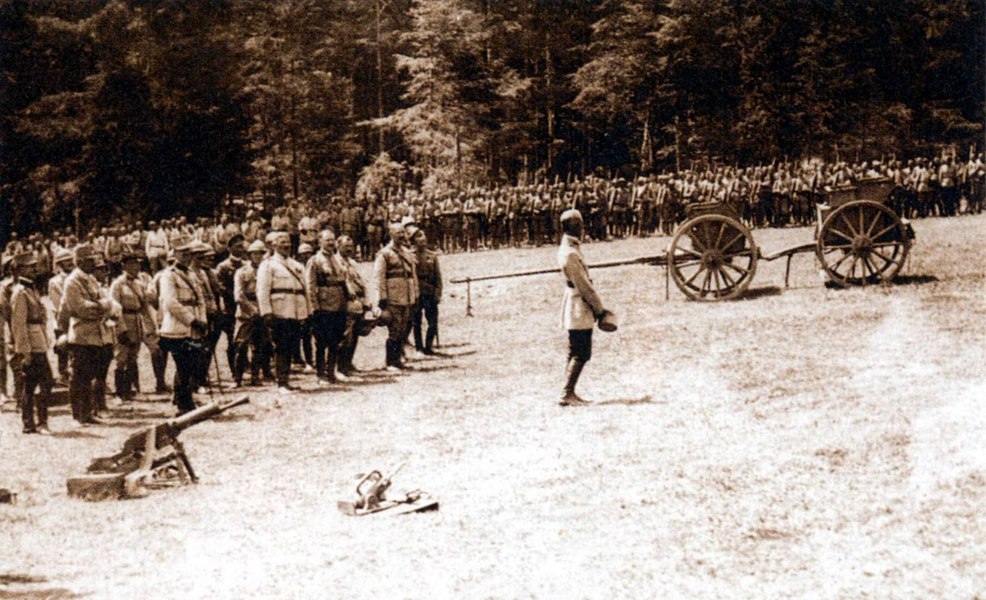
In August 1914, Romania's leaders made a pivotal decision that would shape the nation's destiny: they chose neutrality at the outset of World War I. This stance, however, clashed with the views of King Carol I, who favored upholding the alliance with the Central Powers and even considered abdication.
Romania had emerged from the Second Balkan War in 1913 as a significant regional power, acting as a mediator. Domestically, the ruling Liberals were focused on reforms like land and electoral changes, necessary after the 1907 peasant revolt.
The assassination of Archduke Franz Ferdinand of Austria-Hungary in Sarajevo on June 28, 1914, by a Serbian nationalist, ignited a chain reaction across Europe. Within weeks, the continent plunged into World War I, a conflict that drastically altered Romania's trajectory and political agenda.
Romania found itself at a historical crossroads. The choice between the Central Powers and the Entente was not merely a military alliance decision but a definition of the Romanian state's future. Previously, Romania was linked to the Triple Alliance through a secret 1883 treaty with Germany, Austria-Hungary, and Italy, a pact formed to secure German interests after its victory in the Franco-Prussian War.
DistantNews Editorial
Originally published by Adevărul in Romanian. Translated, summarized, and contextualized by our editorial team with added local perspective. Read our editorial standards.
More Stories
From Our Blog

What Gets Lost (and Found) When News Is Translated

The Critical Role of Diaspora Media in Global News

What Travellers Should Know About Countries with Restricted Press

A Digital Nomad's Guide to Following Local News

How the Same Story Looks Different in Different Countries
