


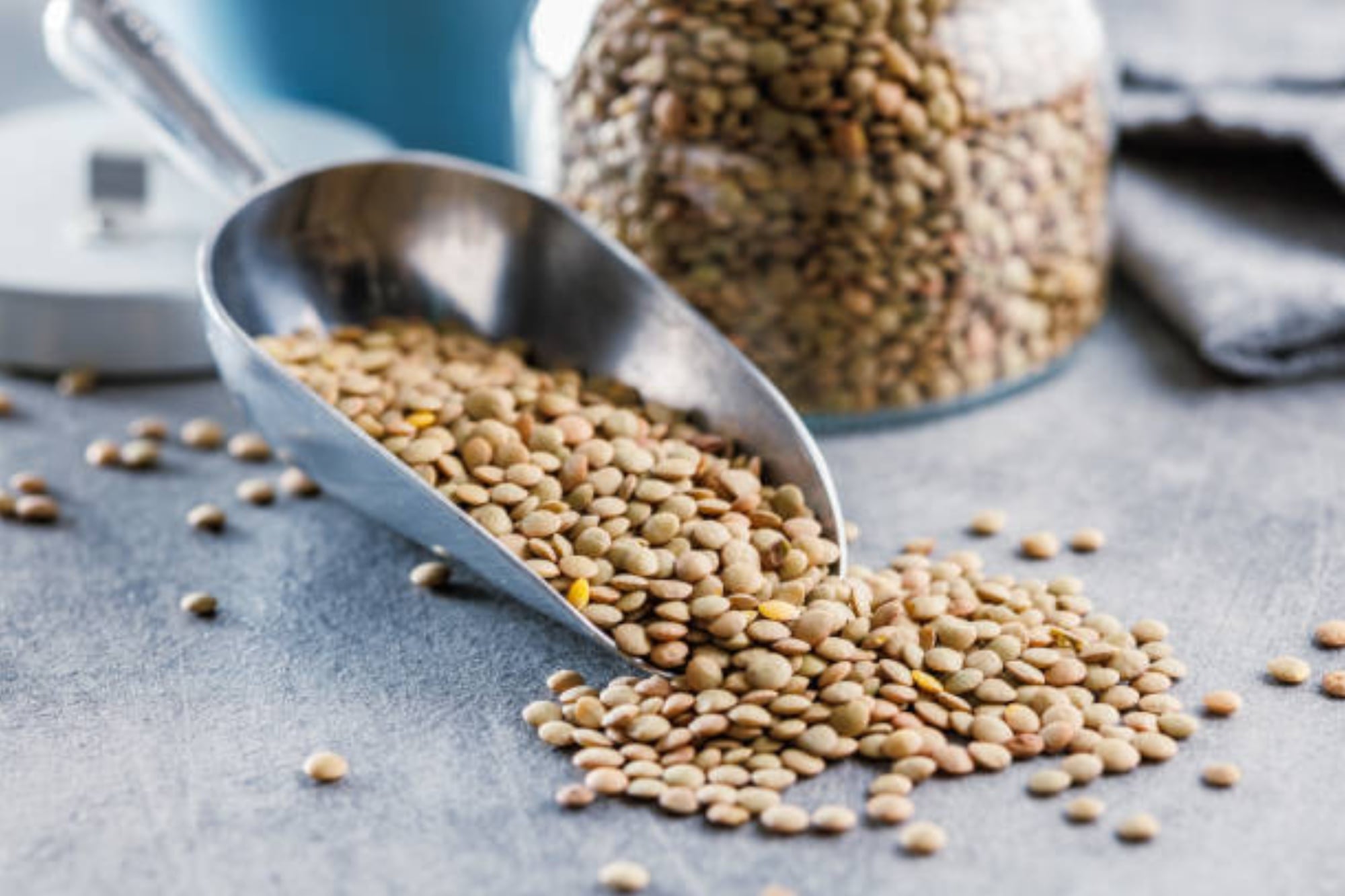
The dry, edible seed that strengthens muscle mass, according to a nutritionist
Translated from Spanish, summarized and contextualized by DistantNews.
TLDR
- Nutritionist Diego Sívori revealed a dry, edible seed that strengthens muscle mass.
- He debunked summer eating myths, stating that rice and pasta are easily digestible, but their accompaniments like cheese and sauces are the issue.
- Sívori also explained that ice cream, beer, and chips, often consumed for refreshment, actually generate body heat and can lead to fat storage.
In Argentina, understanding nutrition is key to a healthy lifestyle, and our local experts like Diego Sívori are at the forefront of disseminating this knowledge. This article highlights Sívori's insights shared on LN+, a platform that reaches many Argentinians seeking practical advice on diet and well-being.
Many say that, being a carbohydrate, it is very difficult to digest, when in reality it is the opposite. There is nothing more easily digestible than a plate of rice.
Sívori tackles common misconceptions, such as the digestibility of carbohydrates like rice and pasta. He clarifies that while these staples are easily processed by the body, it's the additions—cheeses, sauces, and processed meats—that often contribute to unhealthy eating patterns. This distinction is crucial for individuals trying to manage their intake and make informed choices.
To obtain these results, it is better to consume white rice than brown rice.
Furthermore, the piece addresses the popular belief that certain foods and drinks offer refreshment, particularly during warmer months. Sívori debunks the idea that ice cream, beer, or chips provide cooling relief, explaining instead that they can generate body heat and contribute to calorie surplus, which the body stores as fat. This perspective encourages a more mindful approach to consumption, especially during summer, urging readers to consider the actual physiological effects of their food choices rather than relying on perceived benefits.
Eating hot does not mean eating caloric. And eating cold does not mean eating low in calories.
DistantNews Editorial
Originally published by La Nación in Spanish. Translated, summarized, and contextualized by our editorial team with added local perspective. Read our editorial standards.
More Stories


From Our Blog

What Gets Lost (and Found) When News Is Translated

The Critical Role of Diaspora Media in Global News

What Travellers Should Know About Countries with Restricted Press

A Digital Nomad's Guide to Following Local News

How the Same Story Looks Different in Different Countries
