

The Economist Warns: Oil Prices Could Reach $150
Translated from Turkish, summarized and contextualized by DistantNews.
TLDR
- The Economist warns that oil prices could surge to $150 per barrel if the Strait of Hormuz is closed.
- Such a closure could cut global oil supply by approximately 14 million barrels per day.
- Rising geopolitical risks and potential supply shocks are increasing concerns for the global economy, with some Asian countries already taking extraordinary measures.
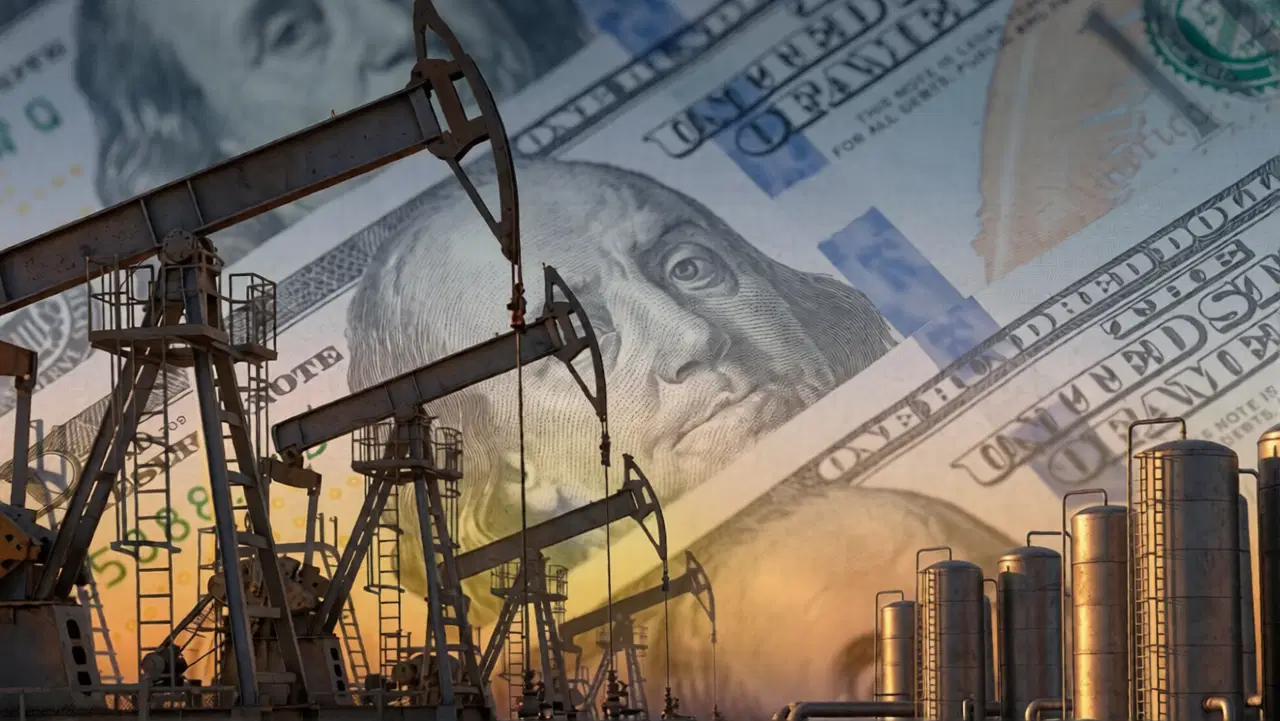
The Economist has issued a stark warning regarding the global energy market, suggesting that current optimism may be misplaced and that oil prices could potentially reach $150 per barrel. This analysis highlights the precarious situation surrounding the Strait of Hormuz, a critical chokepoint for global oil transport. The potential closure of this waterway, due to escalating tensions, could disrupt approximately 14 million barrels of oil supply daily, a scenario that would undoubtedly send shockwaves through the international economy.
This scenario's centerpiece, the closure of the Strait of Hormuz, would interrupt the supply of about 14 million barrels of oil per day.
The publication points to the ongoing geopolitical developments as key drivers of price volatility. While the Iranian regime may be calculating that the US administration, particularly with upcoming elections, will be sensitive to high oil prices, the analysis suggests that Washington might consider restricting refined oil exports to manage domestic prices. The possibility of a new nuclear deal with Iran is also being discussed, but The Economist implies that any agreement weaker than the 2015 accord could have significant political repercussions for the current US leadership.
Brent crude oil prices need to more than double compared to pre-war levels to exceed $150 per barrel.
These geopolitical risks are casting a long shadow over the global economy. The article notes that a second major inflation shock, following the post-COVID-19 period, could be on the horizon. This is already prompting some countries in Asia to implement extraordinary measures, such as reducing working hours. In Europe, new policies aimed at curbing consumption and protecting essential services are anticipated. The underlying message is that the global economy is increasingly fragile and susceptible to further disruptions, a perspective that may not be fully appreciated by markets currently buoyed by strong corporate earnings and past recovery experiences.
The Iranian administration is evaluating that the US president will show sensitivity to high oil prices.
DistantNews Editorial
Originally published by Cumhuriyet in Turkish. Translated, summarized, and contextualized by our editorial team with added local perspective. Read our editorial standards.
More Stories


From Our Blog

What Gets Lost (and Found) When News Is Translated

The Critical Role of Diaspora Media in Global News

What Travellers Should Know About Countries with Restricted Press

A Digital Nomad's Guide to Following Local News

How the Same Story Looks Different in Different Countries
