


The First Terrorist Organization in History? Its Name Resembled a Dacian Weapon and Became a Symbol of Jewish Resistance
Translated from Romanian, summarized and contextualized by DistantNews.
TLDR
- The Sicarii, a group of Jewish assassins in 1st-century Judea, are considered by some historians to be the first known terrorist organization.
- They fought against Roman rule, using daggers (sica) and becoming a symbol of resistance, with their last stand at the Masada fortress.
- The group emerged during a period of internal strife and Roman intervention, leading to deep-seated resentment against Roman occupation.
In the tumultuous landscape of 1st-century Judea, a group emerged that history would remember for its fierce defiance against Roman occupation: the Sicarii. Often cited as the world's first organized group of assassins, these Jewish zealots sowed panic among their oppressors and became an enduring symbol of freedom and resistance.
In the 1st century AD, in Judea, it is considered that the first known terrorist organization in history appeared.
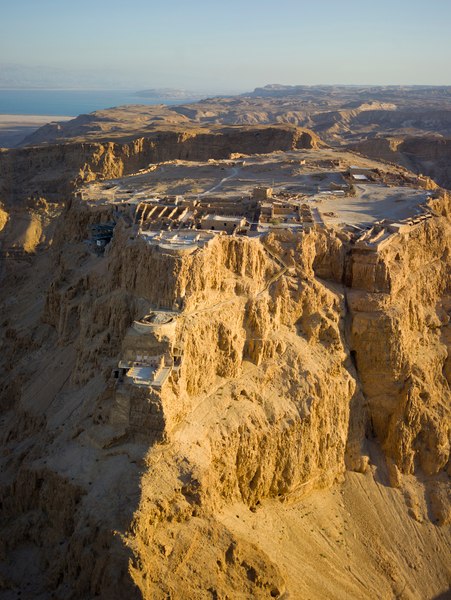
The name 'Sicarii' itself is derived from the 'sica,' a short, curved dagger they concealed beneath their cloaks, used to carry out swift assassinations in public spaces. Their primary target was the Roman authority and its collaborators, whom they viewed as illegitimate rulers. Their relentless fight against Roman domination culminated in a legendary last stand at the fortress of Masada, which has since become a powerful emblem of Jewish resilience and the struggle against tyranny.
They were implacable enemies of the Romans and became a symbol of freedom and resistance.
The origins of the Sicarii are intertwined with the complex political and social conditions of Judea under Roman influence. Following a civil war between two Hasmonean brothers, Hyrcanus II and Aristobulus II, both vying for the throne after their father's death, the Roman general Pompey intervened. His decision to support Hyrcanus II and his subsequent entry into the sacred Temple in Jerusalem marked a profound insult to Jewish tradition and ignited a deep-seated animosity towards Rome that would fuel resistance movements for decades.
The fortress of Masada, the last refuge of the Sicarii.
While often demonized or idealized, the story of the Sicarii offers a compelling glimpse into the desperate measures taken by a people fighting for their identity and sovereignty. Their legacy, though controversial, continues to resonate, inspiring narratives in literature, film, and even modern video games, underscoring their lasting impact on the collective imagination as figures of desperate, uncompromising resistance.
The Sicarii sowed terror on the streets of Jerusalem, fighting to the last breath against Roman domination.
DistantNews Editorial
Originally published by Adevărul in Romanian. Translated, summarized, and contextualized by our editorial team with added local perspective. Read our editorial standards.
More Stories



From Our Blog

What Gets Lost (and Found) When News Is Translated

The Critical Role of Diaspora Media in Global News

What Travellers Should Know About Countries with Restricted Press

A Digital Nomad's Guide to Following Local News

How the Same Story Looks Different in Different Countries
