


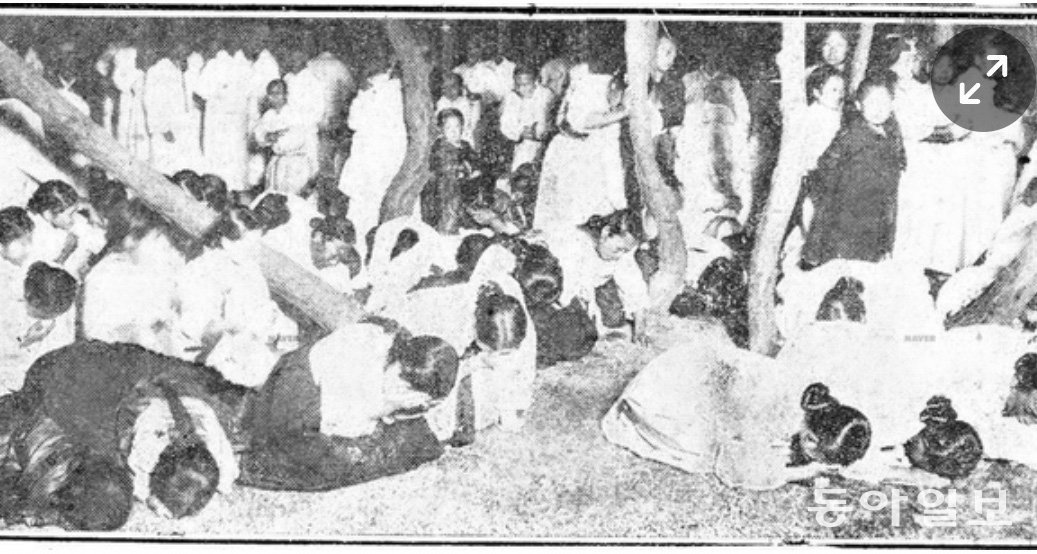
The Gaze That Creates Photos Has Changed: Trump's Dinner Shooting and the Emperor's Funeral 100 Years Ago
Translated from Korean, summarized and contextualized by DistantNews.
TLDR
- The article draws a parallel between the death of Korea's last emperor, Sunjong, in 1926 and a shooting incident at a White House Correspondents' Dinner in 2026.
- It contrasts the photographic documentation and public memory of these events, highlighting the shift from a single, authoritative image to a multiplicity of images and perspectives in the digital age.
- The piece reflects on how media technology and the concept of individual privacy have evolved over the past century, impacting the way historical moments are recorded and remembered.
This piece from South Korea's Dong-A Ilbo, titled '[Cheonggyecheon Photo Studio] The Gaze That Creates Photos Has Changed: Trump's Dinner Shooting and the Emperor's Funeral 100 Years Ago,' offers a profound reflection on the evolution of media and memory. The author masterfully juxtaposes two seemingly disparate events separated by a century: the funeral of Emperor Sunjong in 1926 and a shooting incident at a 2026 White House Correspondents' Dinner involving then-President Trump. The core argument revolves around the dramatic transformation in how significant events are captured and disseminated. In 1926, Dong-A Ilbo notes, a few photographers and editors held immense power, selecting a single, definitive image that shaped public perception and collective memory – the 'decisive moment' captured in 'one shot.' This contrasts sharply with the 2026 incident, where multiple images and videos flooded the internet, originating from professional news agencies, CCTV, and even attendees' mobile phones. The article highlights the fragmentation of narrative, where 'wine woman' memes and individual perspectives dominate over a singular, official account. From a South Korean viewpoint, this commentary resonates deeply with the nation's own complex history of media control and the subsequent explosion of digital information. The piece implicitly critiques the potential for misinformation and the erosion of shared historical understanding in the current media landscape, while also acknowledging the democratization of information and the rise of individual agency in storytelling. The reflection on the changing concept of privacy, from the anonymous crowds of 1926 to the clearly identifiable individuals in 2026, further underscores the profound societal shifts. This article is particularly interesting from a Korean perspective, given the nation's rapid technological advancement and its unique position navigating global information flows while grappling with its own historical narratives.
The gaze that creates photos has changed.
DistantNews Editorial
Originally published by Dong-A Ilbo in Korean. Translated, summarized, and contextualized by our editorial team with added local perspective. Read our editorial standards.
More Stories


From Our Blog

What Gets Lost (and Found) When News Is Translated

The Critical Role of Diaspora Media in Global News

What Travellers Should Know About Countries with Restricted Press

A Digital Nomad's Guide to Following Local News

How the Same Story Looks Different in Different Countries
