

The History and Significance of May 1: Labor and Solidarity Day
Translated from Turkish, summarized and contextualized by DistantNews.
TLDR
- May 1 is celebrated as Labor and Solidarity Day in Turkey and many other countries.
- The day originated from labor movements in the U.S. in the late 19th century demanding an 8-hour workday.
- In Turkey, May 1 was first celebrated in 1911 and became an official holiday again in 2009 as "Emek ve Dayanışma Günü" (Labor and Solidarity Day).
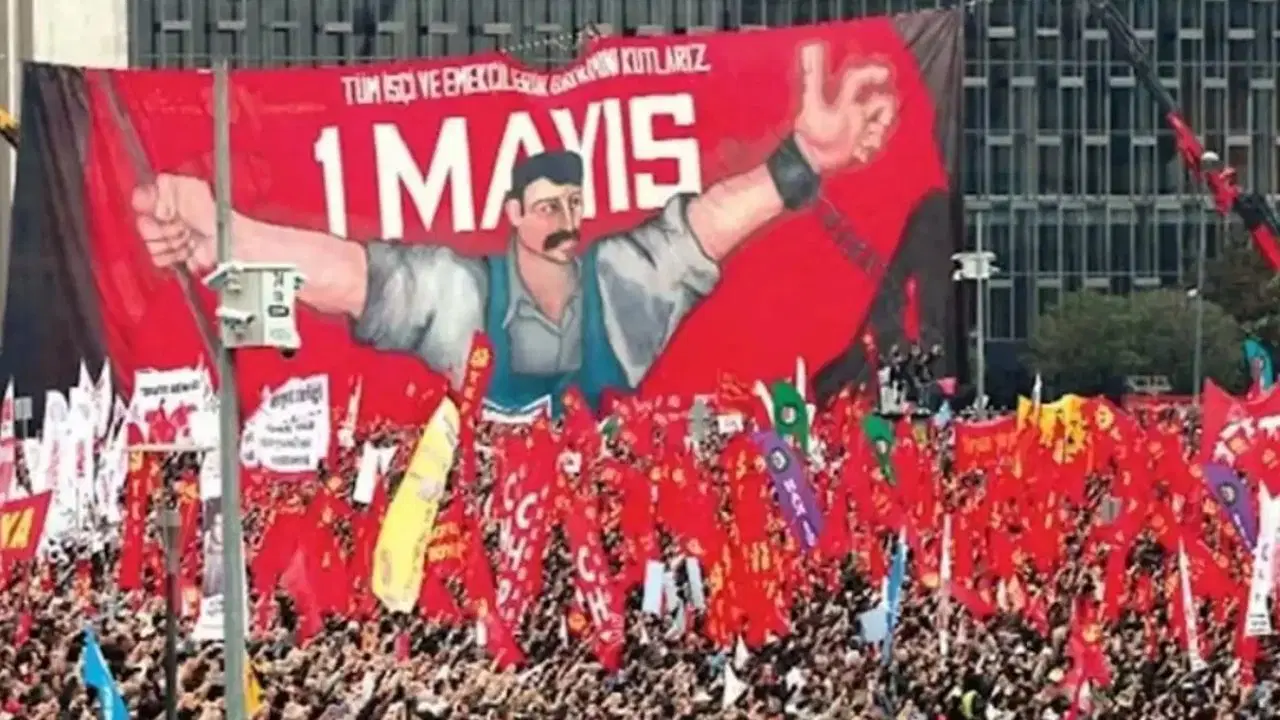
May 1, widely recognized as Labor and Solidarity Day, is commemorated across Turkey and numerous nations worldwide, honoring the contributions and struggles of the working class. The origins of this significant day trace back to the United States in 1884, when workers initiated a movement to campaign for an eight-hour workday, a demand that gained momentum through mass strikes starting in 1886, eventually leading to its global adoption.
The International Workers' Brotherhood (Second International) established May 1 as a common holiday for workers in solidarity during its 1889 Paris Congress. This date was chosen upon the suggestion of American trade unionists, and it subsequently became an official public holiday in many countries, known variously as Labor Day, Workers' Day, or May Day.
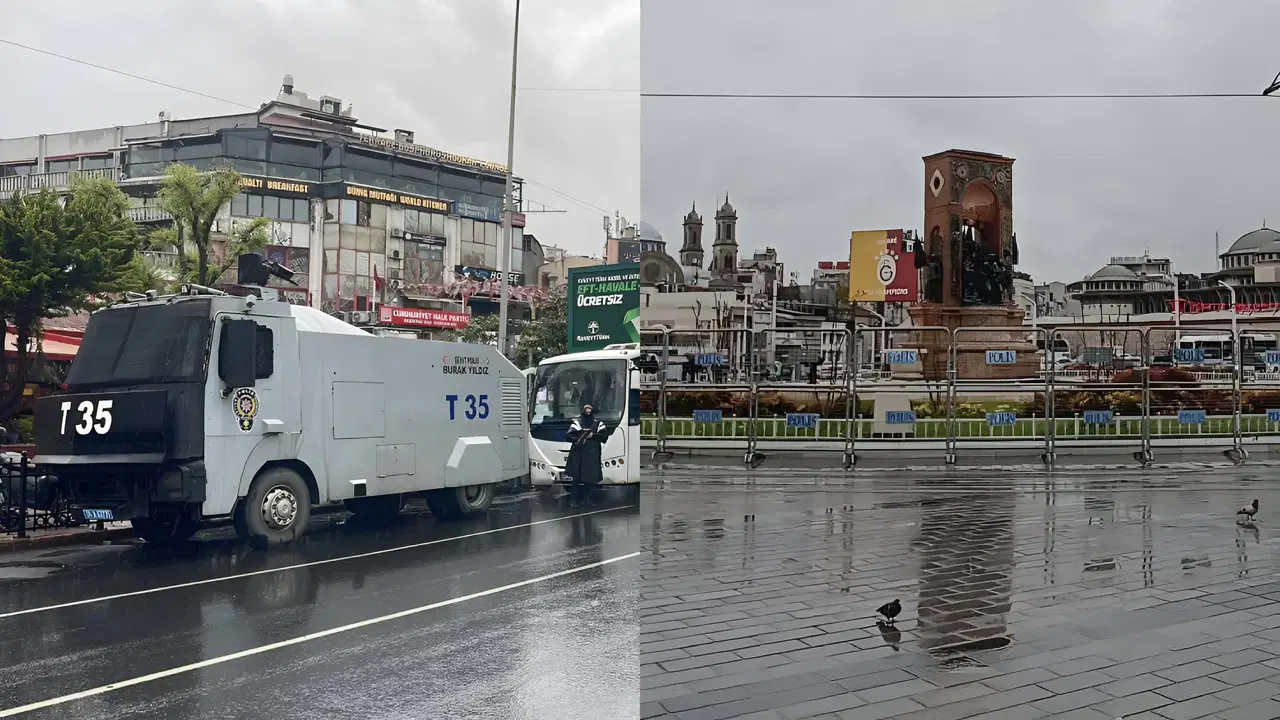
Within Turkey, the first May 1 celebration occurred in 1911 among tobacco, cotton, and port workers in Selanik (Thessaloniki), then part of the Ottoman Empire. Istanbul saw its first celebration in 1912. Following a period where it was removed as a public holiday after the 1980 military coup, May 1 was reinstated in 2009 as "Emek ve Dayanışma Günü" (Labor and Solidarity Day), reaffirming its importance in the nation's calendar. The article also briefly touches upon the tragic events of May 1, 1977, in Taksim Square, a somber reminder of past struggles.
DistantNews Editorial
Originally published by Cumhuriyet in Turkish. Translated, summarized, and contextualized by our editorial team with added local perspective. Read our editorial standards.
More Stories


From Our Blog

What Gets Lost (and Found) When News Is Translated

The Critical Role of Diaspora Media in Global News

What Travellers Should Know About Countries with Restricted Press

A Digital Nomad's Guide to Following Local News

How the Same Story Looks Different in Different Countries
