


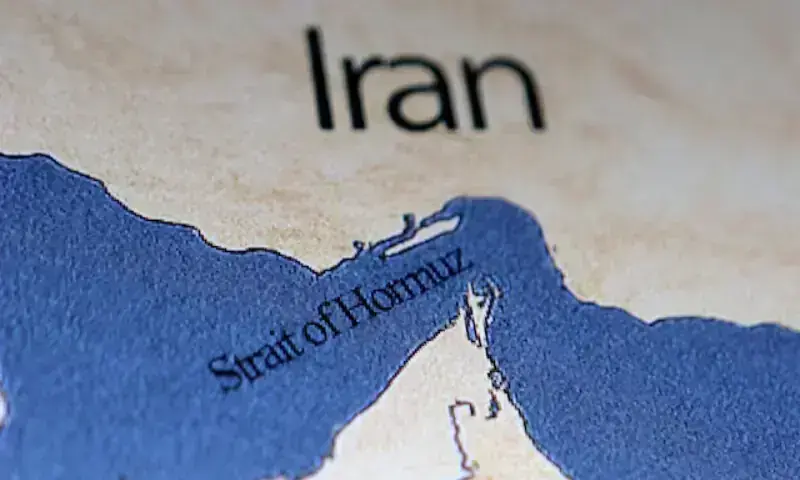
The Hormuz digital chokepoint: How does the war on Iran threaten subsea cables?
Summarized and contextualized by DistantNews.
TLDR
- Iran has warned that submarine cables in the Strait of Hormuz are vulnerable, raising concerns for the region's digital economy.
- These cables are vital for global internet traffic, carrying 99% of the world's data and connecting continents.
- While accidental damage from fishing and anchors is more common, state-sponsored sabotage is a risk, especially amid regional conflicts.
The Strait of Hormuz, a critical chokepoint for global oil, is increasingly recognized as a vital artery for the digital world as well. Iran's recent warning about the vulnerability of subsea cables passing through this narrow waterway underscores a growing concern for the region's digital infrastructure and its reliance on these undersea networks.
Damaged cables mean the internet slowing down or outages, e-commerce disruptions, delayed financial transactions … and economic fallout from all of these disruptions
These fibre-optic cables are the unseen highways of the internet, carrying an astonishing 99% of global data traffic. They are the backbone of modern communication, enabling everything from e-commerce and financial transactions to cloud services and international telecommunications. For Gulf nations like the UAE and Saudi Arabia, heavily investing in AI and digital diversification, the integrity of these cables is paramount. Any disruption could have severe economic consequences, slowing down the internet, causing outages, and disrupting vital economic activities.
While the International Cable Protection Committee (ICPC) reports that most cable faults are accidental, primarily caused by fishing activities and ship anchors, the specter of state-sponsored sabotage cannot be ignored, particularly in a region experiencing heightened geopolitical tensions. The ongoing conflict has already impacted regional infrastructure, and the potential for indirect damage to these critical cables, perhaps through damaged vessels dragging anchors, is a real threat.
70-80pc of faults are caused by accidental human activities, primarily fishing and ship anchors
Protecting these subsea cables requires a multi-faceted approach. Industry best practices include burying and armoring cables, as well as careful route selection. However, the strategic importance of the Strait of Hormuz means that these cables are now on the front lines of potential digital warfare. The international community, and particularly the nations directly connected by these cables, must work collaboratively to ensure their security and resilience. The digital economy of the entire region, and indeed the world, depends on it.
In a situation of active military opera
DistantNews Editorial
Originally published by Dawn. Summarized and contextualized by our editorial team with added local perspective. Read our editorial standards.
More Stories


From Our Blog

What Gets Lost (and Found) When News Is Translated

The Critical Role of Diaspora Media in Global News

What Travellers Should Know About Countries with Restricted Press

A Digital Nomad's Guide to Following Local News

How the Same Story Looks Different in Different Countries
