


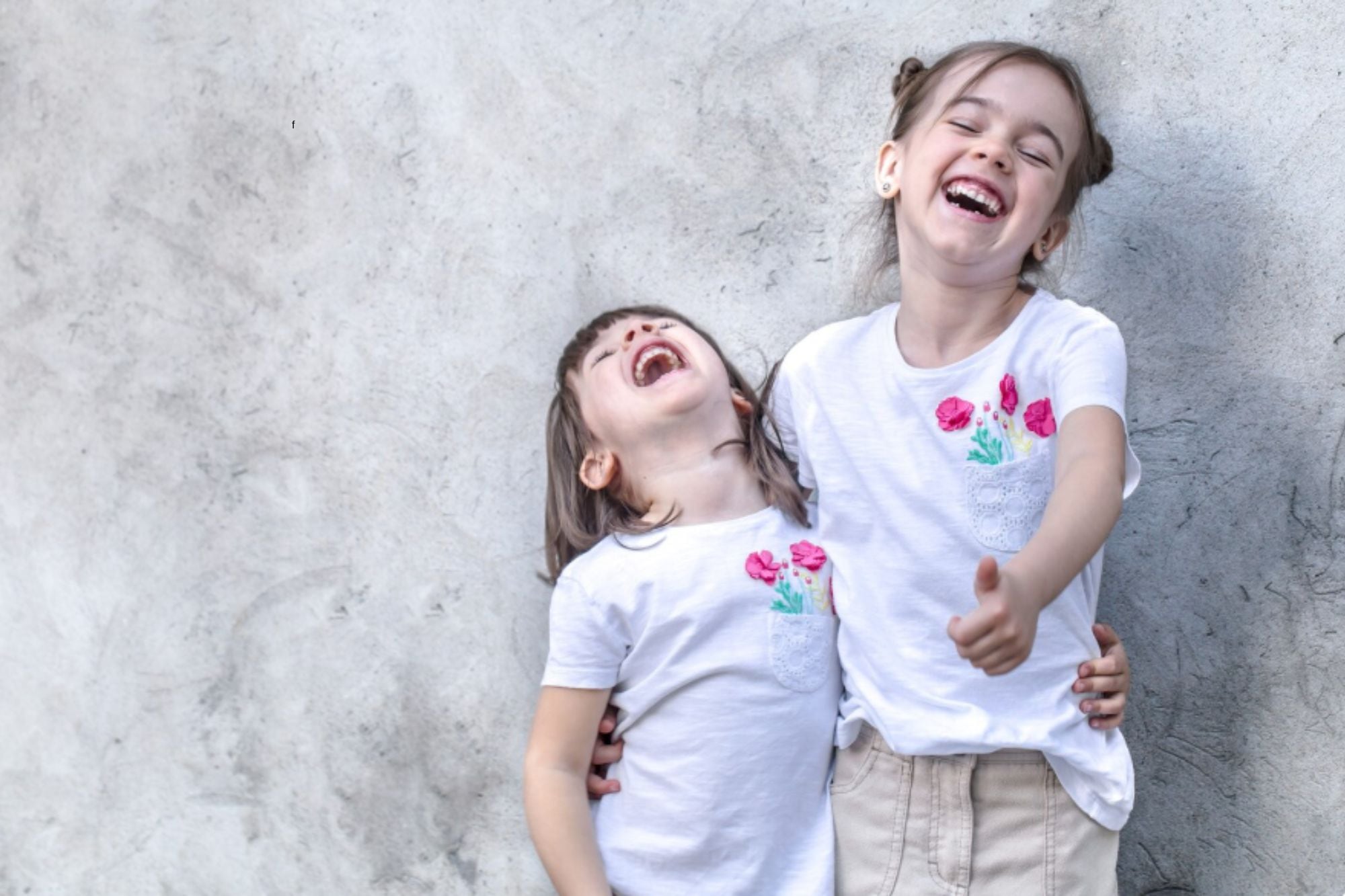
The 'Invisible Training': Social Skills Children Develop by Caring for Siblings
Translated from Spanish, summarized and contextualized by DistantNews.
TLDR
- Children who care for younger siblings develop crucial emotional and social skills like empathy, patience, and conflict resolution.
- This early experience strengthens emotional intelligence, enabling better understanding and regulation of feelings, leading to healthier relationships.
- These skills are valuable in adulthood, fostering better personal and professional connections, with specialists emphasizing age-appropriate responsibilities within healthy family dynamics.
La Nación is exploring a fascinating aspect of child development: the 'invisible training' that occurs when children take on caregiving roles for their younger siblings. Far from being just simple household help, this experience is a powerful incubator for essential life skills.
Beyond being considered simple help at home, specialists in child psychology highlight that this daily role contributes to developing key emotional and social skills that later prove fundamental in adult life.
Our reporting delves into how these young caregivers cultivate deep empathy, learn to navigate complex emotional landscapes, and develop remarkable patience. These aren't just abstract concepts; they are practical skills honed through daily interactions, understanding a sibling's needs, and responding with sensitivity. This process significantly boosts emotional intelligence, a critical component for success in all areas of life.
The benefits extend well into adulthood. Individuals who have cared for siblings often find themselves better equipped to build strong personal relationships and excel in professional environments. Their ability to understand and connect with others, mediate conflicts, and even take on leadership roles is frequently a direct result of this early, formative experience.
Caring for a younger sibling involves learning to interpret gestures, identify demands, and act with sensitivity to different emotions, which leads to moving beyond one's own focus to connect with the other.
It's crucial to note, as specialists emphasize, that this is not about overburdening children. Instead, it's about fostering a collaborative family environment where age-appropriate responsibilities can lead to profound personal growth. From Argentina's perspective, understanding these nuanced developmental pathways is key to appreciating the diverse ways children learn and mature, often in ways that Western media might overlook.
It is not about imposing excessive responsibilities, but about fostering age-appropriate collaborations within a healthy environment.
DistantNews Editorial
Originally published by La Nación in Spanish. Translated, summarized, and contextualized by our editorial team with added local perspective. Read our editorial standards.
More Stories



From Our Blog

What Gets Lost (and Found) When News Is Translated

The Critical Role of Diaspora Media in Global News

What Travellers Should Know About Countries with Restricted Press

A Digital Nomad's Guide to Following Local News

How the Same Story Looks Different in Different Countries
