

The Moment of Truth
Translated from Hungarian, summarized and contextualized by DistantNews.
TLDR
- Following the election, Hungary's parliament will seat 141 Tisza party, 52 Fidesz, and 6 Mi Hazánk representatives.
- The author satirically portrays the Tisza party's victory as a vengeful backlash against former allies, particularly referencing Péter Magyar's shift in political focus.
- The article critiques the cult-like adoration surrounding Magyar, highlighting perceived inconsistencies and predicting a potentially authoritarian future under his influence.
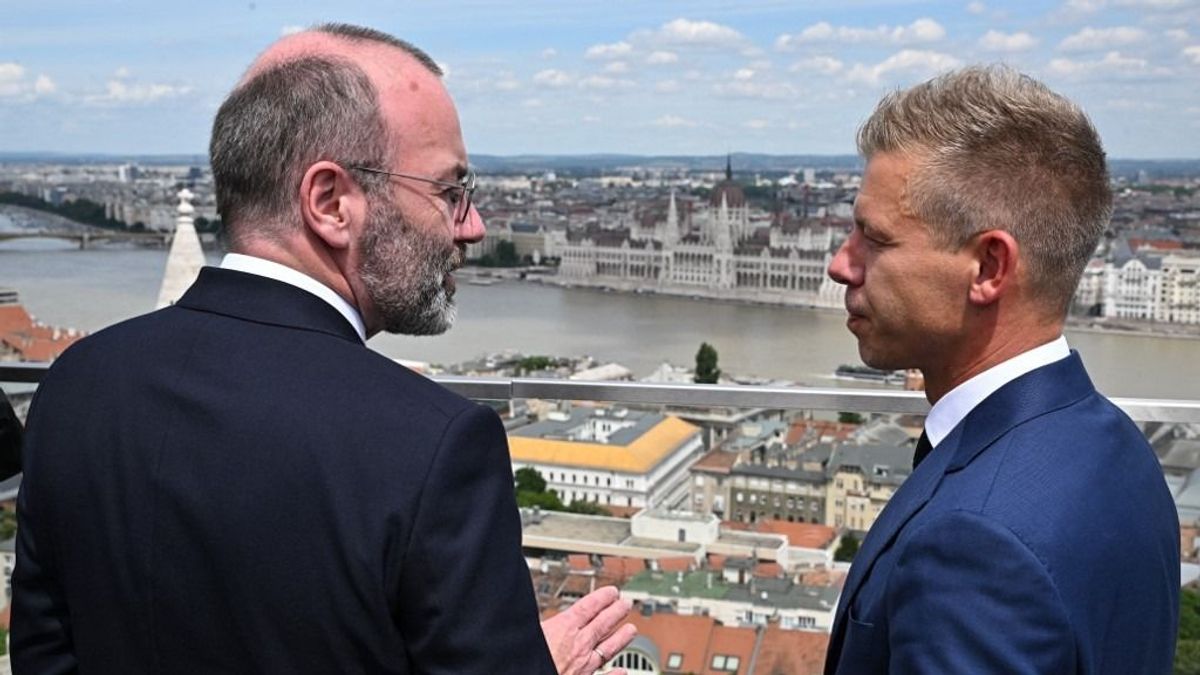
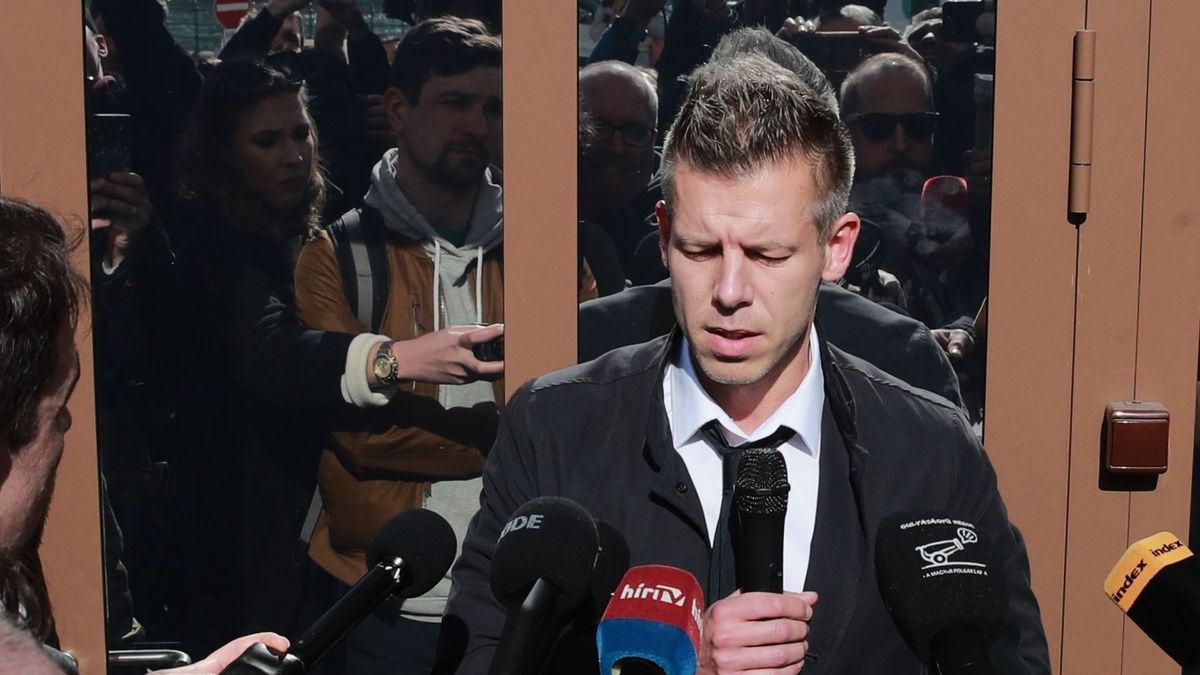
The election results are in, and the landscape of Hungarian politics has dramatically shifted. The parliament will now host 141 representatives from the Tisza party, 52 from Fidesz, and six from Mi Hazánk. Depending on one's political allegiance, this outcome is met with either jubilant cheers or dire pronouncements for the nation's future. The "second string" of the NER, a team previously kept on the sidelines, now finds itself in a position of power. This reserve squad, perhaps due to their prolonged "bench time," appears to be in a state of agitated readiness, poised to exact revenge on those who previously sidelined them. Particular focus is placed on Péter Magyar, once hailed as the "sun of our solar system," who now faces a peculiar form of retribution. It seems his former idol, who apparently barely registered his existence beyond his pursuit of prime seating, must now be punished – forced, as it were, to acknowledge him. For Magyar, this election was seemingly about compelling that acknowledgment.
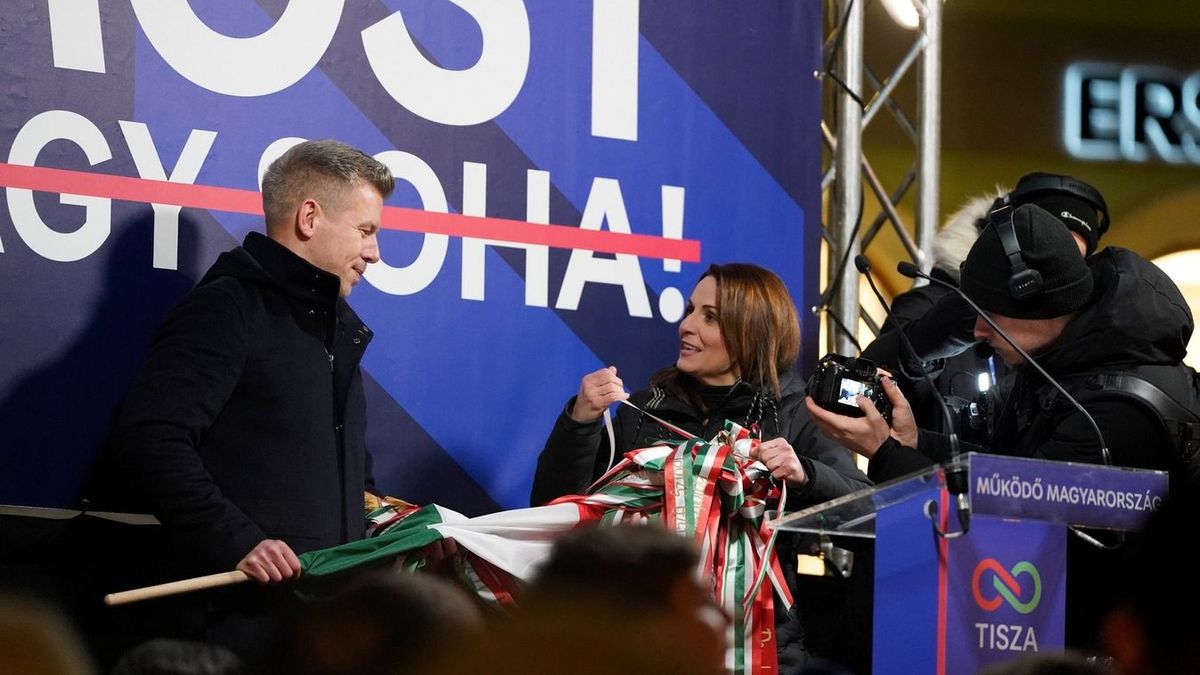
The narrative suggests a coming period of "bars, bars, handcuffs," as the object of adoration is replaced. The central sun of the galaxy is no longer Viktor Orbán, but Péter Magyar, a shift reminiscent of a modern Akhenaten cult. Coincidentally, the letters in "Ehnaton" can almost form Magyar's modest Facebook nickname, "The Man." In the past week, the online marketplace has been flooded with Tisza party memorabilia. Simple Magyar posters are available for tens of thousands of forints, but one featuring him smiling alongside Márta Radnai commands a staggering nine hundred thousand forints. This fervor is akin to a cult, a substitute religion, explaining why scandals seem to slide off Magyar. His alleged brandishing of a kitchen knife, drug parties, and defecating in his pants are all interpreted by his followers not as signs of immaturity, but as proof of his divine calling as a future prime minister.
Even before assuming a "third-rank public office," Magyar has already instructed the "number one" official (the President) to "step down." Nor should the newly elected Fidesz representatives feel secure; the "new führer" could expel them at any moment. He accuses Péter Ágh, who won in Vas county, of fraud and demands a new election because another Péter Magyar ran in the district. The author posits that Magyar might soon legally prohibit anyone else from being named Péter Magyar. Meanwhile, he has ordered the head of MOL not to pay dividends to MCC. One can only imagine what follows his inauguration – perhaps the "right of the first night" and the "whipping of the Hungarian Sea."
The transition of power is already accompanied by "miraculous manifestations," a common feature of new cults. The forint has miraculously strengthened to 360 against the euro, and Ukraine has indicated it could restart oil flow today, as the pipelines have been "solemnly healed." Yet, some remain unable to "clap in rhythm." A Telex headline poses the question: "I've waited sixteen years for this, yet now I feel anxious, what's wrong with me?" The answer, perhaps, lies in psychiatry or, as one acquaintance suggested, in the brain cells. As the "O1G" stupor wears off, minds begin to function, hinting that "this could lead to trouble." The alarm bells are ringing. Orbán has been ousted, fine, but what now? Good morning.
DistantNews Editorial
Originally published by Magyar Nemzet in Hungarian. Translated, summarized, and contextualized by our editorial team with added local perspective. Read our editorial standards.
More Stories
From Our Blog

Countries Without a Free Press: What You Need to Know

What Press Freedom Means for the News You Read

What Gets Lost (and Found) When News Is Translated

The Critical Role of Diaspora Media in Global News

What Travellers Should Know About Countries with Restricted Press
