


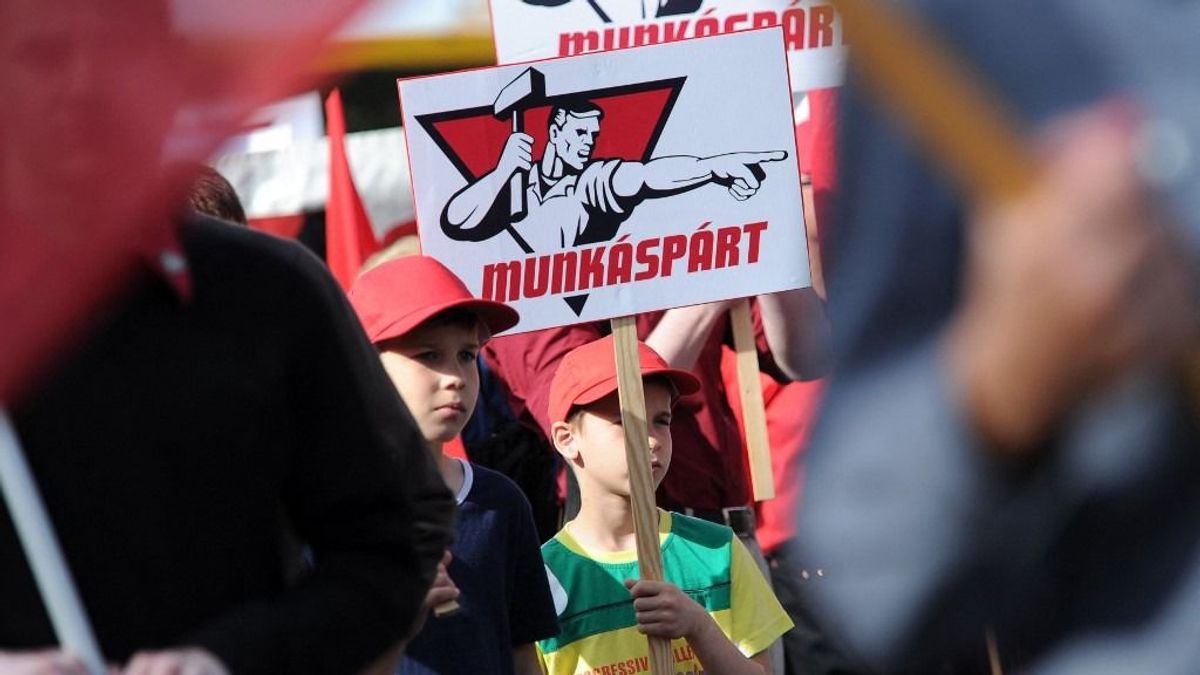
The origins of May Day and its meaning today
Translated from Hungarian, summarized and contextualized by DistantNews.
TLDR
- The origins of May Day, or International Workers' Day, trace back to the 1886 labor strikes in the United States demanding an eight-hour workday.
- The Haymarket affair in Chicago, a violent clash between police and protesters, became a pivotal moment, leading to the international declaration of May 1st as a workers' day in 1889.
- Over time, May Day evolved from a protest to a state holiday in many countries, with its observance varying from suppressed demonstrations to official parades, particularly in socialist and communist nations.
The enduring legacy of May Day, rooted in the historic struggle for the eight-hour workday, continues to resonate globally. As Magyar Nemzet has reported, the path from the 1886 American labor movements to the international recognition of May 1st as a day for workers is a testament to the power of collective action. The events in Chicago, though tragic, galvanized the international labor movement, leading to its establishment as a day of solidarity and demand.
A modern május elseje gyökerei az 1886-os amerikai munkásmegmozdulásokhoz vezethetők vissza.
In Hungary and many other nations, May Day transformed from a day of protest into a significant public holiday. While its observance has varied across different political systems and historical periods, its core message of workers' rights and solidarity remains. The shift from radical protest to state-sanctioned celebration, particularly in socialist and communist states where it was often marked by parades, highlights the complex evolution of this day.
A chicagói események, különösen a Haymarket téri összecsapás, amely során rendőrök és civilek is életüket vesztették, fordulópontot jelentettek a munkásmozgalom történetében.
From our perspective at Magyar Nemzet, understanding the historical context of May Day is crucial. It's not merely a day off work; it's a commemoration of the sacrifices made by those who fought for fair labor practices. The way this day is celebrated, or even remembered, often reflects the prevailing political and social climate of a nation, offering insights into its relationship with labor and its historical memory.
A történtek nyomán 1889-ben a párizsi munkáskongresszus május 1-jét a dolgozók nemzetközi napjává nyilvánította.
DistantNews Editorial
Originally published by Magyar Nemzet in Hungarian. Translated, summarized, and contextualized by our editorial team with added local perspective. Read our editorial standards.
More Stories


From Our Blog

Countries Without a Free Press: What You Need to Know

What Press Freedom Means for the News You Read

What Gets Lost (and Found) When News Is Translated

The Critical Role of Diaspora Media in Global News

What Travellers Should Know About Countries with Restricted Press
