

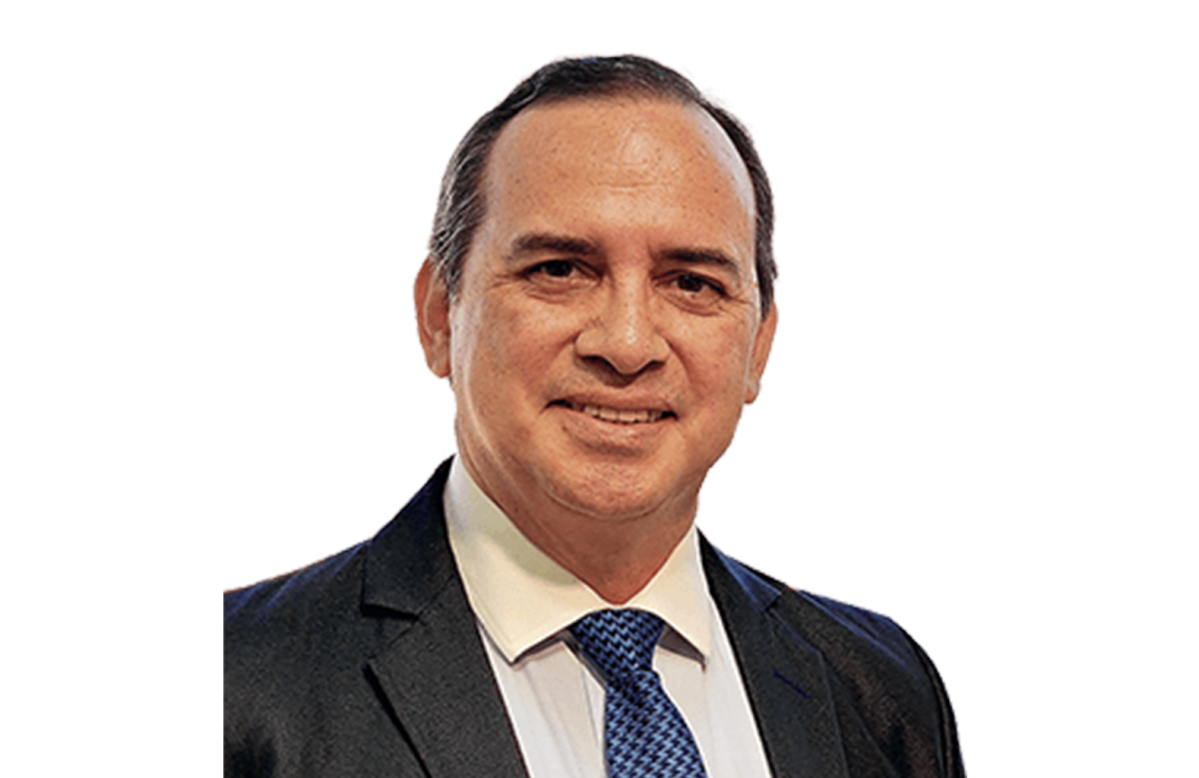
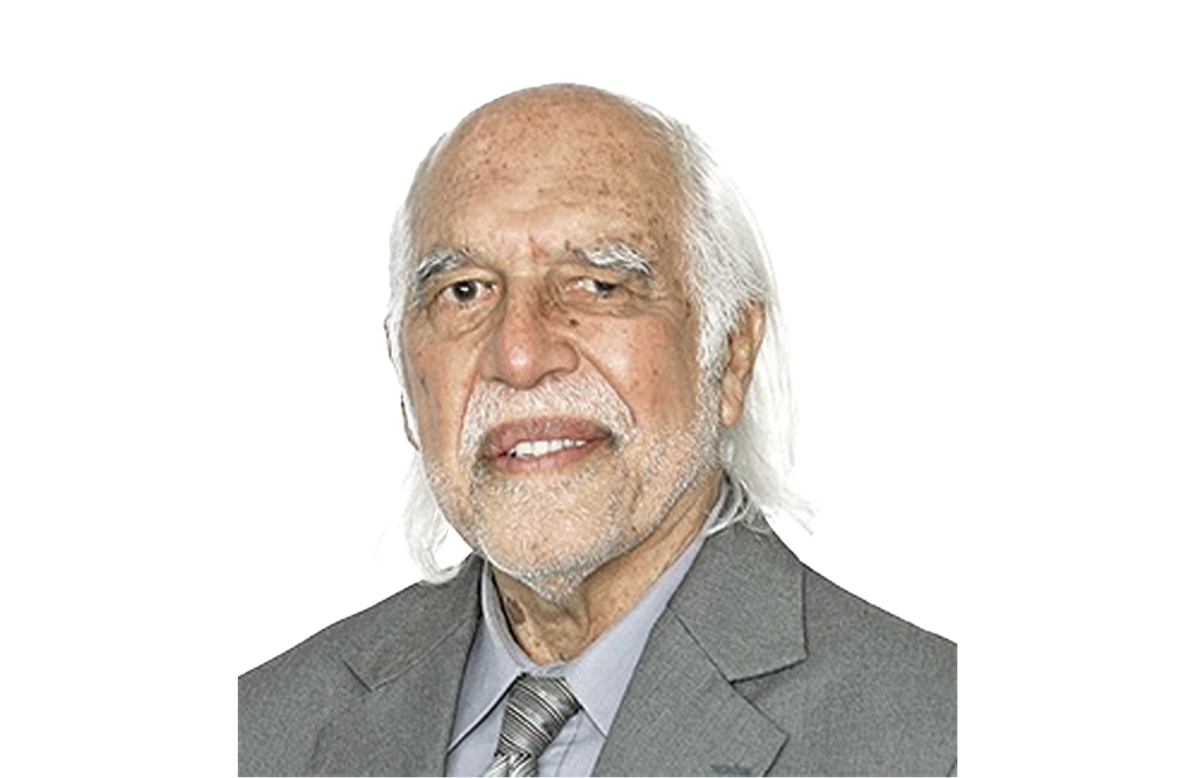
The postulation commissions
Translated from Spanish, summarized and contextualized by DistantNews.
TLDR
- Guatemala's 1985 Constitution established postulation commissions to select candidates for high public office, aiming to limit political discretion.
- These commissions, composed of lawyers including law deans, have been exploited by a "Pact of the Corrupt" to infiltrate courts by creating new law schools.
- The recent selection process for the Attorney General highlighted alleged manipulation, with the current prosecutor receiving a high score despite international criticism.
From Prensa Libre, Guatemala:
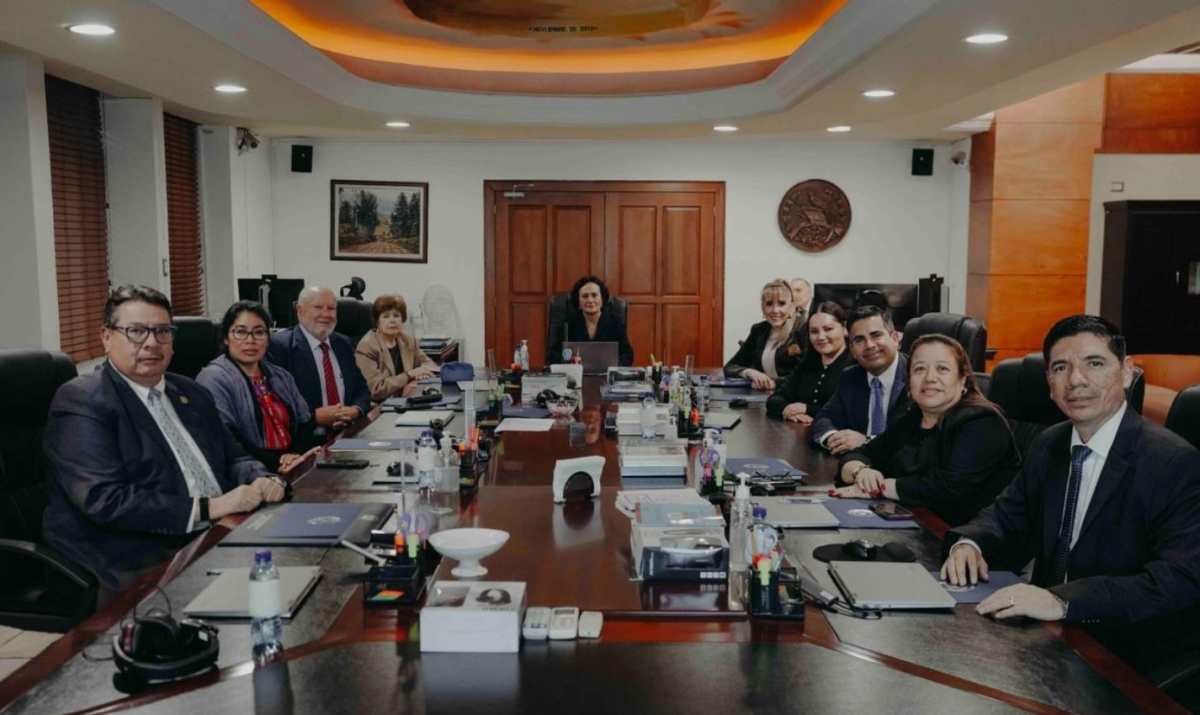
The constitutionalists created collegiate bodies intended to select candidates, seeking to limit political discretion and guarantee honorability, academic merit, and suitability.
The system of postulation commissions, established by Guatemala's 1985 Constitution, was intended as a safeguard against the arbitrary appointments that plagued previous military governments. The goal was noble: to create collegiate bodies that would select candidates based on honorability, academic merit, and suitability, thereby limiting political influence in crucial appointments to the judiciary and public administration.
However, the reality has proven far more cynical. The structure of these commissions, which include lawyers and deans of law faculties, has been perversely exploited. A coalition known as the "Pact of the Corrupt" has allegedly orchestrated the creation of new universities with law schools solely to gain a seat on these commissions. Their objective: to infiltrate the nation's courts and key institutions with their own appointees, undermining the very principles the commissions were meant to uphold.
The prevailing Pact of the Corrupt exploited this configuration to precipitate the creation of new universities with Law Faculties, with the perverse objective of having a seat on these commissions, to infiltrate their henchmen into the Nation's courts.
This deeply flawed system was starkly illustrated in the recent selection process for the Attorney General and head of the Public Ministry. Despite widespread criticism, both domestically and internationally, of the current prosecutor's performance and alleged partiality, she reportedly received the highest score in the initial round among 59 applicants. This outcome has been decried by many as a blatant display of subservience by some commission members to corrupt interests, rather than an objective assessment of merit.
For some, it was a shameful and undeserved evaluation that does not qualify Mrs. Porras, but rather portrays the vulgar subservience of some members of the Commission.
What makes this situation particularly galling from a Guatemalan perspective is the blatant hypocrisy. The very individuals tasked with evaluating candidates on honorability and merit are themselves implicated in a system designed to circumvent these standards. The creation of universities purely to influence these commissions, without adhering to the established laws governing them, demonstrates a profound disregard for the rule of law. This ongoing manipulation not only erodes public trust but actively jeopardizes the integrity of Guatemala's justice system and democratic institutions, a struggle that Prensa Libre continues to report on with vigilance.
For others, it was merely a distraction, orchestrated weeks ago, to frighten with her potential re-election, cover up the disqualification of the only candidate aligned with the Executive, the current Minister of Government, and, of course, the excessive qualification of other pre-selected candidates.
DistantNews Editorial
Originally published by Prensa Libre in Spanish. Translated, summarized, and contextualized by our editorial team with added local perspective. Read our editorial standards.
More Stories
From Our Blog

What Gets Lost (and Found) When News Is Translated

The Critical Role of Diaspora Media in Global News

What Travellers Should Know About Countries with Restricted Press

A Digital Nomad's Guide to Following Local News

How the Same Story Looks Different in Different Countries
