

The Puppet Show Begins
Translated from Hungarian, summarized and contextualized by DistantNews.
TLDR
- Hungary's newly elected government faces a tough negotiation with the EU over frozen funds, with Brussels demanding adherence to a 27-point requirement list.
- Key demands include abandoning Hungary's migration policy, accepting new sanctions against Russia, and approving a significant loan for Ukraine.
- The government risks internal conflict between its pro-sovereignty rhetoric and the concessions needed to secure EU funds, potentially alienating voters.
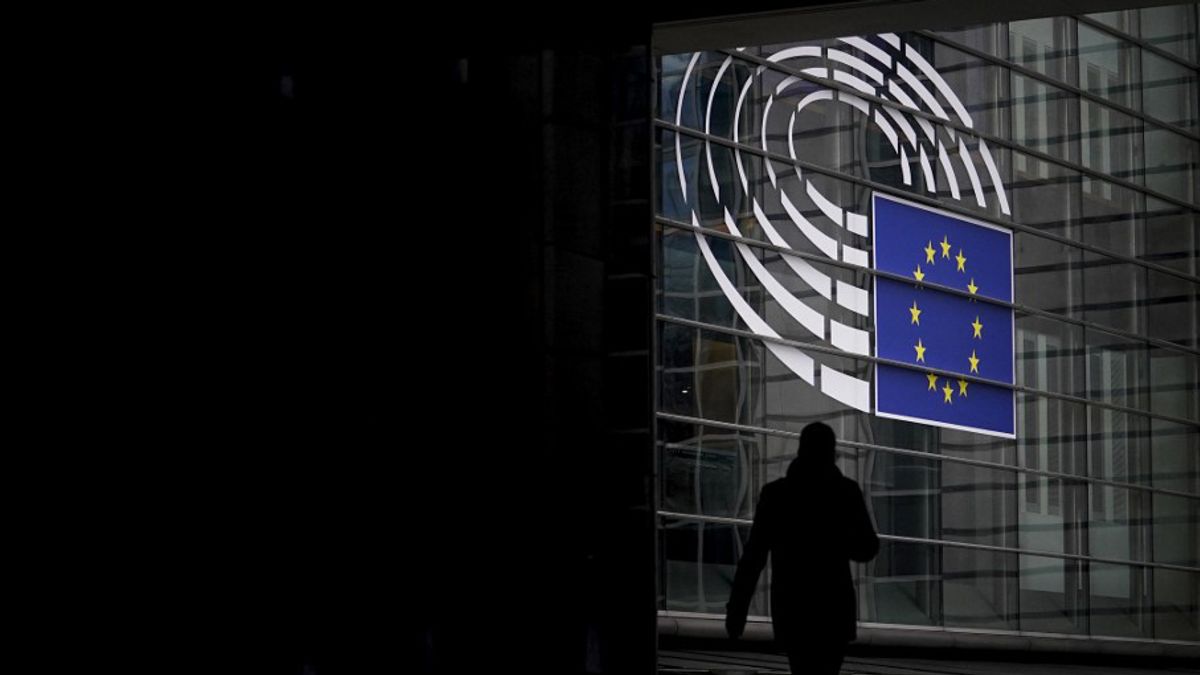
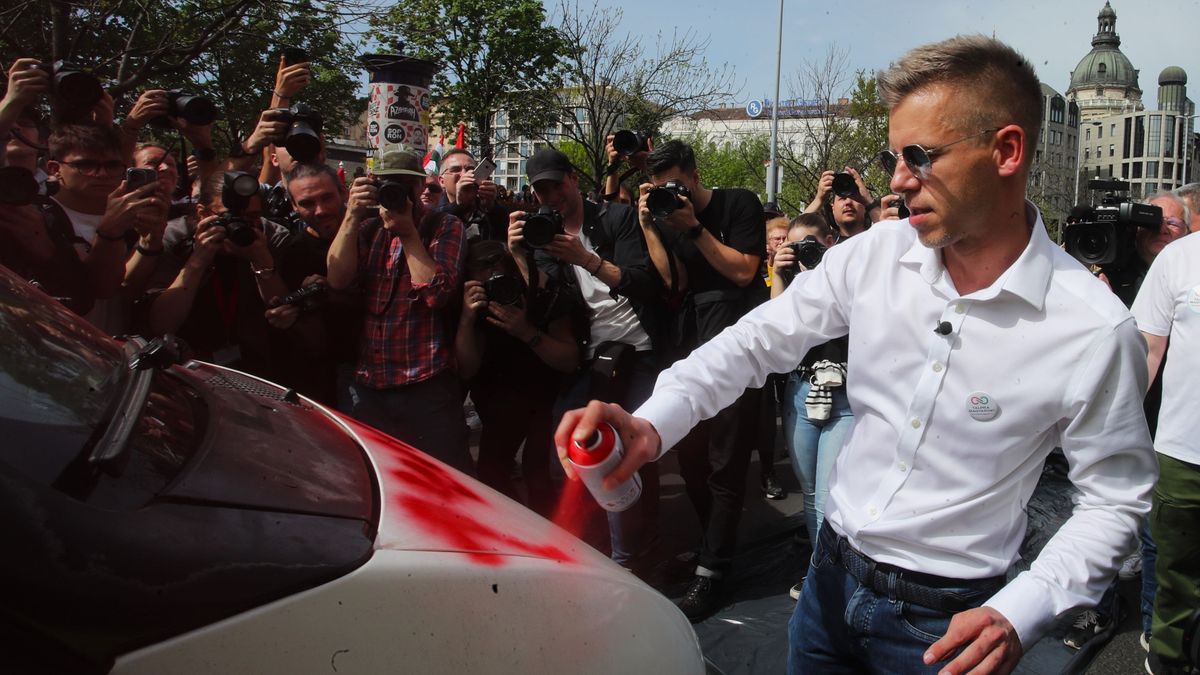
Hungary's path back to accessing frozen EU funds is fraught with challenges, as outlined by Magyar Nemzet. The newly elected government, led by Péter Magyar, faces a daunting task in Brussels, where a 27-point list of demands must be met to unlock the €35 billion in suspended funds. This situation immediately pits the government's campaign promises against the realities of EU negotiations.
My third way leads to Brussels, to bring back the EU funds that Hungarians are entitled to.
Among the most contentious demands are the abandonment of Hungary's current migration policy, the acceptance of further sanctions against Russia, and the immediate approval of a €90 billion loan for Ukraine. These are critical issues that strike at the heart of Hungary's national interests as articulated by the previous government. The article suggests that Brussels is leveraging these demands, with some EU diplomats reportedly pushing for a swift resolution if Hungary complies, echoing sentiments from figures like Daniel Freund.
As soon as possible, they will begin cooperation with the government, however, she warned caution, indicating that there is still a lot of work to be done before Hungary returns to the European path.
The article draws a parallel to Poland's experience after Donald Tusk's election, where funds were released prematurely, only for promised reforms to falter due to domestic political shifts. This serves as a cautionary tale for Brussels, emphasizing the need for concrete actions rather than mere promises from Budapest. The core dilemma for Hungary's government lies in reconciling its rhetoric of defending national interests and sovereignty—a cornerstone of Viktor Orbán's legacy—with the practical concessions required by the EU.
If they [Péter Magyar's government] deliver, we will deliver.
From a Hungarian perspective, this negotiation is a high-stakes balancing act. The government must navigate demands that could fundamentally alter its stance on migration, Russia, and Ukraine. Failure to secure the funds could cripple domestic policies, such as energy subsidies (rezsicsökkentés) and protected fuel prices. Conversely, capitulating on key issues could lead to a crisis of trust with voters who supported the government on a platform of national sovereignty. Magyar Nemzet expresses concern over how the Prime Minister will manage these conflicting pressures, questioning the long-term consequences of potentially compromising deeply held national principles for financial aid.
The reason for the caution is that Brussels still remembers Donald Tusk's victory in Poland, after which a significant amount was immediately released from the block for the new government, but the promised reforms ultimately did not happen due to the change in the domestic political situation.
DistantNews Editorial
Originally published by Magyar Nemzet in Hungarian. Translated, summarized, and contextualized by our editorial team with added local perspective. Read our editorial standards.
More Stories

From Our Blog

Countries Without a Free Press: What You Need to Know

What Press Freedom Means for the News You Read

What Gets Lost (and Found) When News Is Translated

The Critical Role of Diaspora Media in Global News

What Travellers Should Know About Countries with Restricted Press
