


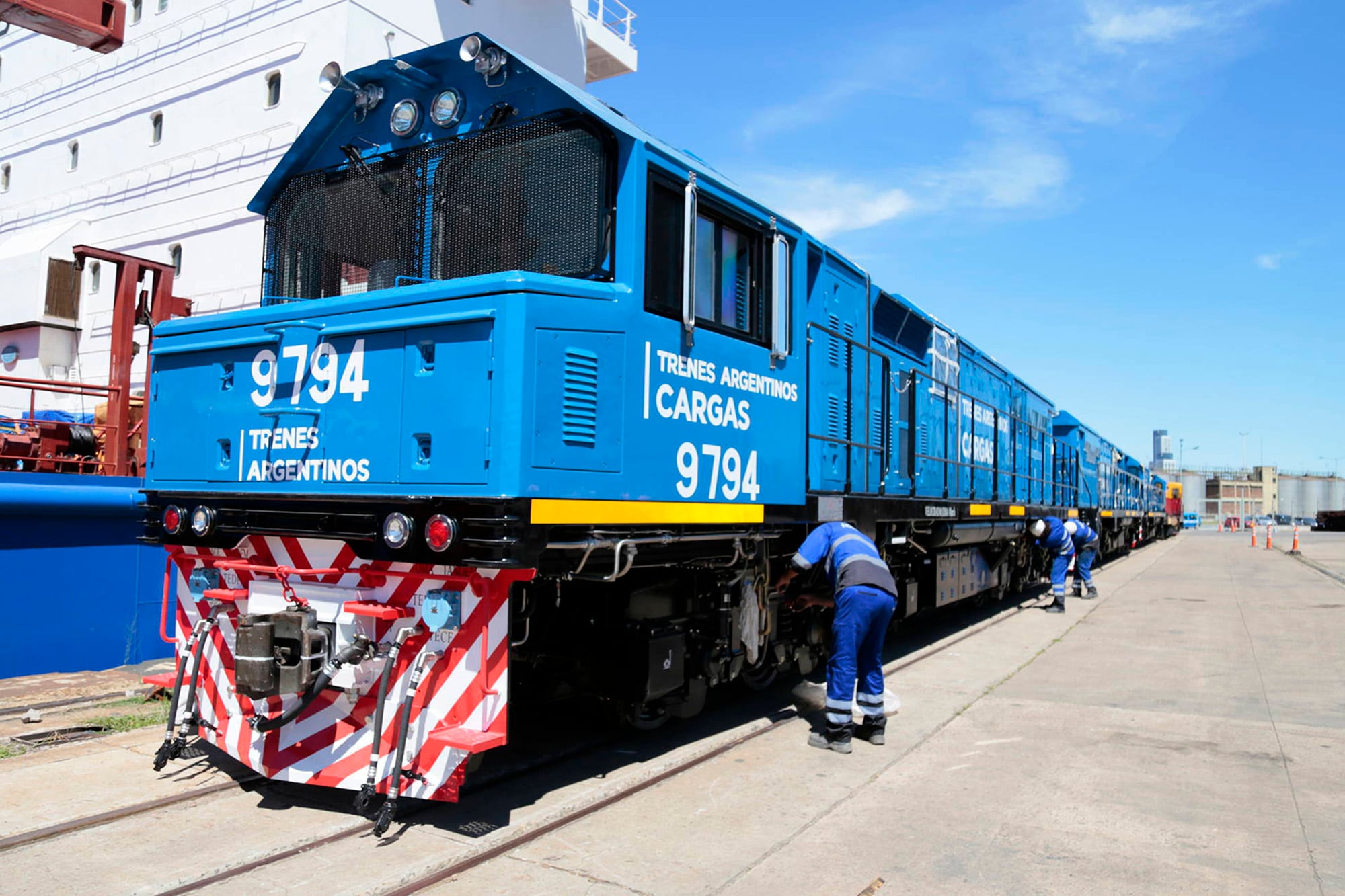
The roadmap for the privatization of Belgrano Cargas
Translated from Spanish, summarized and contextualized by DistantNews.
TLDR
- Argentina is preparing to privatize the state-owned Belgrano Cargas rail network, with tender documents to be published in May.
- The privatization process will involve concessions for each of the network's three lines: Belgrano, San Martín, and Urquiza.
- The government expects to announce the new operators within 50 years by November or December.
Argentina is embarking on a significant step towards modernizing its logistics infrastructure with the upcoming privatization of the Belgrano Cargas rail network. Alejandro Núñez, president of Trenes Argentinos Cargas, announced that the tender documents will be released in May, initiating a 90-day period for potential operators to submit their bids. This move signals a strategic shift, aiming to inject new life and efficiency into a vital component of the nation's economy.
We believe that for all the lines we will have more than one offer, not just to operate the three business units in an integrated way.
The privatization will be structured around concessions for each of the network's three main lines: Belgrano, San Martín, and Urquiza. This approach, as explained by Núñez, is designed to be flexible, allowing for diverse participation and potentially attracting a wider range of investors. The government envisions a scenario where companies can bid for integrated operations or focus on specific aspects, such as infrastructure management or operational services. This segmented approach aims to foster competition and prevent a single entity from monopolizing the entire network, thereby opening the railway system to new players.
The railway system is being opened up so that it is not concentrated in a single company.
The government's strategy also includes the sale of rolling stock, with the proceeds intended to be reinvested into track maintenance and upgrades. This financial mechanism is presented as a state contribution, ensuring that the privatization benefits extend beyond operational efficiency to the fundamental infrastructure itself. Furthermore, the process is guided by the 2015 Argentine Railway Law, which promotes open access for freight services, allowing any operator to transport goods across the network regardless of who manages the specific facilities. This legal framework is crucial for ensuring a competitive and accessible market, even as some companies have expressed reservations about the 'open access' model.
The administration of the tracks involves a mandatory works plan and its maintenance for the duration of the concession.
From an Argentine perspective, this privatization is more than just an economic transaction; it represents an opportunity to revitalize a critical national asset. Belgrano Cargas plays a pivotal role in connecting regional economies to ports and consumption centers, facilitating the transport of grains and industrial goods. The success of this privatization could lead to significant improvements in supply chain efficiency, reduce logistical costs for producers, and ultimately boost regional development. The government's emphasis on flexibility and open access suggests a commitment to creating a more dynamic and responsive logistics sector, aligning with broader national goals of economic growth and integration.
The sale of rolling stock will be used to 'inject that money into the tracks. In other words, it will be a contribution from the State,'
DistantNews Editorial
Originally published by La Nación in Spanish. Translated, summarized, and contextualized by our editorial team with added local perspective. Read our editorial standards.
More Stories


From Our Blog

What Gets Lost (and Found) When News Is Translated

The Critical Role of Diaspora Media in Global News

What Travellers Should Know About Countries with Restricted Press

A Digital Nomad's Guide to Following Local News

How the Same Story Looks Different in Different Countries
