


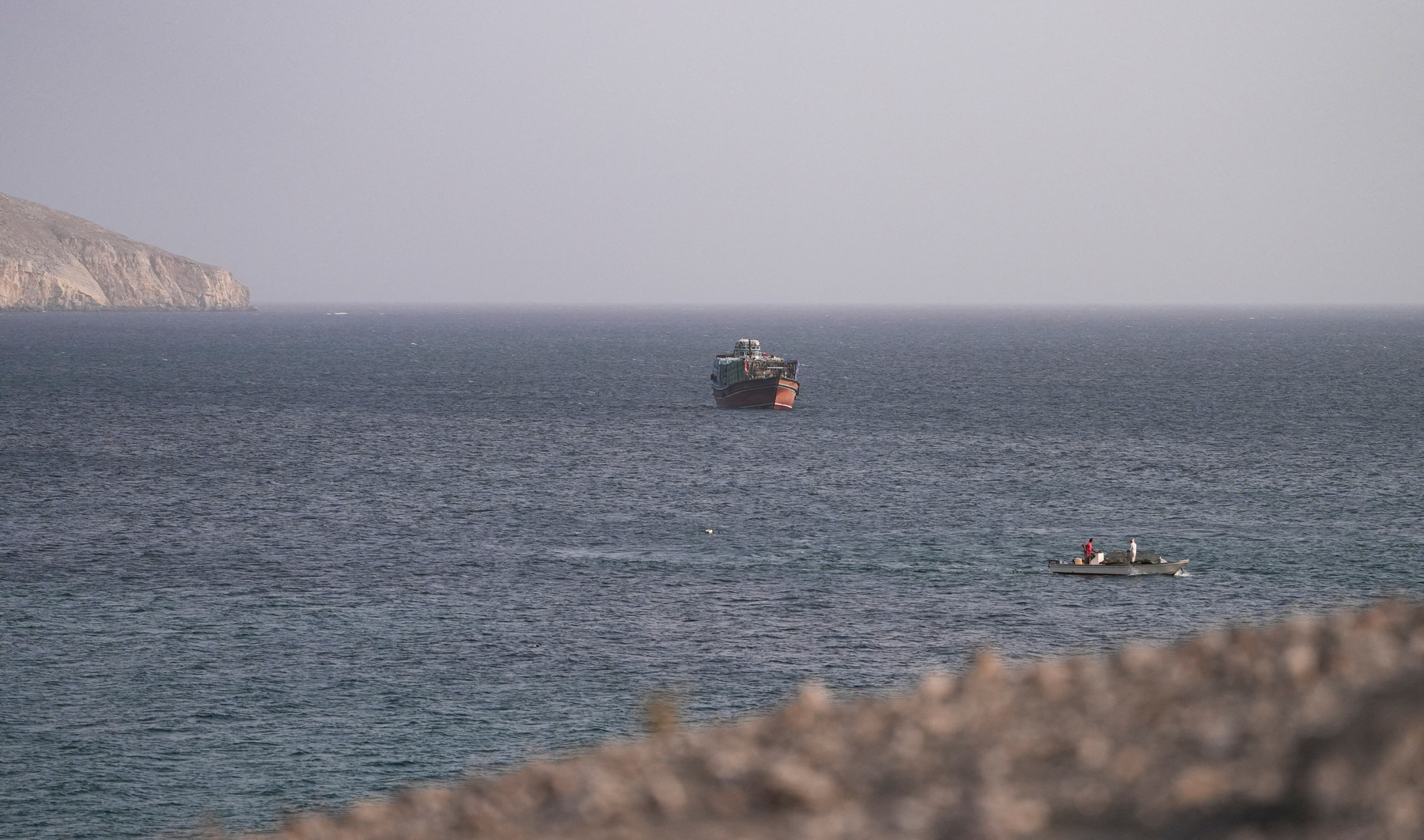
The 'robber barons' of Hormuz: Strait becomes test case for global trade
Translated from German, summarized and contextualized by DistantNews.
At a glance
Analysis
Sources not specified
Context piece
- The Strait of Hormuz is a critical chokepoint for global trade, with one-fifth of maritime oil passing through it annually.
- Tensions between Iran and the U.S. have escalated, with Iran attempting to impose tolls and the U.S. responding with military action, disrupting shipping.
- The situation in Hormuz serves as a dangerous test case for global trade routes, with potential implications for other vital waterways like the Taiwan Strait.
The Strait of Hormuz has become a dangerous flashpoint, highlighting the escalating assertiveness of various powers as the United States scales back its role as a global arbiter. This critical waterway, through which a fifth of the world's maritime oil trade flows annually, is increasingly being held hostage by larger and smaller nations alike.
Recent escalations have seen Iran's authorities claim the strait is closed, while U.S. President Donald Trump asserts it remains passable. Real-time data indicates that while some tankers continue to navigate the strait, the perceived risk has deterred many shipping companies and crews. Iran's repeated targeting of vessels and subsequent U.S. retaliatory strikes have diminished hopes for a swift return to safe passage, spelling trouble for the global economy and sensitive energy markets.
The volatile situation has already sent oil prices soaring, fueling fears of a global inflationary wave. The article suggests a potential compromise: Iran's proposal to levy a toll for passage could bring market stability. However, it warns that conceding to Iran's demands in Hormuz would set a perilous precedent. Such a move could embolden other nations, potentially leading to similar assertiveness in other vital global trade routes, such as the Taiwan Strait.
The Taiwan Strait, through which 90% of the world's advanced semiconductors pass, is even more critical for global commerce. China's increasing claims over these waters, coupled with its control over a significant artery of the global AI boom, presents a substantial geopolitical risk. Allowing Iran to assert control in Hormuz could inadvertently encourage China to leverage its influence in the Taiwan Strait, further destabilizing global trade and technological supply chains. Maintaining open and secure passage through Hormuz is therefore presented not just as a regional security issue, but as a crucial test for the future of international trade and the established global order.
DistantNews Editorial
Originally published by Die Presse in German. Translated, summarized, and contextualized by our editorial team with added local perspective. Read our editorial standards.
More Stories

From Our Blog

What Gets Lost (and Found) When News Is Translated

The Critical Role of Diaspora Media in Global News

What Travellers Should Know About Countries with Restricted Press

A Digital Nomad's Guide to Following Local News

How the Same Story Looks Different in Different Countries
