

The US has failed to understand China
Summarized and contextualized by DistantNews.
At a glance
Analysis
Named sources
Context piece
- Western understanding of China's complexity and civilizational mindset is shallow, hindering effective engagement.
- The US faces multiple global challenges, including competition with China, Middle East conflicts, Russia, and its own fiscal issues.
- China's bureaucratic system, while not easily classifiable, achieves results at a speed and scale difficult for Western public services, though institutional reforms face local-government hurdles.
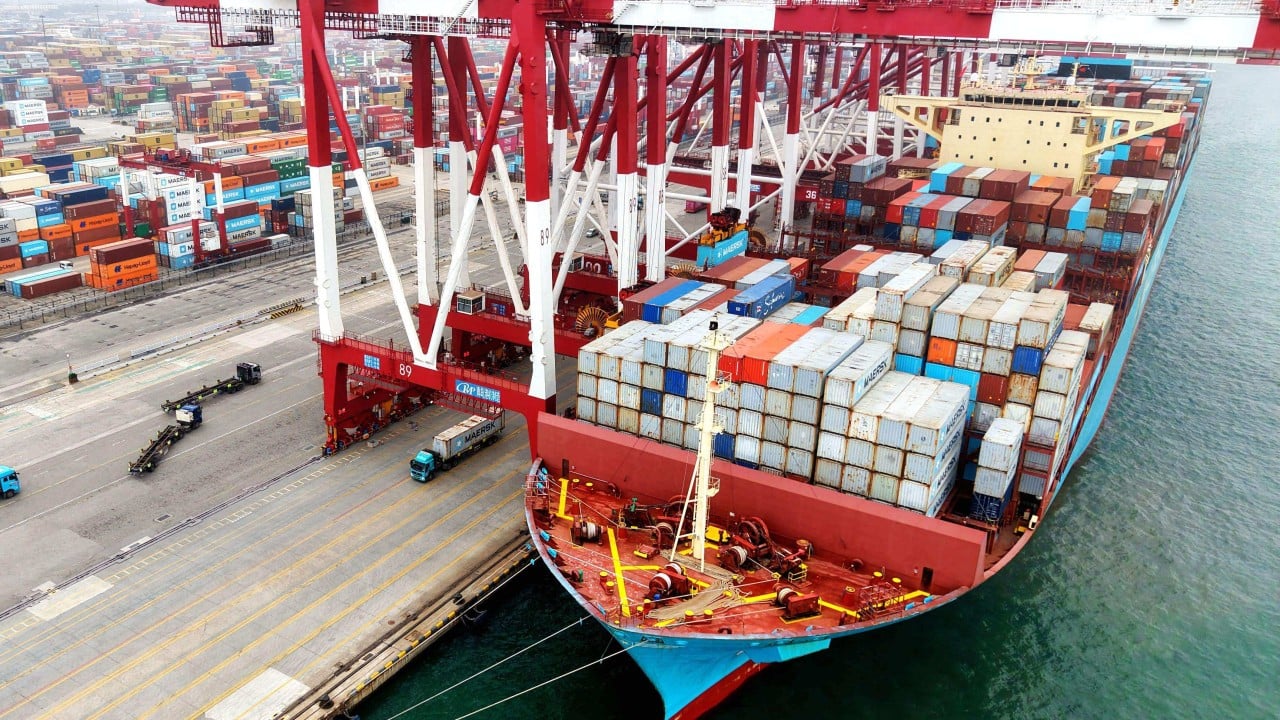
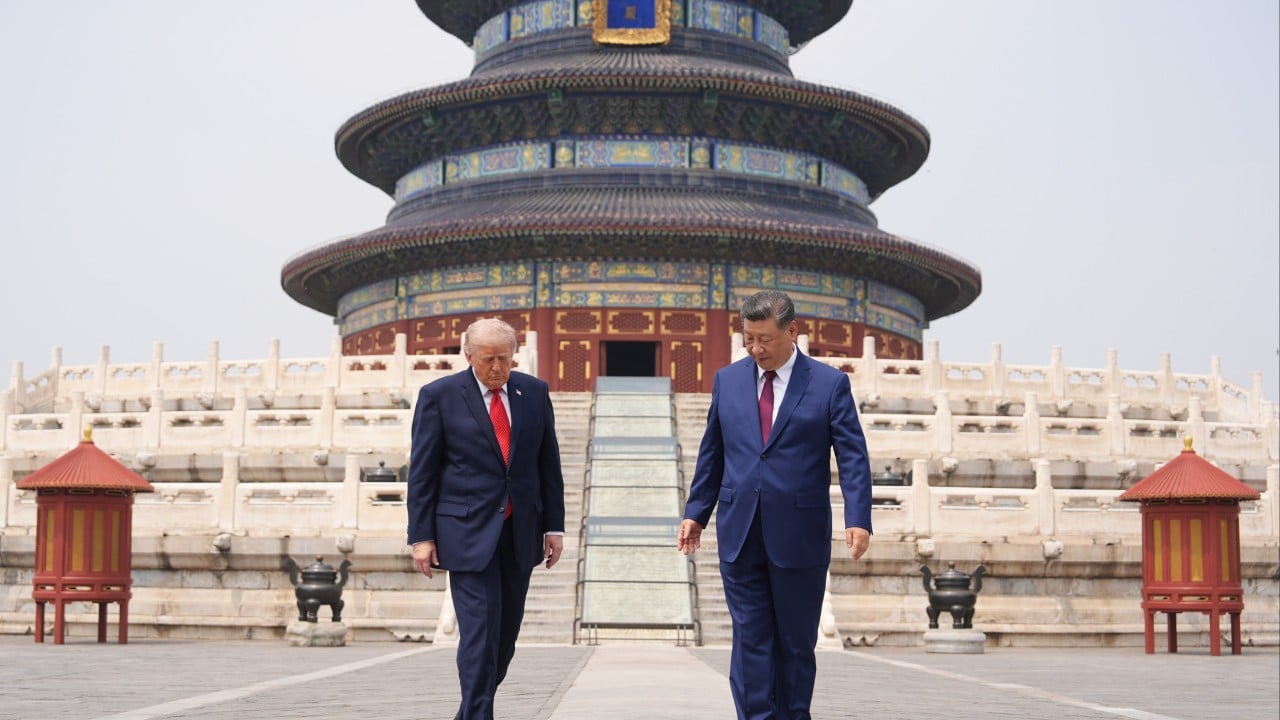
Andrew Sheng, a former central banker and financial regulator, argues that the United States fundamentally misunderstands China, a critical issue given China's significant role in the global economy and the ongoing contest for international primacy.
Sheng notes that some Westerners, particularly in the U.S., feel threatened by China's rise, leading to protectionism and talk of global fragmentation. He references Kishore Mahbubani's book "Has China Won?" which highlighted deep-seated misunderstandings and structural tensions between the two nations. The U.S. appears to be engaged on multiple fronts simultaneously, facing challenges from China, adversaries in the Middle East, Russia, and its own fiscal dilemma of funding its pursuit of hegemony with borrowed money. Financial Times columnist Martin Wolf is quoted as saying that "on the eve of its 250th birthday, America and the world order it created are in crisis."
A core issue, according to Sheng, is America's "tragically shallow understanding of China's complexity and its civilisational mindset." This mindset has been honed over millennia of dealing with severe internal and external crises. China possesses one of the world's oldest surviving bureaucracies, which Sheng cautions against oversimplifying as purely Stalinist or Leninist. His experience working with Chinese agencies reveals their capacity to achieve tasks at a speed and scale often inconceivable for Western public services.
However, Sheng also points out that China faces its own bureaucratic challenges. Certain institutional reforms, common in Western bureaucracies like centralized pension systems, encounter delays in China. These delays stem from the division of power between central and local governments and deeply ingrained fiscal traditions that complicate execution.
on the eve of its 250th birthday, America and the world order it created are in crisis
DistantNews Editorial
Originally published by South China Morning Post. Summarized and contextualized by our editorial team with added local perspective. Read our editorial standards.
More Stories
From Our Blog

Countries Without a Free Press: What You Need to Know

What Press Freedom Means for the News You Read

What Gets Lost (and Found) When News Is Translated

The Critical Role of Diaspora Media in Global News

What Travellers Should Know About Countries with Restricted Press
