

US lawmakers push for fewer tax breaks to reduce reliance on China technology
Summarized and contextualized by DistantNews.
At a glance
News
Named sources
Context piece
- US lawmakers are increasingly using tax policy to reduce corporate reliance on Chinese technology.
- Representative Nathaniel Moran described China as an "adversary" and the business relationship as "toxic."
- Lawmakers frame economic ties with China as a national security risk, urging a shift away from Beijing's technological influence.
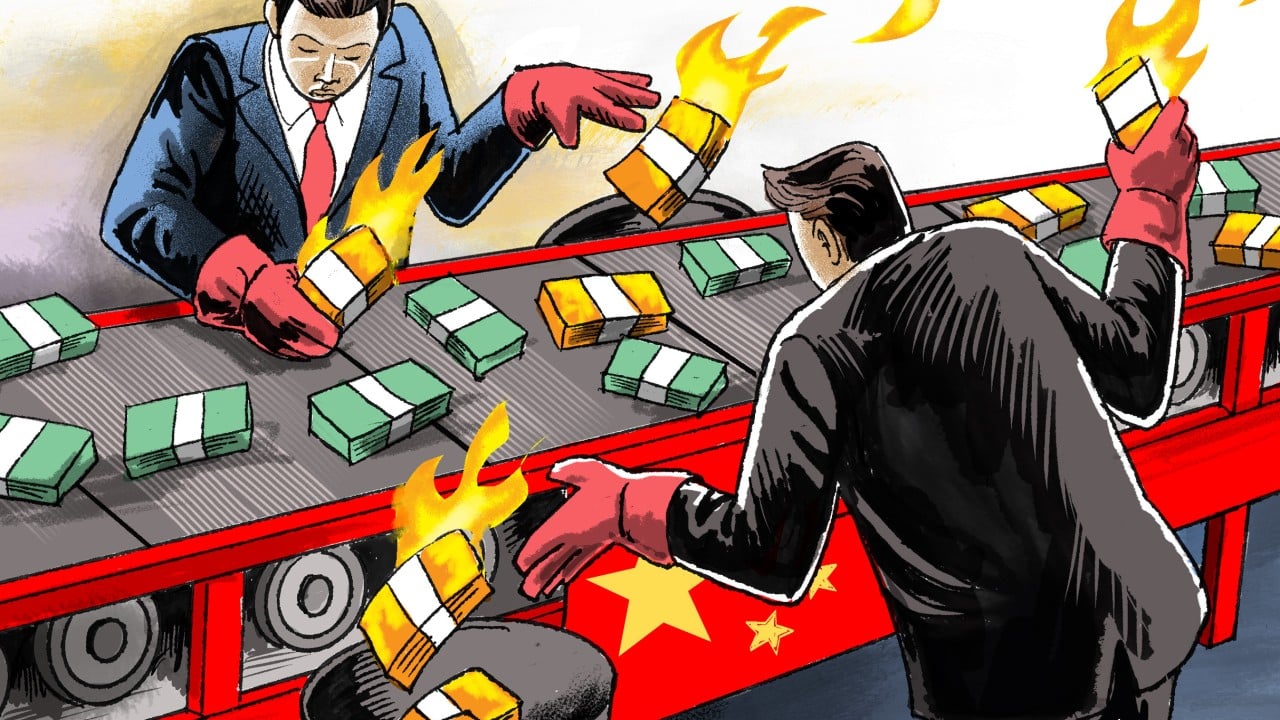
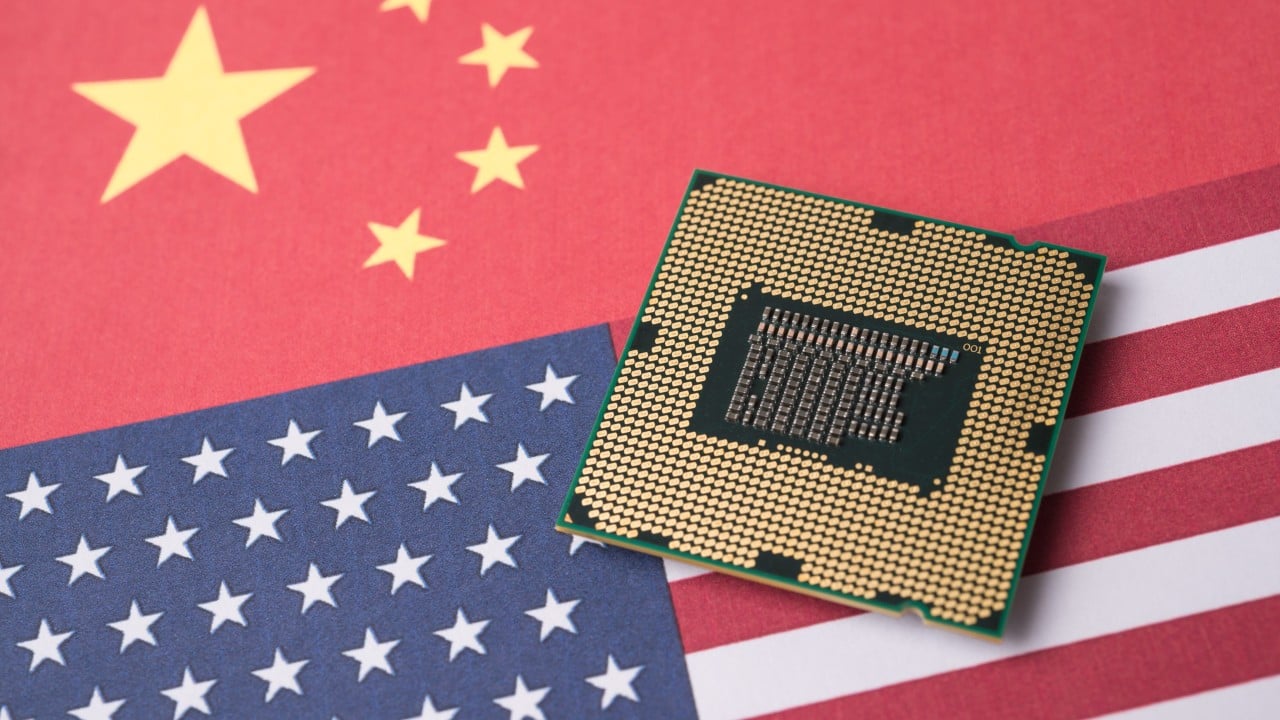
A growing number of U.S. lawmakers are leveraging tax policy to curb American businesses' dependence on Chinese technology. They view the economic relationship with Beijing through a national security lens, framing it as a significant risk.
Representative Nathaniel Moran articulated this stance forcefully on Thursday, labeling China an "adversary." He criticized the ongoing business ties as a "toxic relationship" that ensnares American corporations. Moran's comments, made at a Hudson Institute event, underscore a bipartisan push to re-evaluate and reshape economic engagement with China.
adversary
These lawmakers advocate for using the tax code as a strategic tool to incentivize companies to diversify their supply chains and technological partnerships away from China. The objective is to bolster American technological independence and mitigate perceived vulnerabilities associated with reliance on a geopolitical rival. The shift signals a hardening stance on economic interdependence with China, prioritizing national security concerns.
toxic relationship
DistantNews Editorial
Originally published by South China Morning Post. Summarized and contextualized by our editorial team with added local perspective. Read our editorial standards.
More Stories


From Our Blog

Countries Without a Free Press: What You Need to Know

What Press Freedom Means for the News You Read

What Gets Lost (and Found) When News Is Translated

The Critical Role of Diaspora Media in Global News

What Travellers Should Know About Countries with Restricted Press
