


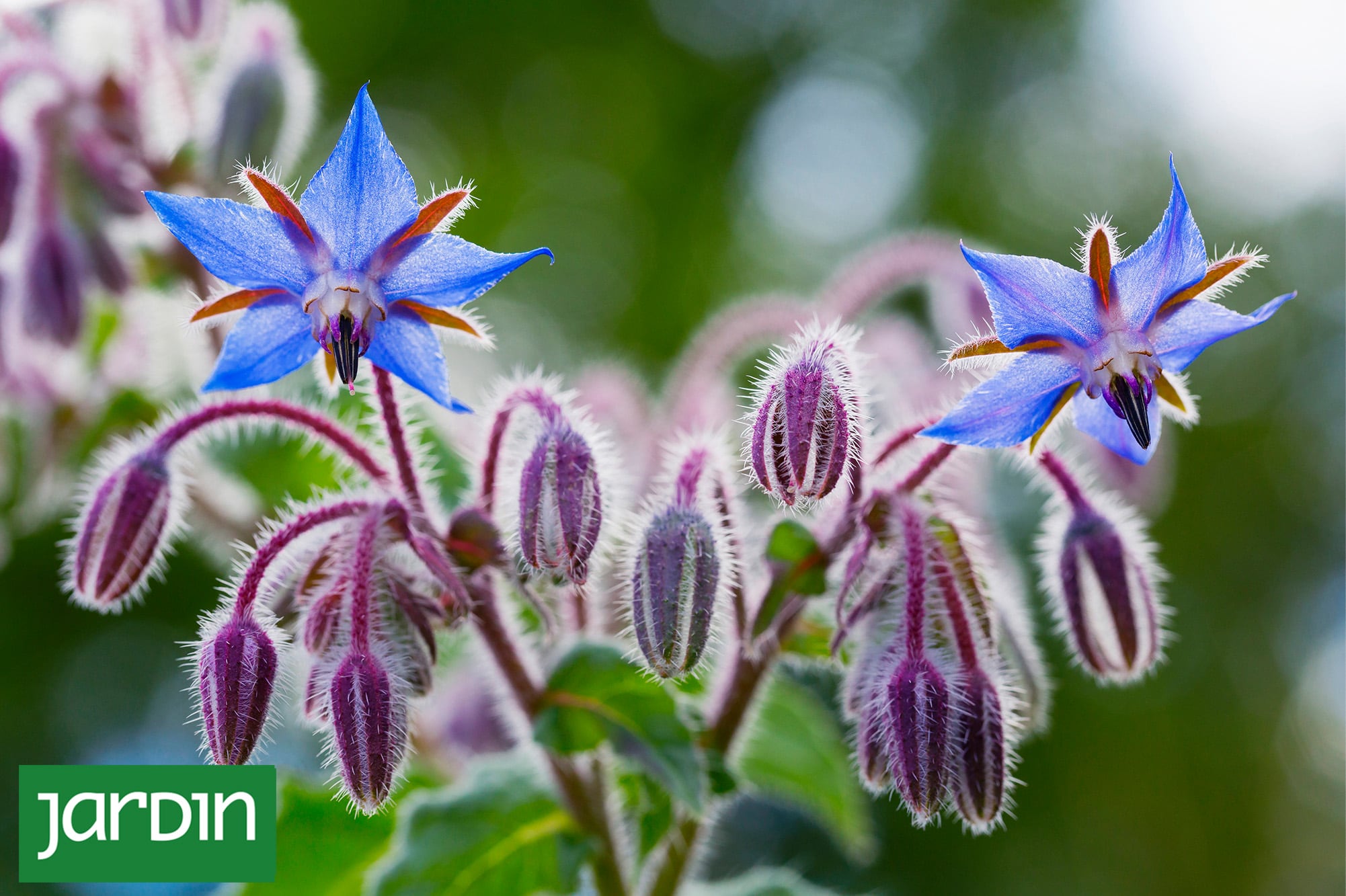
The Vegetable with More Iron Than Spinach and an Unbelievably Blue Flower
Translated from Spanish, summarized and contextualized by DistantNews.
TLDR
- Borage, a plant native to the eastern Mediterranean and North Africa, is regaining popularity for its nutritional benefits and ease of cultivation.
- Historically consumed by Romans and Arabs, borage is valued for its significant iron content, along with other minerals and antioxidants.
- In Argentina, borage was introduced by Spanish and Italian immigrants and is now appreciated for its culinary uses, vibrant blue flowers that attract pollinators, and its resilience in various garden conditions.
In an era where we increasingly seek out nutritious foods and sustainable cultivation methods, the humble borage plant (Borago officinalis) is making a remarkable comeback. Once a staple in family gardens, its decline was followed by a resurgence, driven by its impressive nutritional profile and ease of growth.
Borage is native to the eastern Mediterranean and North Africa. It was a plant highly valued by the Romans and Arabs, who consumed it cooked in various preparations.
Gabriela Escrivá, an organic gardening specialist, notes that borage, originating from the eastern Mediterranean and North Africa, was highly regarded by the Romans and Arabs for its culinary uses. Its leaves and tender stems, when cooked, have been a part of popular cuisine for centuries. Nutritionally, borage stands out for its rich source of plant-based iron, essential minerals, and antioxidants, making it a valuable addition to a healthy diet.
In nutritional terms, borage stands out for its contribution of vegetable iron, as well as minerals and antioxidant compounds. Its leaves and tender stems — always well-cooked — have been part of popular cuisine for centuries.
Spain served as the primary gateway for borage into Europe, where it became a common sight in gardens, particularly in humid areas. Aragón remains a significant region for its production and consumption. In Argentina, the plant arrived with immigrants from Spain and Italy, who were already familiar with its cultivation. It thrives in temperate climates and adapts well to various soil and humidity levels. Beyond its nutritional and culinary merits, borage is a boon to biodiversity; its intense blue flowers attract vital pollinators like bees and bumblebees, enhancing the productivity of nearby fruit trees and vegetables. Its hardiness means that, with proper care, it resists pests and diseases, and if allowed to seed, it can reappear season after season, embodying a truly resilient and beneficial garden ally.
Spain was the main point of entry into Europe, and from there it began to be cultivated in gardens and associated with humid areas. Aragón was, and still is, the community with the highest production and consumption of borage.
DistantNews Editorial
Originally published by La Nación in Spanish. Translated, summarized, and contextualized by our editorial team with added local perspective. Read our editorial standards.
More Stories



From Our Blog

What Gets Lost (and Found) When News Is Translated

The Critical Role of Diaspora Media in Global News

What Travellers Should Know About Countries with Restricted Press

A Digital Nomad's Guide to Following Local News

How the Same Story Looks Different in Different Countries
