


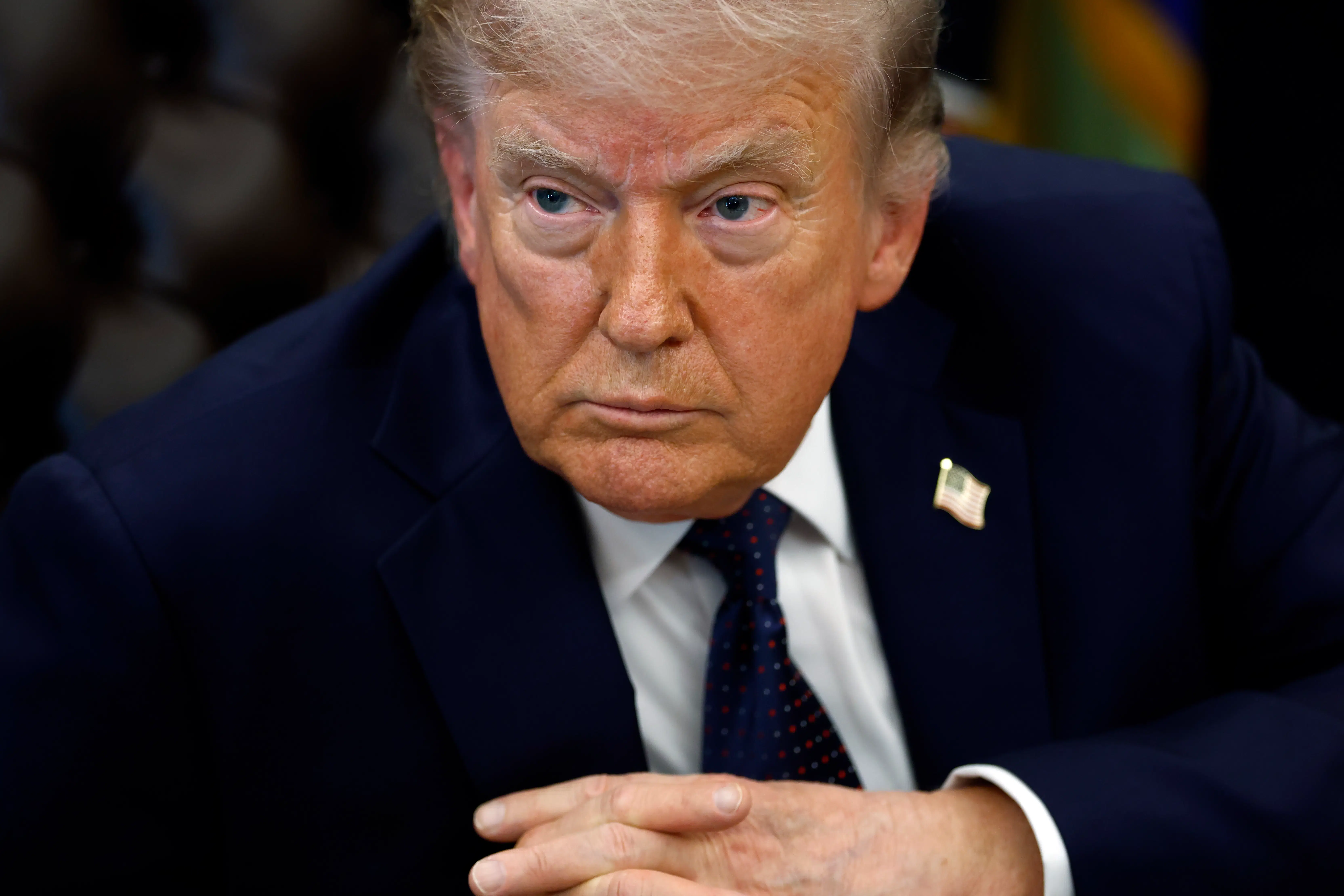
The war in Iran is two months old - evidence suggests the US is not on target
Translated from Danish, summarized and contextualized by DistantNews.
TLDR
- The war between the US, Israel, and Iran has lasted two months with no clear winner, despite a fragile, indefinitely extended ceasefire.
- The conflict, which began Feb. 28 with the killing of Iran's Ayatollah Ali Khamenei, has disrupted global economies and energy supplies through the blockade of the Strait of Hormuz.
- Despite US and Israeli attacks and diplomatic efforts, the war's objectives remain unclear, and the outcome is highly uncertain, with numerous losers identified.
Berlingske's analysis of the ongoing conflict involving the US, Israel, and Iran presents a sobering assessment from a Danish and European viewpoint. The article, titled 'The war in Iran is two months old - evidence suggests the US is not on target,' critically examines the lack of clear objectives and outcomes, two months after the conflict's inception. The narrative questions the efficacy of the military actions taken by the US and Israel, particularly the extensive bombing campaigns and the blockade of the Strait of Hormuz, which have had significant global economic and energy repercussions.
The war in Iran has lasted two months - and no one has won
From a Danish perspective, the prolonged and indecisive nature of this war is a cause for concern, highlighting the instability it injects into global affairs. The article points out that while the US and Israel initiated the conflict, their goals appear unmet, leading to a fragile ceasefire rather than a decisive victory. This situation underscores the complexities of geopolitical interventions and the difficulty in achieving clear-cut results, a theme often discussed in European foreign policy circles.
It is impossible to identify a winner of the war at this point.
The piece also touches upon the broader implications, noting that while the war's primary belligerents may be the focus, numerous other nations and economies are suffering as 'losers.' This reflects a European emphasis on multilateralism and the interconnectedness of global security and economy. The uncertainty surrounding the future, despite the extended ceasefire, is a key takeaway, suggesting that the conflict's resolution is far from assured and that the path forward remains fraught with peril. Berlingske's reporting emphasizes the need for clarity on objectives and a realistic appraisal of outcomes, a perspective often contrasted with more assertive, less questioning approaches seen elsewhere.
But for now, there is only a fragile ceasefire. But what happens next is highly uncertain.
DistantNews Editorial
Originally published by Berlingske in Danish. Translated, summarized, and contextualized by our editorial team with added local perspective. Read our editorial standards.
More Stories

From Our Blog

What Gets Lost (and Found) When News Is Translated

The Critical Role of Diaspora Media in Global News

What Travellers Should Know About Countries with Restricted Press

A Digital Nomad's Guide to Following Local News

How the Same Story Looks Different in Different Countries
