

The world adrift
Summarized and contextualized by DistantNews.
At a glance
Analysis
Sources not specified
Context piece
- The world faces significant geopolitical upheaval and instability, marking a departure from the post-Cold War order.
- Rising geopolitical tensions and geoeconomic competition are fragmenting the international system, with a disregard for international law.
- Scholarly works analyze the current global disarray and the potential emergence of a multipolar era, with the Global South expected to play a key role.
The world is navigating a period of profound geopolitical upheaval and instability, unlike any seen since the end of the Cold War. Rising tensions and fierce geoeconomic competition are dismantling the old international order, characterized by rules and multilateralism. The system is fragmenting, leaving nations to contend with a "rule-less terrain" amid volatility.
The old order with its rules has gone. The international system is fragmenting. Multilateralism remains under unprecedented stress. Power shifts continue to reshape the international landscape, marking the advent of a multipolar era.
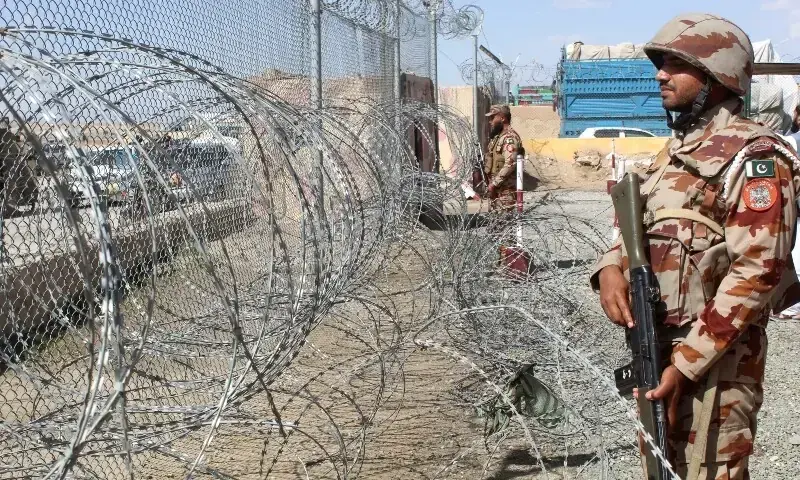
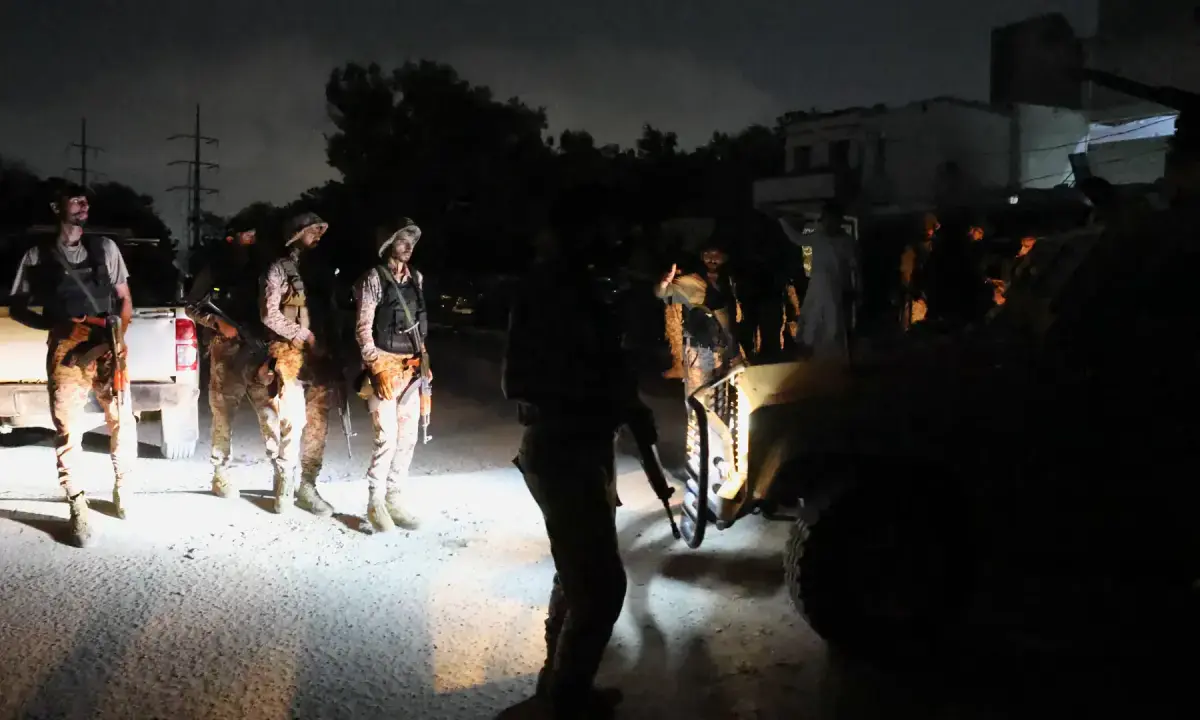
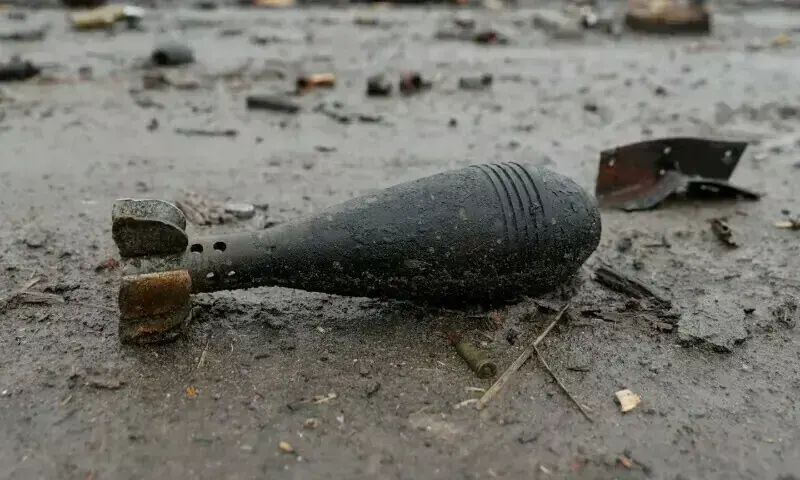
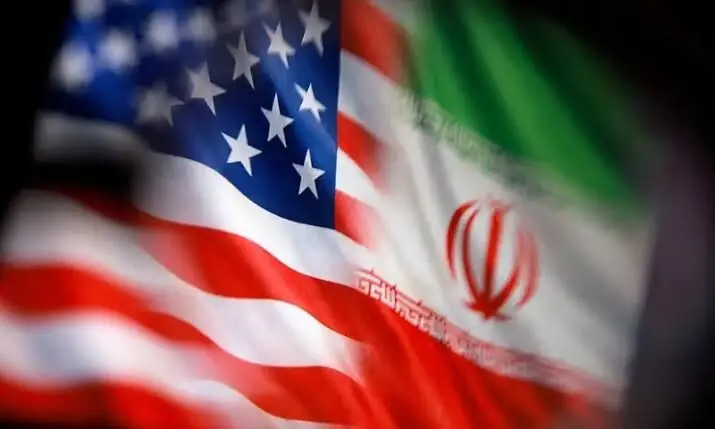
Hard power has re-emerged as a primary tool for powerful nations seeking to influence others, often preceding diplomatic efforts. Recent military actions by the US and Israel against Iran, Russia's invasion of Ukraine, Israel's war on Gaza, Lebanon, and Syria, and India's actions against Pakistan are cited as examples of force being used with impunity, further eroding the global order.
Several recent books explore this era of transition and disarray. Alexander Stubb's "The Triangle of Power: Rebalancing the New World Order" argues that the liberal world order has collapsed and trust is broken. He posits that the future will be shaped by the interplay between the Global West, Global East, and the Global South, with the latter seeking greater representation and power redistribution.
Hard power is back, and with a vengeance. Not that it ever went away. But now it’s the first option, not the last for powerful countries to use to bend other states to their will. Diplomacy only happens after missiles fly.
Stubb advocates for "cooperative multilateralism" and a "Helsinki" approach over "Yalta," suggesting that powerful states must accommodate the interests of the Global South and middle powers. Brendan Simms's "The Return of the Great Powers" focuses on the resurgence of traditional geopolitics and great power competition, while Jack Watling's "Statecraft: The New Rules of Power in a Divided World" examines contemporary power dynamics.
The liberal world order is in tatters, he argues, and trust that has been the basis of the international system, is broken. What happens next will depend on the interplay between the triangle of the Global West (US and Western allies), Global East (Russia, China) and Global South (the global majority).
These analyses collectively paint a picture of a chaotic future, where the Global South is poised to play a significant role in rebalancing and shaping a new international order. The emphasis is on navigating a divided world and finding new frameworks for international cooperation in the absence of established norms.
He calls for cooperative multilateralism and choosing ‘Helsinki’ over ‘Yalta’. This means accommodating the views and interests of the Global South and economically empowered middle powers by more powerful states.
DistantNews Editorial
Originally published by Dawn. Summarized and contextualized by our editorial team with added local perspective. Read our editorial standards.
More Stories
From Our Blog

What Gets Lost (and Found) When News Is Translated

The Critical Role of Diaspora Media in Global News

What Travellers Should Know About Countries with Restricted Press

A Digital Nomad's Guide to Following Local News

How the Same Story Looks Different in Different Countries
