


The World Cannot Let the US Bully Iran
Translated from Malay, summarized and contextualized by DistantNews.
TLDR
- The ongoing conflict between the United States and Iran, while not a direct conventional war, manifests through economic sanctions, military threats, and proxy conflicts.
- The article references Sun Tzu's strategic principle of preparing for victory against an unprepared enemy.
- The current geopolitical climate involves extended ceasefires and a complex web of regional tensions.
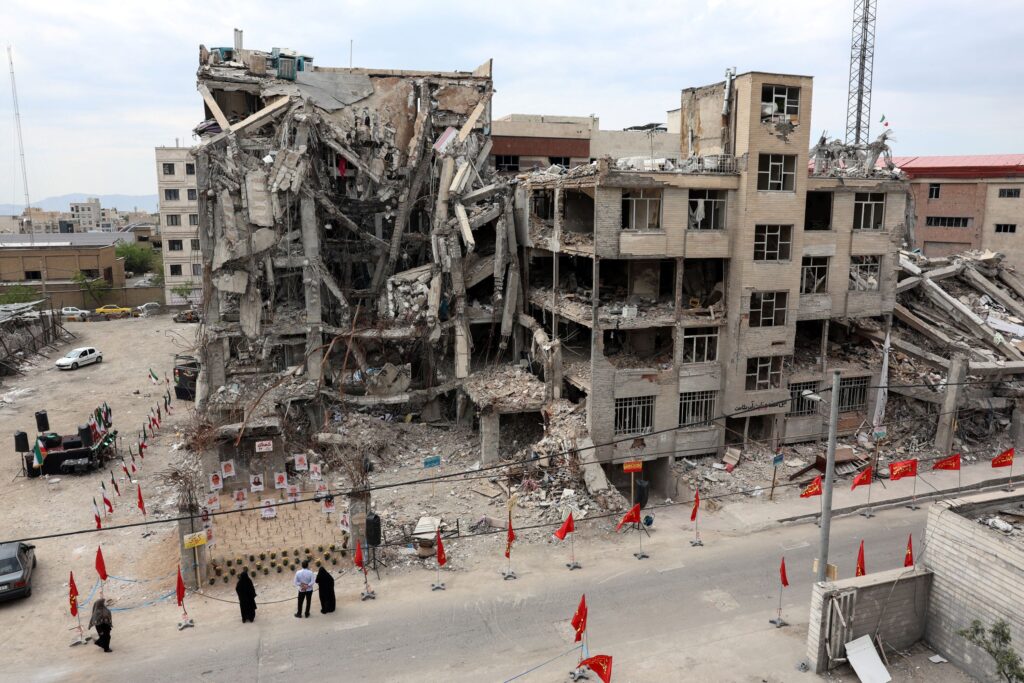
The persistent friction between the United States and Iran, a dynamic that has defined regional politics for decades, continues to be a critical focal point. While a full-scale conventional war between the two has been averted, their adversarial relationship is vividly expressed through a multifaceted strategy encompassing severe economic sanctions, overt military posturing, targeted strikes, and the cultivation of proxy forces across the Middle East. This ongoing struggle, though lacking direct battlefield engagement between the primary adversaries, carries profound implications for regional stability and global security.
As the ancient strategist Sun Tzu wisely observed, 'Victory belongs to those who prepare themselves, waiting to take victory from the enemy who is unprepared.' This aphorism aptly captures the essence of the US-Iran standoff. Neither side appears willing to risk a direct, all-out confrontation, instead opting for a protracted contest of wills, economic pressure, and strategic maneuvering. The current phase, marked by extended ceasefires, suggests a tense equilibrium, but the underlying animosity and the potential for escalation remain palpable.
From our vantage point, the international narrative often simplifies this complex relationship, focusing on headline-grabbing incidents rather than the intricate, long-term strategic calculus at play. What is often missed is the deep-seated historical context and the intricate network of alliances and rivalries that shape the current landscape. The reliance on economic warfare and proxy engagement is not merely a tactical choice but a reflection of a broader strategic doctrine aimed at achieving objectives without incurring the full cost of direct conflict. Understanding this nuanced approach is crucial to grasping the true nature of the US-Iran rivalry and its enduring impact on the Middle East.
DistantNews Editorial
Originally published by Utusan Malaysia in Malay. Translated, summarized, and contextualized by our editorial team with added local perspective. Read our editorial standards.
More Stories

From Our Blog

What Gets Lost (and Found) When News Is Translated

The Critical Role of Diaspora Media in Global News

What Travellers Should Know About Countries with Restricted Press

A Digital Nomad's Guide to Following Local News

How the Same Story Looks Different in Different Countries
