


The world that made Confucius – and the China he made
Summarized and contextualized by DistantNews.
At a glance
Analysis
Sources not specified
Context piece
- The article contrasts the philosophies of Karl Marx and G.W.F. Hegel with Confucius's approach to interpreting and changing the world.
- Marx's theses on interpreting the world versus changing it are presented as a refutation of Hegel's idea that understanding comes too late.
- Confucius is highlighted for charting a different path, with his teachings eventually becoming the state ideology of dynastic China.
The article delves into philosophical interpretations of how to engage with the world, contrasting the revolutionary spirit of Karl Marx with the more retrospective view of G.W.F. Hegel. It opens by referencing Marx's 11th thesis on Feuerbach, "Philosophers have only interpreted the world, in various ways; the point, however, is to change it." This statement is presented as a direct challenge to Hegel's notion that understanding often arrives too late, as expressed in his "Philosophy of Right."
Hegel's concept, often translated as "The owl of Minerva takes flight only when darkness falls," suggests that wisdom and comprehension only emerge as a situation ages, implying philosophy's role is primarily to understand the past rather than shape the future. Marx and the Left Hegelians, in contrast, are characterized as revolutionaries focused on the future, while Hegel and his followers on the right were seen as conservatives defending the existing order. This schism, fueled by the French Revolution, is credited with shaping the modern political divide between radicalism and conservatism.
Philosophers have only interpreted the world, in various ways; the point, however, is to change it.
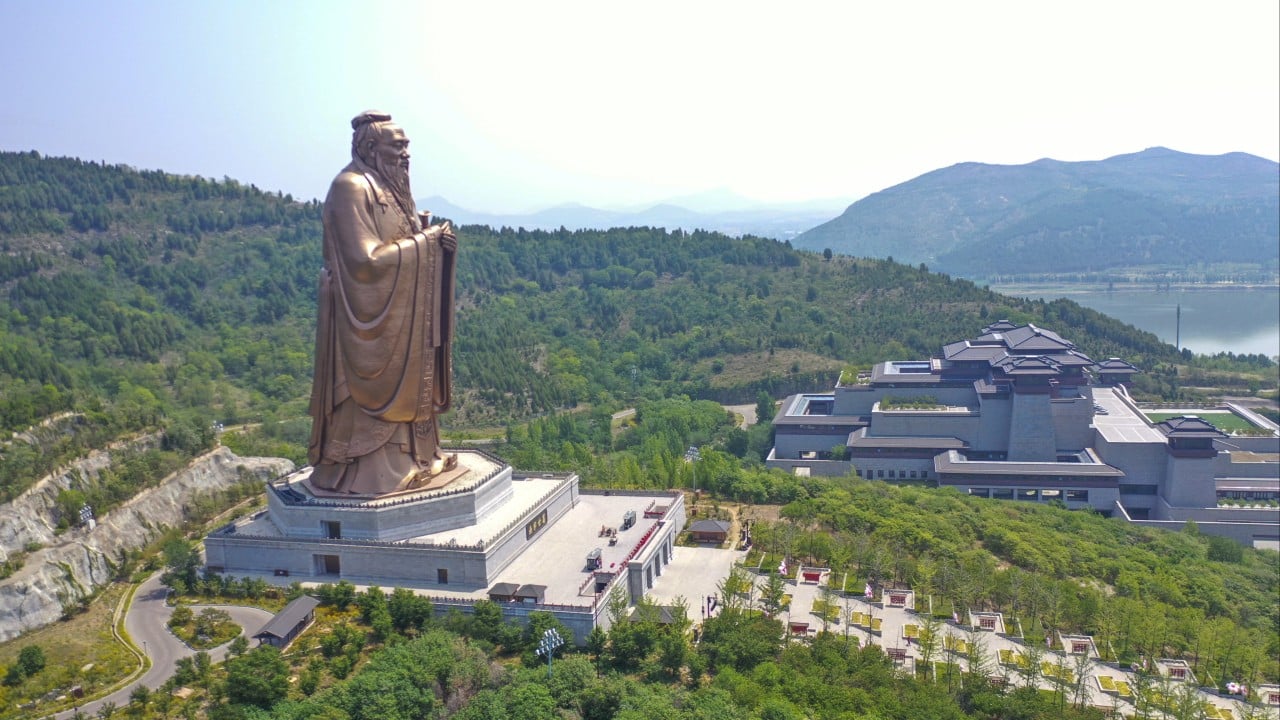
However, the piece pivots to Confucius, who, two millennia earlier, charted a distinct course. Unlike many contemporaries whose philosophies faded, Confucius's teachings endured and eventually became the state ideology of dynastic China, beginning with the Han dynasty. This enduring influence shaped the future of Chinese civilization, offering a different model of philosophical impact compared to the Western dialectic of interpretation versus action.
When philosophy paints its grey on grey, then has a form of life grown old, and with grey on grey it cannot be rejuvenated, but only known; the Owl of Minerva first takes flight with twilight closing in.
DistantNews Editorial
Originally published by South China Morning Post. Summarized and contextualized by our editorial team with added local perspective. Read our editorial standards.
More Stories



From Our Blog

Countries Without a Free Press: What You Need to Know

What Press Freedom Means for the News You Read

What Gets Lost (and Found) When News Is Translated

The Critical Role of Diaspora Media in Global News

What Travellers Should Know About Countries with Restricted Press
