

Third New City Housing Projects Face Major Delays, First Move-ins Uncertain Past 2030
Translated from Korean, summarized and contextualized by DistantNews.
At a glance
News
Sources not specified
Context piece
- South Korea's third new city housing projects, announced eight years ago, are significantly delayed, with the first move-ins now uncertain for 2030.
- The delays mean the new housing supply, intended to stabilize Seoul's overheated housing market, has failed to act as a cooling agent.
- Critics argue that the government cannot simply blame external factors for the doubling of project timelines, as housing administration relies on trust.
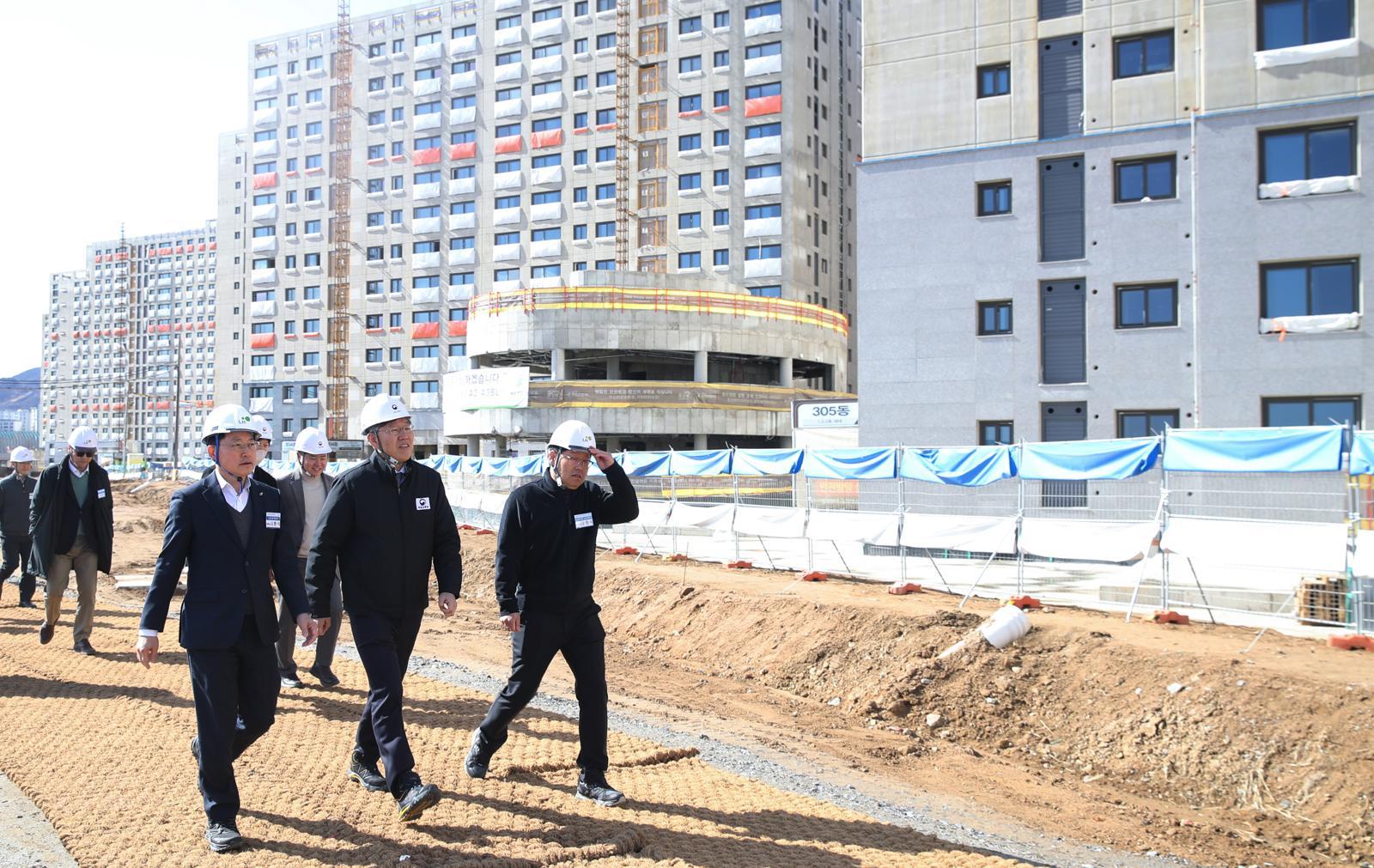
Eight years after their announcement, South Korea's "third new city" housing projects are facing significant delays, raising concerns about the government's ability to deliver on its promises. The first move-ins for the initial phase of these developments, intended to ease housing pressure in Seoul, are now uncertain even for 2030.
The land compensation procedures have only just begun, five years after the area was added to the third new city plans.
The situation is particularly stark for the Gwangmyeong-Siheung district, which accounts for 20% of the total planned supply. Land compensation procedures have only just begun, five years after the area was added to the third new city plans. The original schedule projected first home applications in 2025 and move-ins in 2027, but these dates have slipped considerably.
The first move-ins for the initial phase of these developments, intended to ease housing pressure in Seoul, are now uncertain even for 2030.
Other planned new cities, such as Uiwang-Gunpo-Ansan and Hwaseong Jinan, announced in the same year, are progressing even slower. The five areas announced earlier, in 2018 and 2019, are also mired in delays. The fastest project, in Incheon Gyeyang, will see its first residents move in by the end of this year, but this only involves about 1,300 units, eight years after the district was designated.
These delays mean the new housing supply, crucial for stabilizing Seoul's overheated market, has failed to perform its intended function.
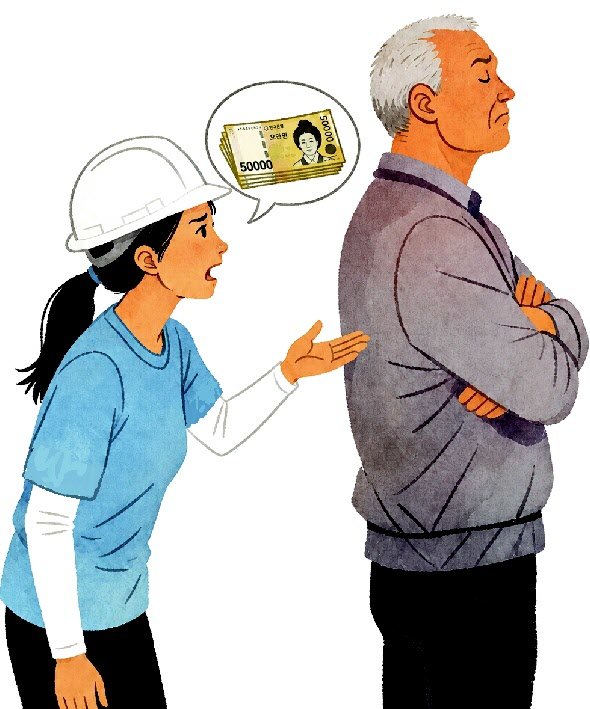
These delays mean the new housing supply, crucial for stabilizing Seoul's overheated market, has failed to perform its intended function. Critics point out that even a fraction of this supply, delivered on time, could have helped temper the soaring housing prices, which have seen a 76-week continuous rise. The government's housing administration relies on trust, and such significant project extensions, nearly doubling the original timelines, cannot be dismissed with mere excuses about external factors like land compensation disputes, pandemic-related restrictions, or rising construction costs.
The government's housing administration relies on trust, and such significant project extensions, nearly doubling the original timelines, cannot be dismissed with mere excuses about external factors.
DistantNews Editorial
Originally published by Dong-A Ilbo in Korean. Translated, summarized, and contextualized by our editorial team with added local perspective. Read our editorial standards.
More Stories
From Our Blog

What Gets Lost (and Found) When News Is Translated

The Critical Role of Diaspora Media in Global News

What Travellers Should Know About Countries with Restricted Press

A Digital Nomad's Guide to Following Local News

How the Same Story Looks Different in Different Countries
