


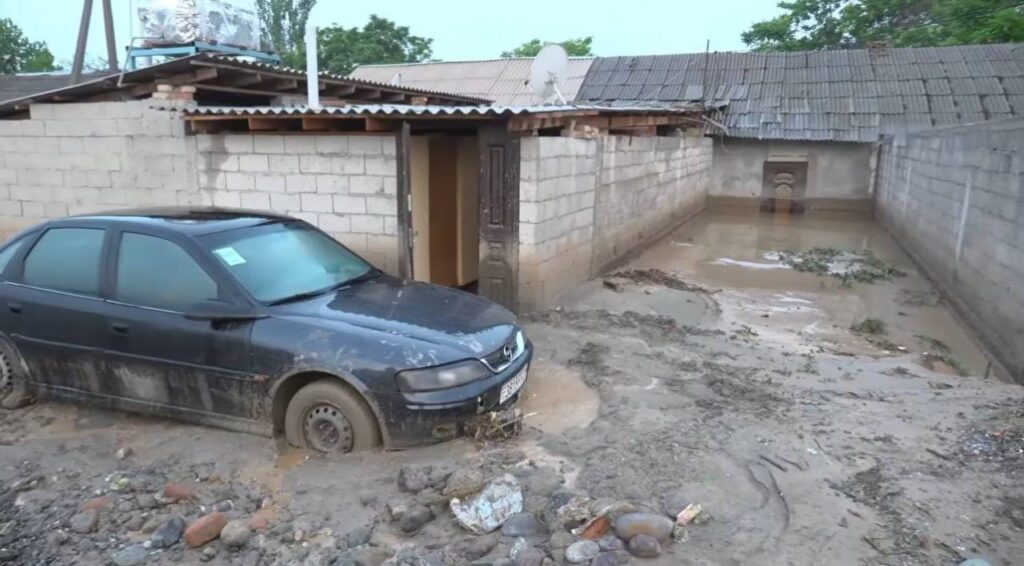
Three dead in Kulob following floods and landslides
Translated from English, summarized and contextualized by DistantNews.
TLDR
- Floods and landslides in Kulob, Tajikistan, on May 1 resulted in three deaths and two injuries.
- The disaster damaged residential homes and various social and urban facilities, with the full extent of the damage still under assessment.
- Authorities held an emergency meeting to coordinate rescue operations, infrastructure restoration, and victim assistance, following earlier warnings of heavy rains.
A devastating natural disaster struck Kulob, Tajikistan, on the night of May 1, as heavy rains triggered severe floods and landslides. The torrents claimed the lives of three residents and left two others injured, requiring hospitalization. The onslaught also inflicted significant damage upon numerous homes, as well as vital social and urban infrastructure, the full scale of which is still being tallied by authorities.
In response to the crisis, an emergency meeting of the regional disaster response headquarters was convened, led by the Governor of Khatlon province, Davlatali Said. This high-level gathering underscored the gravity of the situation, with directives issued for immediate rescue efforts, the swift restoration of damaged infrastructure, and comprehensive support for those affected by the disaster. The proactive measures aim to mitigate further suffering and begin the arduous process of recovery.
This event follows earlier meteorological warnings predicting heavy rainfall and potential flooding across Tajikistan until May 4. The confluence of adverse weather and the region's vulnerability to such events highlights the ongoing challenges faced by Tajikistan in managing the impacts of climate change and natural disasters. The images circulating on social media, showing mudflows engulfing roads and homes, serve as a stark visual testament to the destructive power unleashed.
From a Tajik perspective, such events are a grim reminder of our vulnerability to nature's forces. While international coverage might focus on the immediate casualties and damage, for us, it's also about the long-term implications for communities, the strain on national resources for recovery, and the need for more robust disaster preparedness. The government's swift response, though, demonstrates a commitment to its citizens, prioritizing their safety and well-being in the face of adversity. This incident, sadly, is a stark reminder of the critical need for ongoing investment in infrastructure resilience and early warning systems.
DistantNews Editorial
Originally published by Asia-Plus in English. Translated, summarized, and contextualized by our editorial team with added local perspective. Read our editorial standards.
More Stories



From Our Blog

What Gets Lost (and Found) When News Is Translated

The Critical Role of Diaspora Media in Global News

What Travellers Should Know About Countries with Restricted Press

A Digital Nomad's Guide to Following Local News

How the Same Story Looks Different in Different Countries
