

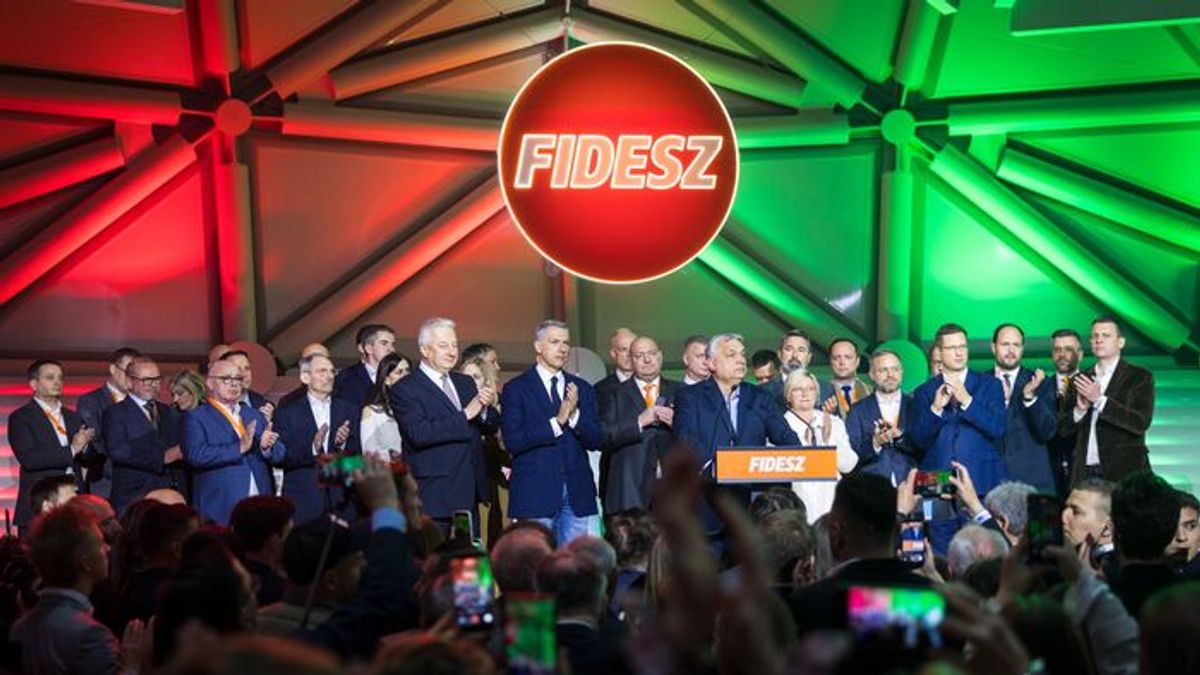
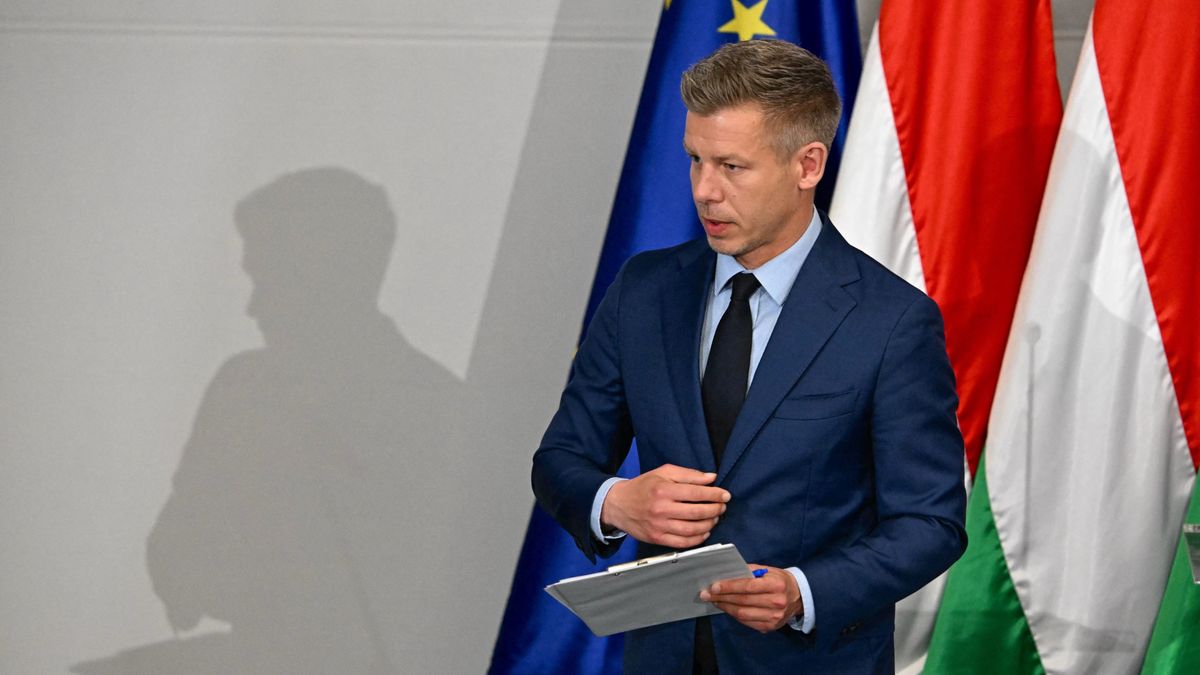
Tisza Party Defends Representatives' Lack of Public Appearances with Vague Excuses
Translated from Hungarian, summarized and contextualized by DistantNews.
TLDR
- The Tisza Party, led by Magyar Péter, is facing scrutiny over the lack of independent interviews and public appearances by its newly elected representatives.
- Critics have labeled the party's candidates as "soda can candidates," suggesting they are controlled by the central leadership.
- The party has also faced issues with media accreditation at press events and has yet to respond to inquiries about a newly announced LGBTQ+-oriented TV channel.
The Tisza Party, a relatively new political force in Hungary, is already encountering significant criticism regarding its internal operations and the public engagement of its elected officials. Despite founder Magyar Péter's initial emphasis on his candidates being independent and well-prepared individuals, recent experiences suggest a strong central control. The reluctance of these new representatives to give solo interviews or appear frequently in front of cameras has led to the unflattering moniker "soda can candidates," a term reportedly coined by Magyar Péter himself, implying they are mere figureheads.
This strategy appears designed to shield novice politicians, lacking prior political experience, from potentially uncomfortable situations and to ensure that the party leader's voice dominates all official communications. This centralized approach raises questions about the party's commitment to fostering genuine democratic participation and allowing diverse voices within its ranks to emerge. The lack of independent media engagement from these representatives is a stark contrast to the promises of fresh, independent politics that the Tisza Party initially projected.
Furthermore, the Tisza Party has been embroiled in disputes over media accreditation at its press events. Reports indicate that media crews, including those from Hír TV, have been denied access to press conferences, citing a lack of space. In other instances, volunteers have reportedly obstructed the work of camera crews at public events. Adding to the opacity, the party's press office has remained unresponsive to inquiries regarding the recently announced LGBTQ+-oriented Szivárvány TV. From a Hungarian perspective, these developments are concerning. The media's role in a democracy is crucial, and restricting access or creating barriers for journalists hinders transparency. The lack of independent voices within the party itself, coupled with these media access issues, fuels skepticism about the Tisza Party's true intentions and its adherence to democratic principles.
DistantNews Editorial
Originally published by Magyar Nemzet in Hungarian. Translated, summarized, and contextualized by our editorial team with added local perspective. Read our editorial standards.
More Stories
From Our Blog

Countries Without a Free Press: What You Need to Know

What Press Freedom Means for the News You Read

What Gets Lost (and Found) When News Is Translated

The Critical Role of Diaspora Media in Global News

What Travellers Should Know About Countries with Restricted Press
