

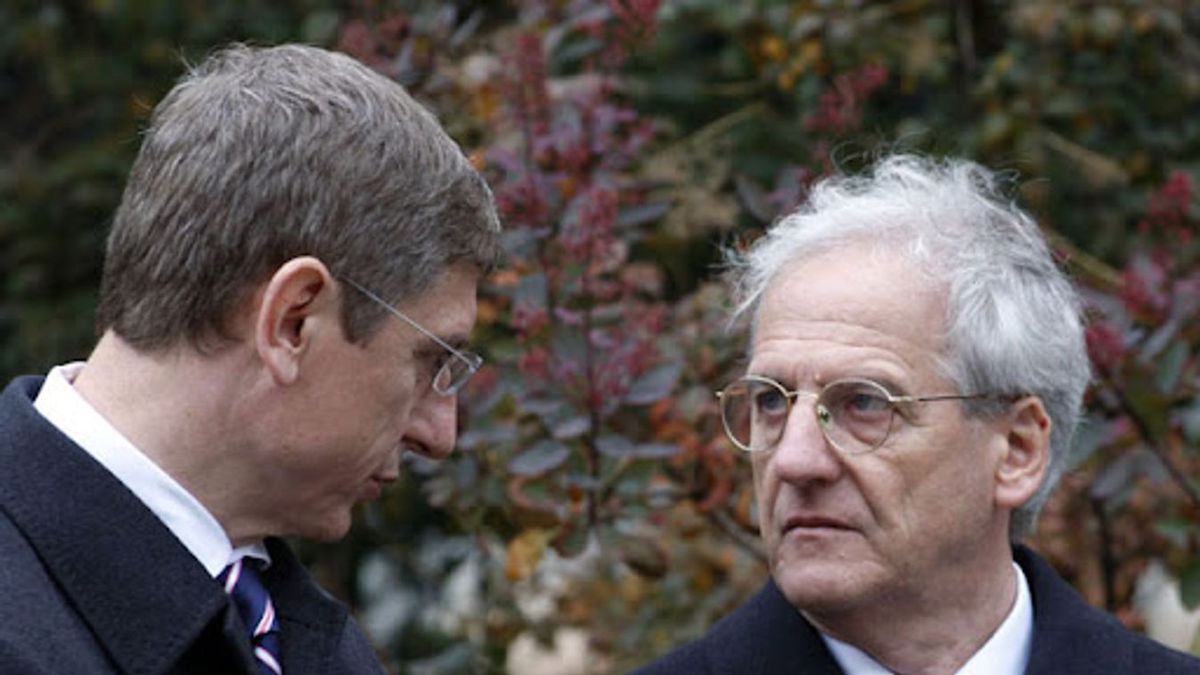
Tisza Party Faces Difficult Task with András Baka's Presidential Nomination
Translated from Hungarian, summarized and contextualized by DistantNews.
At a glance
Analysis
Named sources
Context piece
- Hungary's Tisza Party faces a complex challenge in the selection of András Baka as the new president, according to an analyst.
- Baka's past conflict with the Orbán government and his previous role as chief judge make him a politically useful figure for Tisza, but his selection has not garnered broad consensus.
- The analyst questions Baka's ability to unite the nation, given the contentious circumstances of his predecessor's removal and his own election process.
The selection of András Baka as Hungary's new president presents a complex political maneuver for the Tisza Party, according to Zila János, an analyst at the Center for Fundamental Rights. János suggests that Baka's personal history, particularly his past conflicts with the Orbán government during his tenure as chief judge, makes him a politically advantageous choice for Tisza.
János noted that despite promises of "Let's decide together," Tisza did not engage in substantial consultations regarding the presidential election. He also observed that Tisza seemed keen to downplay the significance of the election, especially as the ruling Fidesz party boycotted the vote, signaling their non-recognition of Tamás Sulyok's removal and the subsequent election.
Baka's past as president of the Supreme Court led to a conflict with the government, and he lost his position after the judicial system's restructuring in 2011. The Hungarian state later paid him compensation following a legal dispute. János views Baka's nomination as a "jab" at Fidesz, particularly since the ruling party had previously supported Baka's appointment as chief judge. However, János points out that Tisza simplifies this history, omitting the context that Baka's 2009 chief judge election was a politically necessary move for the governing parties at the time, stemming from then-President László Sólyom's nomination.
The most significant challenge, according to János, is Baka's ability to fulfill a key presidential function: expressing national unity. He argues that Baka faces an immediate hurdle due to the contentious removal of his predecessor and the lack of broad consensus surrounding his own election. This divisive process, which has caused ripples even within the ruling party, complicates the expectation that the president should transcend political divides and represent the entire nation.
DistantNews Editorial
Originally published by Magyar Nemzet in Hungarian. Translated, summarized, and contextualized by our editorial team with added local perspective. Read our editorial standards.
More Stories


From Our Blog

Countries Without a Free Press: What You Need to Know

What Press Freedom Means for the News You Read

What Gets Lost (and Found) When News Is Translated

The Critical Role of Diaspora Media in Global News

What Travellers Should Know About Countries with Restricted Press
