

Train hits person in Óbuda
Translated from Hungarian, summarized and contextualized by DistantNews.
TLDR
- A train struck and killed an individual at the Óbuda station in Budapest.
- The incident involved a train traveling towards Esztergom.
- There are no expected disruptions to other train services on the line.
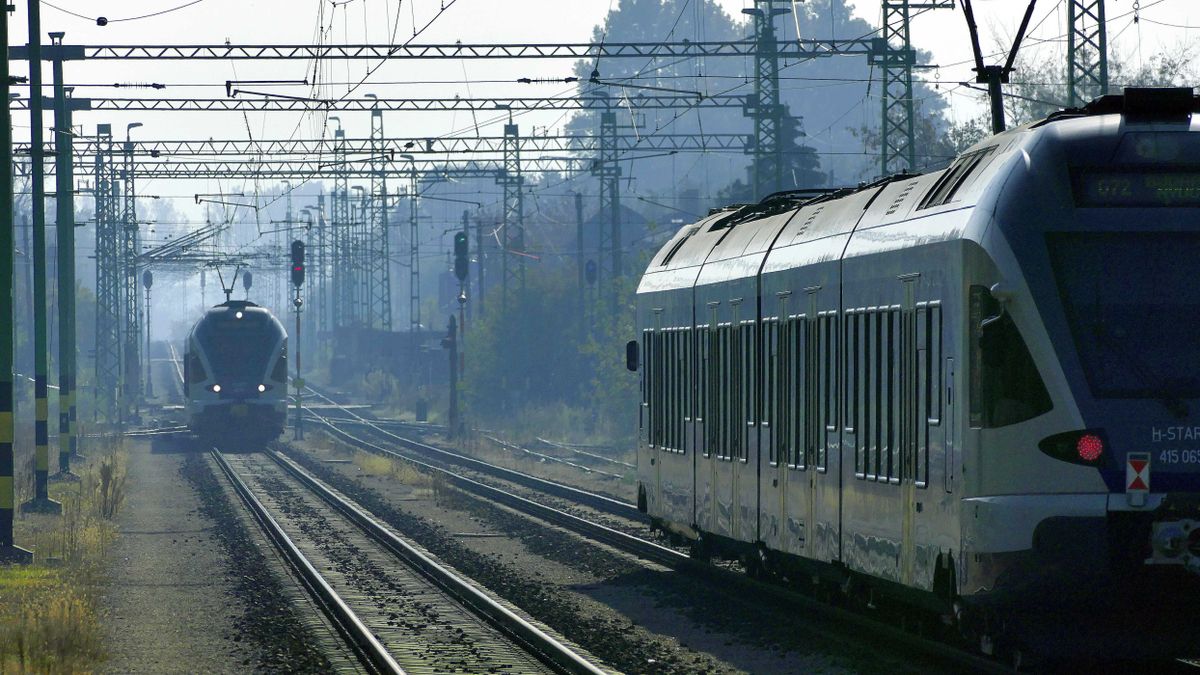
A somber incident occurred at Óbuda station in Budapest today, where a train en route to Esztergom struck and fatally injured a pedestrian. Magyar Nemzet, reporting on behalf of the national news agency MTI and MTVA, conveys this tragic news with the factual brevity characteristic of official Hungarian news dissemination. The focus remains on the immediate facts: the location, the direction of the train, and the unfortunate outcome.
The report emphasizes that the train involved in the accident has ceased its journey, but crucially, assures the public that other services on the line will not experience significant disruptions. This detail, while seemingly minor, reflects a practical concern for maintaining public transportation functionality amidst personal tragedy. It's a pragmatic approach often seen in reporting on such events, balancing the gravity of the loss with the operational realities of daily life.
From a Hungarian perspective, while the loss of life is always a cause for regret, the reporting style prioritizes clarity and avoids sensationalism. The inclusion of the date and time (May 9, 2026, 21:52) and the mention of illustrative photos by Jászai Csaba lend an air of official documentation to the report. The source attributions (MTI, MTVA) reinforce the credibility and official nature of the information being shared.
Unlike some international media that might delve into speculative causes or emotional narratives surrounding such accidents, the Hungarian reporting here remains grounded. It presents the event as a stark fact, a tragic occurrence on the railway line. The absence of further commentary or analysis underscores a journalistic approach that prioritizes reporting the event itself and its immediate operational impact, rather than constructing a broader narrative or assigning blame beyond the immediate circumstances.
DistantNews Editorial
Originally published by Magyar Nemzet in Hungarian. Translated, summarized, and contextualized by our editorial team with added local perspective. Read our editorial standards.
More Stories


From Our Blog

Countries Without a Free Press: What You Need to Know

What Press Freedom Means for the News You Read

What Gets Lost (and Found) When News Is Translated

The Critical Role of Diaspora Media in Global News

What Travellers Should Know About Countries with Restricted Press
