

Trapped Seafarers Face Trauma and Fear Amidst Iran War in Gulf
Translated from English, summarized and contextualized by DistantNews.
TLDR
- Seafarers in the Gulf are experiencing severe psychological distress due to the ongoing Iran war, having been trapped on vessels for over two months.
- Maritime charities report that sailors are traumatized by the conflict, fearing for their lives amidst drone and missile attacks.
- The blockade of the Strait of Hormuz has stranded approximately 20,000 seafarers, leading to hypervigilance, burnout, and anxiety, with families also suffering immense worry.
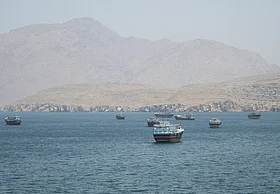
The ongoing conflict involving Iran has cast a dark shadow over the maritime community in the Gulf, leaving thousands of seafarers isolated and traumatized. For over two months, these essential workers, who keep global freight moving, have been stranded on their vessels, caught in the crossfire of what maritime charities are describing as the "Iran war." The psychological toll is immense, with reports of extreme fear and anxiety as drones and missiles become a terrifyingly common sight.
We hear stories of how frightened they are. It's pretty scary.
Charities like the Sailors' Society and the International Transport Workers' Federation (ITF) are on the front lines, hearing harrowing accounts from crews. Gavin Lim of the Sailors' Society shared that some sailors, whose vessels have been directly hit, believed they were going to die. The constant threat, coupled with the uncertainty of their situation, has led to a state of hypervigilance, burnout, and profound loneliness. The blockade of the vital Strait of Hormuz since February 28 has trapped an estimated 20,000 seafarers, turning their workplaces into potential war zones.
They thought: 'We were going to die'.
Adding to the distress are the families of these seafarers, who are enduring agonizing worry from afar. Melanie Warman of the Sailors' Society spoke of the devastating impact on the family of a young Indian seafarer killed in an attack, describing a mother in and out of hospital due to grief and stress. The inability to contact loved ones fuels their frantic anxiety. The situation underscores the human cost of geopolitical conflicts, where the lives and mental well-being of ordinary individuals are severely impacted, often far from the political arenas where decisions are made.
They see drones flying, they see missiles flying, and then we see instances where the ships get hit. You can imagine that anxiety and fear building up. 'Are we just bait? Are we going to be a victim so that someone can make a point?'
From our perspective at Khaleej Times, this crisis highlights the critical vulnerability of global supply chains and the often-overlooked human element within them. While international news may focus on the geopolitical maneuvers, the daily reality for these trapped seafarers and their families is one of profound suffering. Their plight serves as a stark reminder of the real-world consequences of escalating tensions and the urgent need for de-escalation and humanitarian consideration in conflict zones. The international community must recognize and address the severe mental health crisis unfolding among these maritime professionals.
We heard that one of the seafarers, an officer, suffered a panic attack while the vessel was being boarded.
DistantNews Editorial
Originally published by Khaleej Times in English. Translated, summarized, and contextualized by our editorial team with added local perspective. Read our editorial standards.
More Stories



From Our Blog

What Gets Lost (and Found) When News Is Translated

The Critical Role of Diaspora Media in Global News

What Travellers Should Know About Countries with Restricted Press

A Digital Nomad's Guide to Following Local News

How the Same Story Looks Different in Different Countries
