


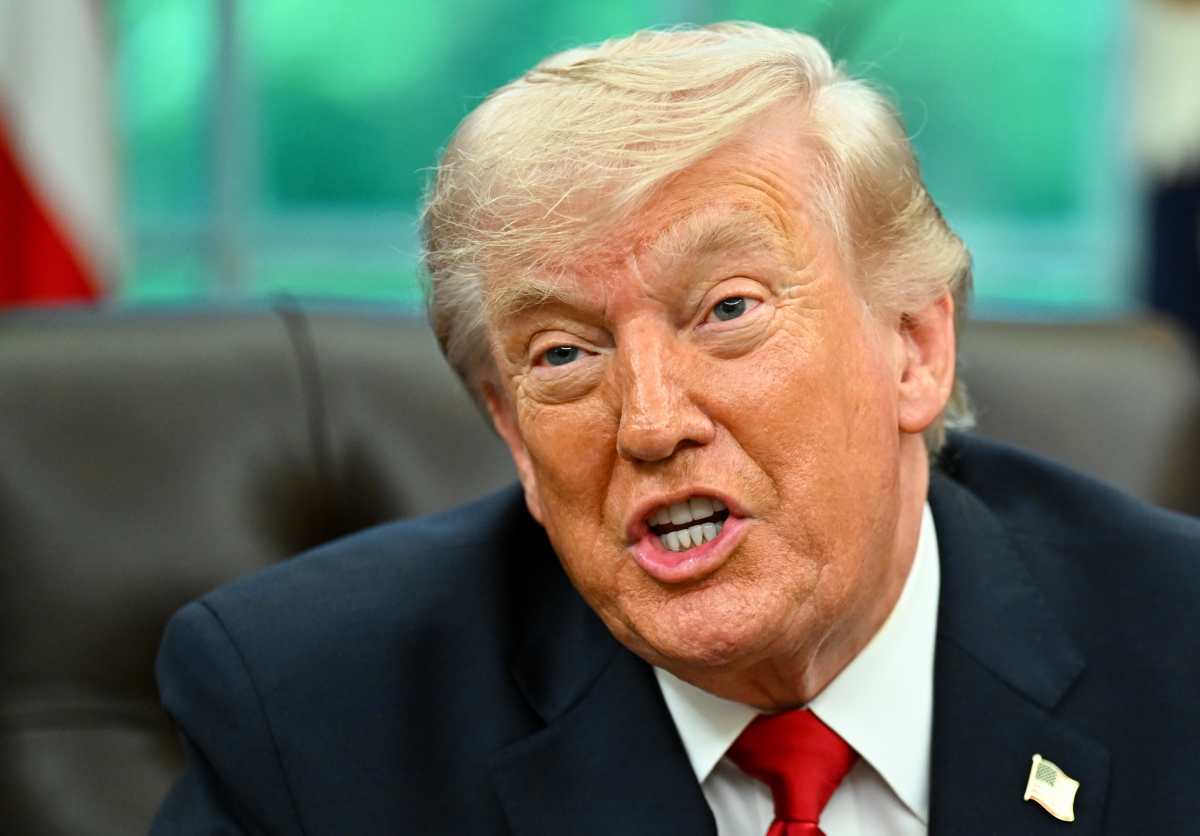
Trump Administration Plans New Import Taxes After Supreme Court Tariff Rejection
Translated from Spanish, summarized and contextualized by DistantNews.
TLDR
- U.S. President Donald Trump is reportedly planning new import taxes to replace tariffs previously rejected by the Supreme Court.
- These temporary taxes are intended to generate revenue for the Treasury Department while longer-term tariffs are developed.
- The Office of the U.S. Trade Representative will begin hearings on May 4th regarding forced labor and overproduction concerns with various trading partners, including China.
The Trump administration is reportedly exploring new avenues for imposing import tariffs, signaling a persistent strategy to leverage trade policy for economic and geopolitical aims, even after facing judicial setbacks. The Los Angeles Times report indicates a move towards temporary taxes as a mechanism to circumvent previous Supreme Court rejections and maintain revenue streams for the U.S. Treasury. This approach suggests a determined effort to continue shaping trade dynamics through fiscal measures.
This initiative involves a two-pronged approach, with hearings scheduled to address concerns about forced labor in goods from 60 economies, including Nigeria and Norway, and overproduction by 16 trading partners, such as China and Japan. The U.S. Trade Representative's office is set to lead these discussions, aiming to lay the groundwork for a new round of taxes. The stated goal is to ensure American workers and businesses are not disadvantaged by foreign producers who may benefit from unfair cost advantages, such as forced labor or market-distorting overproduction.
From a U.S. perspective, particularly within the framework of the Trump administration's "America First" agenda, these proposed tariffs represent a continuation of efforts to rebalance trade relationships and protect domestic industries. The focus on issues like forced labor and competitive pricing reflects a broader narrative of challenging global trade practices perceived as detrimental to U.S. economic interests. While the article notes potential for further legal challenges, the administration appears poised to pursue these measures, underscoring a commitment to using tariffs as a key tool in its trade strategy, a stance that often generates debate both domestically and internationally.
Durante demasiado tiempo, los trabajadores y las empresas estadounidenses se vieron obligados a competir contra productores extranjeros que pueden tener una ventaja artificial de costos obtenida a partir del flagelo del trabajo forzado
DistantNews Editorial
Originally published by Prensa Libre in Spanish. Translated, summarized, and contextualized by our editorial team with added local perspective. Read our editorial standards.
More Stories



From Our Blog

What Gets Lost (and Found) When News Is Translated

The Critical Role of Diaspora Media in Global News

What Travellers Should Know About Countries with Restricted Press

A Digital Nomad's Guide to Following Local News

How the Same Story Looks Different in Different Countries
