


Trump administration proposes allowing foreign shipyards to build initial U.S. military vessels abroad
Translated from Korean, summarized and contextualized by DistantNews.
At a glance
News
Official statement
New plan
- U.S. President Donald Trump is pursuing a policy allowing foreign shipyards investing in the U.S. to build up to two initial vessels for the U.S. military in their home countries.
- This initiative aims to improve U.S. naval shipbuilding and repair, addressing backlogs and cost increases due to a weakened domestic industry.
- The plan, inspired by the "Finland model," requires foreign firms to invest in U.S. shipyards, hire and train American workers, and transfer technology, with subsequent vessels built in the U.S.
The Trump administration is advancing a policy that could permit foreign shipyards investing in the United States to construct up to two initial vessels for the U.S. military in their own countries. This initiative, outlined in a National Security Presidential Memorandum, aims to bolster the U.S. shipbuilding and repair sector, which has faced significant production capacity and competitiveness issues.
The memorandum highlights a substantial backlog in six major U.S. Navy shipbuilding programs, attributing delays and cost overruns to a diminished domestic industrial base and supply chain vulnerabilities. The new approach draws inspiration from the "Finland model," previously applied to the U.S. Coast Guard's icebreaker program, and could be extended to new procurement projects for up to three ship classes.
These eligible ship classes include surface combatants capable of anti-submarine and anti-surface warfare, console tankers for maritime replenishment, and roll-on/roll-off vessels for transporting vehicles and equipment. To qualify for the initial overseas construction allowance, foreign shipbuilders must commit to building new U.S. shipyards or acquiring controlling stakes in existing ones. They are also required to employ and train American workers, transfer shipbuilding technology and techniques to U.S. facilities, and establish domestic supply chains for construction and repair.
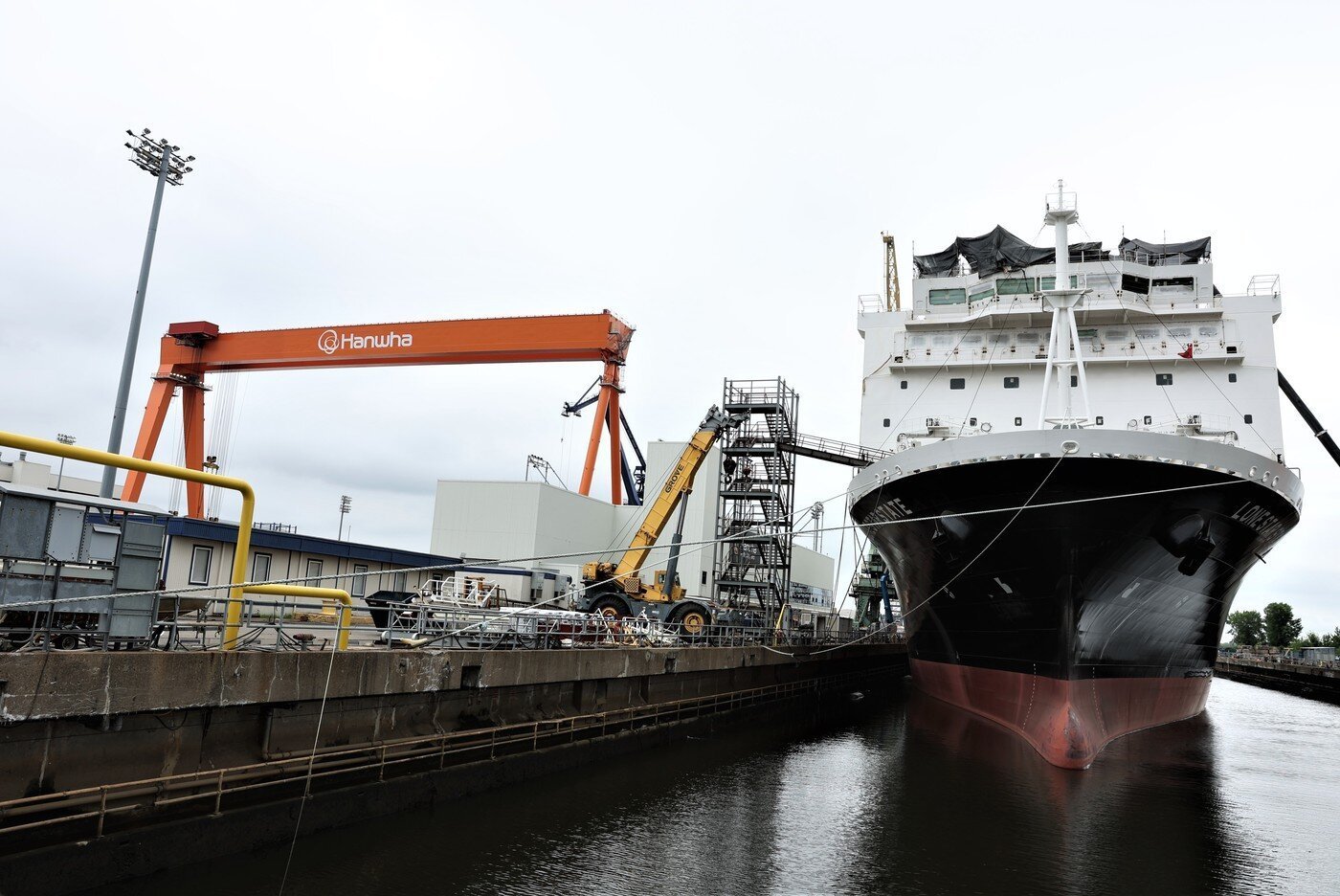
This policy represents a strategic exception to the general prohibition on foreign construction of U.S. military vessels, with the Secretary of Defense empowered to determine if individual contracts meet national security requirements. The move is seen as potentially impacting U.S.-South Korea "MASGA" (Make American Shipbuilding Great Again) shipbuilding cooperation, offering a concrete pathway for applying discussions about building U.S. ships in South Korea to actual military procurement.
DistantNews Editorial
Originally published by Hankyoreh in Korean. Translated, summarized, and contextualized by our editorial team with added local perspective. Read our editorial standards.
More Stories


From Our Blog

What Gets Lost (and Found) When News Is Translated

The Critical Role of Diaspora Media in Global News

What Travellers Should Know About Countries with Restricted Press

A Digital Nomad's Guide to Following Local News

How the Same Story Looks Different in Different Countries
