

Trump Allows Foreign Shipyards Investing in U.S. to Build Up to Two Vessels at Home
Translated from Korean, summarized and contextualized by DistantNews.
At a glance
News
Named sources
New plan
- The U.S. has eased restrictions on foreign shipbuilders investing in the country, allowing them to build up to two vessels at their home shipyards for delivery to the U.S.
- This move aims to address chronic delays and production backlogs in the U.S. Navy's shipbuilding program.
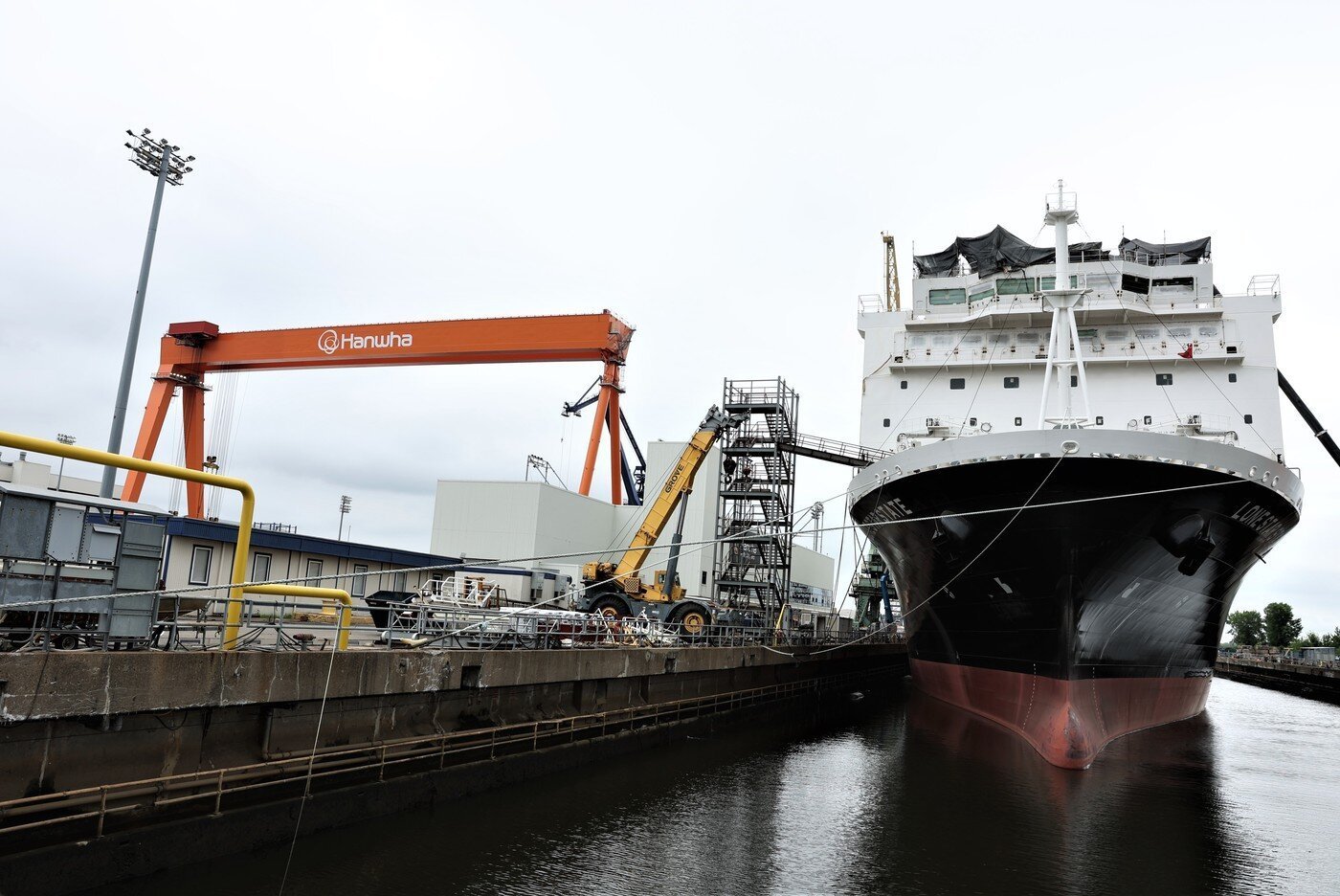
- The policy change is expected to expand shipbuilding opportunities for South Korean firms like Hanwha Ocean and HD Hyundai Heavy Industries, which have invested in U.S. infrastructure.
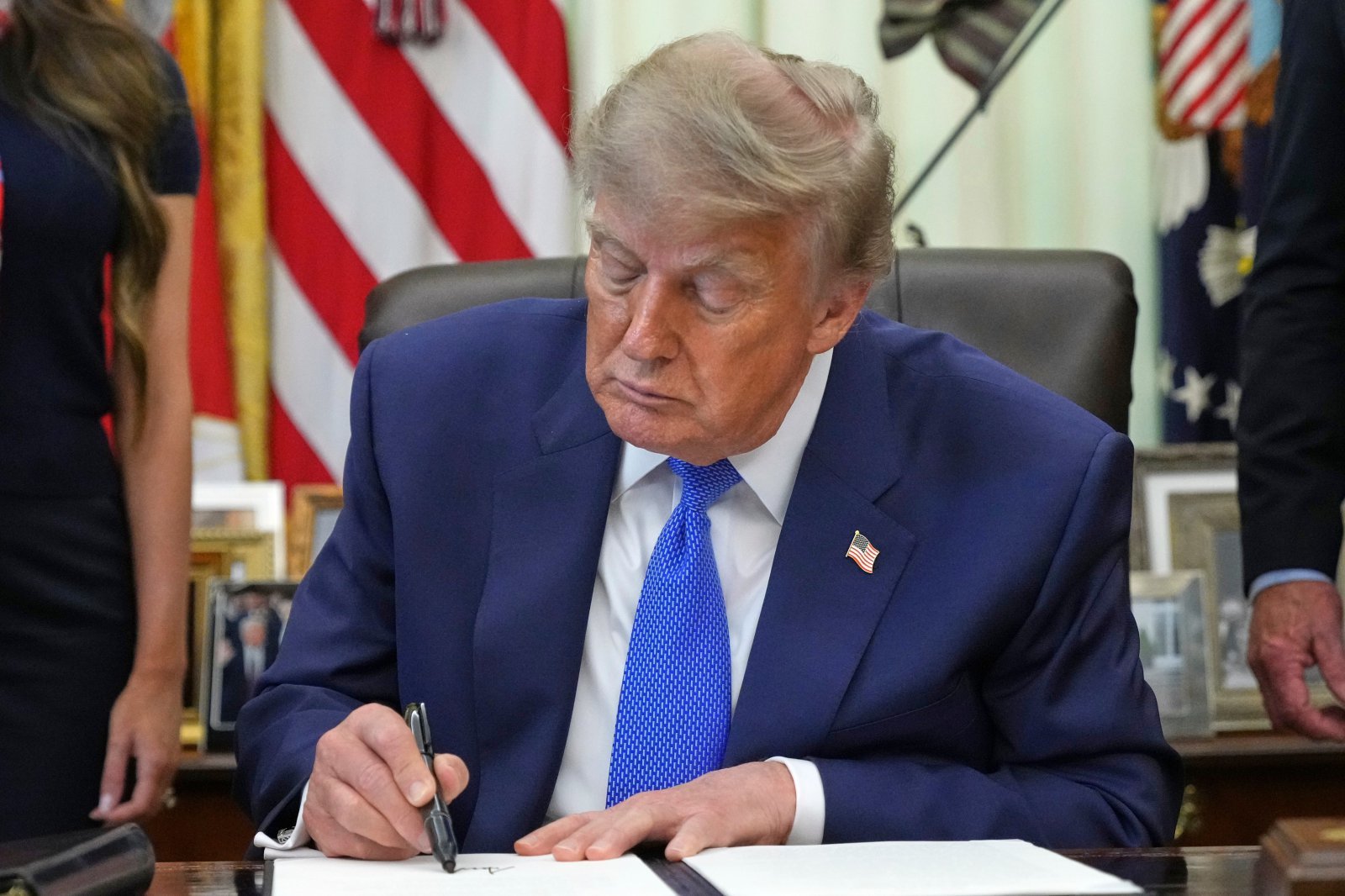
President Donald Trump has signed a National Security Presidential Memorandum (NSPM) allowing foreign shipbuilders that invest in the U.S. to construct up to two vessels at their home shipyards for delivery to the United States. The White House announced the decision on August 13 (local time), stating it aims to resolve the Navy's persistent issues with shipbuilding delivery delays and production backlogs.
We are going to be looking at a couple of companies coming from Korea and other areas. They are working with us on shipbuilding.
The core of the policy permits foreign shipyards to build an initial batch of up to two vessels at their headquarters' facilities as an exceptional measure to fill supply chain gaps, provided they invest directly in U.S. shipbuilding infrastructure and commit to local employment and workforce development. Subsequent production is intended to transition to U.S. shipyards that have been re-established and upgraded.
This initiative draws from a "partner nation cooperation model" previously considered for projects like the medium icebreaker collaboration with Finland. Beyond foreign shipyard cooperation, the White House has also introduced comprehensive reforms to enhance the technical stability and repair capabilities of U.S. Navy vessels. Notably, the directive calls for the reintroduction of proven steam and hydraulic systems in place of electromagnetic aircraft launch systems (EMALS) and weapons elevators, which have frequently caused defects during the construction of advanced aircraft carriers.
We will also be purchasing some ships that are made outside of the region.
To alleviate delays in the maintenance and repair of submarines and aircraft carriers, the U.S. will construct new national naval shipyards for the first time in approximately 80 years. A dedicated center will also be established for the rapid storage and refurbishment of critical components for major assets like submarines. These measures are anticipated to increase South Korea's shipbuilding order opportunities.
The U.S. Navy needs more ships. We have the greatest Navy in the world, but the ships are getting older.
Historically, the U.S. has strictly limited the overseas construction of its warships and merchant vessels under laws like the Jones Act and the Burns-Tollefson Act. However, persistent domestic production capacity shortages and backlogs in the maintenance and repair (MRO) sector have made cooperation with skilled allies like South Korea and Japan unavoidable. Companies such as Hanwha Ocean, which operates the Philadelphia Shipyard, and HD Hyundai Heavy Industries, both of which are expanding their U.S. investments or participating in U.S. Navy MRO projects, are now seen as potential beneficiaries for U.S. Navy-related contracts.
We have lost our shipbuilding capability over many years. Now we have to learn it again. We used to build a ship a day, but we have fallen behind in this area.
DistantNews Editorial
Originally published by Dong-A Ilbo in Korean. Translated, summarized, and contextualized by our editorial team with added local perspective. Read our editorial standards.
More Stories


From Our Blog

What Gets Lost (and Found) When News Is Translated

The Critical Role of Diaspora Media in Global News

What Travellers Should Know About Countries with Restricted Press

A Digital Nomad's Guide to Following Local News

How the Same Story Looks Different in Different Countries
