


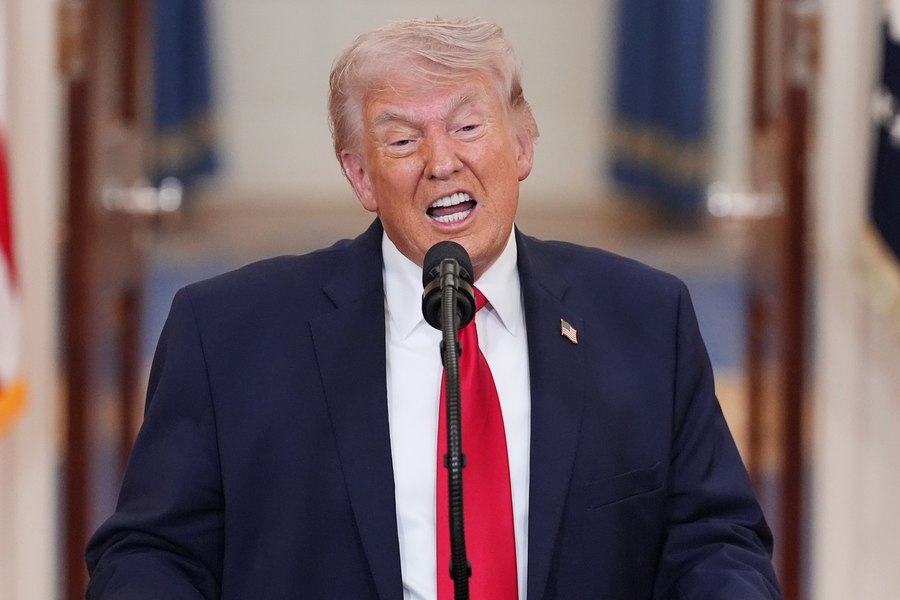
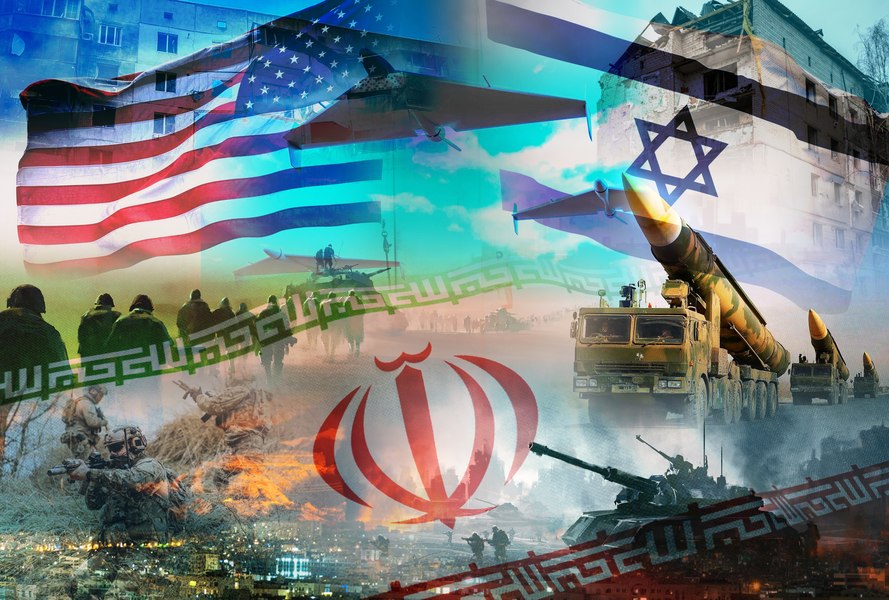
Trump and the Illusion of Dominant Decision-Making
Translated from Romanian, summarized and contextualized by DistantNews.
TLDR
- Donald Trump's confrontation with Iran aimed to restore U.S. strategic initiative and credibility, but its effectiveness is questioned.
- The decision's impact on Washington's ability to observe, orient, decide, and act is debated, with concerns it degraded the strategic space.
- While the U.S. claimed success in reducing Iran's influence and ensuring navigation, external effects included rising oil prices and a downgraded global growth forecast.
From the perspective of Adevărul, Donald Trump's aggressive stance towards Iran, ostensibly to reclaim American strategic initiative, appears to be a simplistic application of force rather than a nuanced understanding of geopolitical dynamics. The article, referencing theories like John Boyd's OODA loop, questions whether Trump's actions truly fractured Iran's decision-making cycle or merely created an illusion of control.
Iran must be hit hard enough to yield, reopen its maritime exit, re-enter negotiations from a weaker position, and abandon, at least temporarily, the nuclear temptation.
The narrative suggests that Trump's approach, driven by a "coercive and poorly elastic" orientation, underestimated Iran as an adaptive system. The assertion that Iran needed to be "hit hard enough to yield" overlooks the potential for such actions to harden leadership rather than foster flexibility, as noted by Reuters. The article implies that this confrontational strategy, while perhaps spectacular, may have degraded America's strategic space for learning and adaptation.
The White House then claimed that the naval blockade and military pressure had reduced Iran's influence and ensured freedom of navigation, while Trump presented the war as a matter 'very close to the end'.
Furthermore, the piece highlights the severe external consequences of this confrontation, including a surge in oil prices and a downward revision of global economic growth forecasts by the IMF. This underscores a critical perspective on the U.S. administration's strategy, suggesting that the focus on immediate displays of force may have disregarded broader economic stability and the complex, adaptive nature of international relations. The Iranian nuclear issue, despite U.S. pressure, remains unresolved, with the IAEA chief emphasizing the futility of any agreement without strict verification, further complicating the narrative of decisive American action.
Meanwhile, however, the external effects were severe. Oil approached $100, the IMF reduced the global growth forecast, and Reuters and AP described a global economy already hit by the energy shock and the blocking of traffic through Hormuz.
DistantNews Editorial
Originally published by Adevărul in Romanian. Translated, summarized, and contextualized by our editorial team with added local perspective. Read our editorial standards.
More Stories

From Our Blog

What Gets Lost (and Found) When News Is Translated

The Critical Role of Diaspora Media in Global News

What Travellers Should Know About Countries with Restricted Press

A Digital Nomad's Guide to Following Local News

How the Same Story Looks Different in Different Countries
