


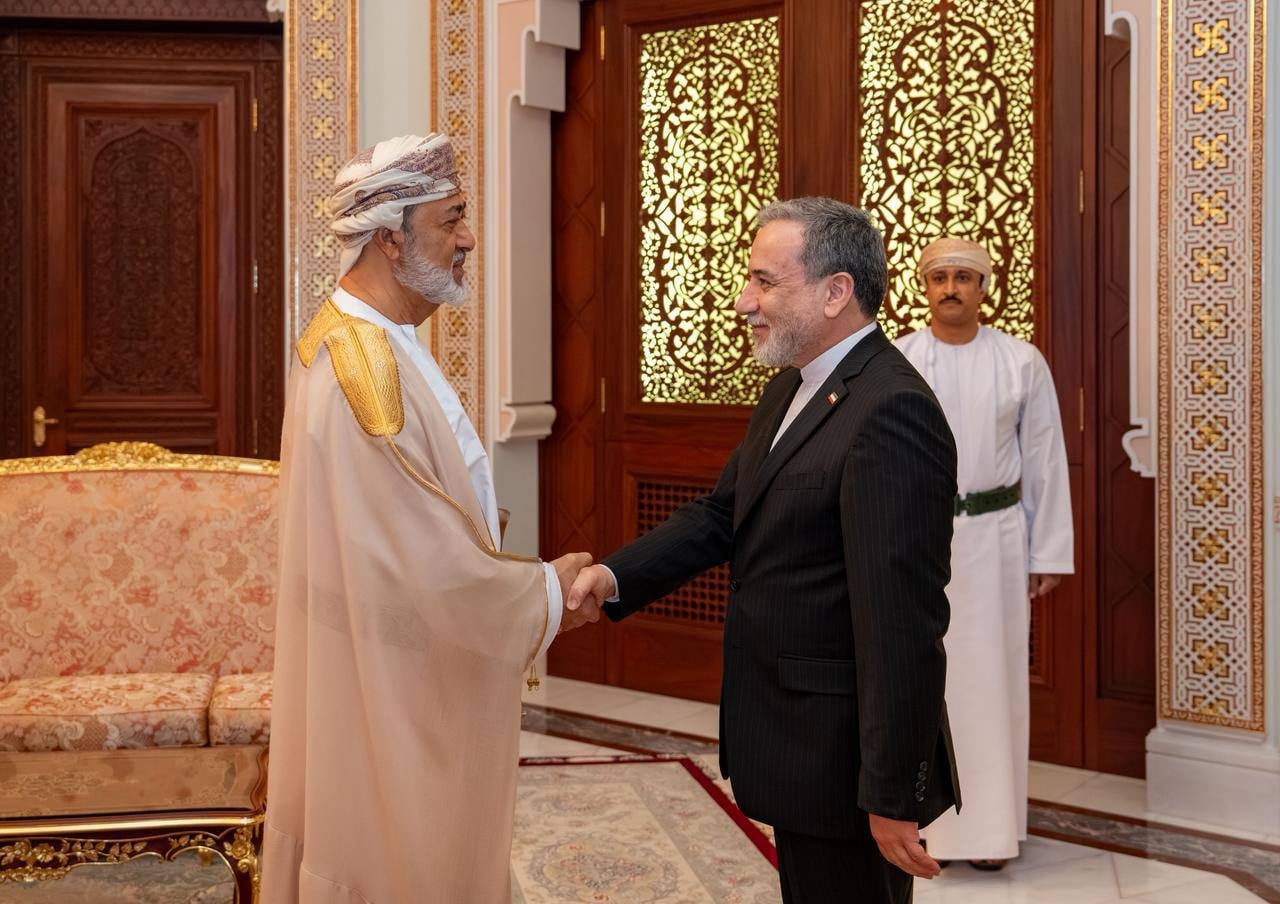
Trump challenges Iran to negotiate, as its foreign minister travels to Moscow
Translated from Spanish, summarized and contextualized by DistantNews.
TLDR
- US President Donald Trump stated Iran can call if it wishes to negotiate an end to their ongoing conflict.
- Trump reiterated that Iran cannot possess nuclear weapons as a condition for any meeting.
- Meanwhile, Iranian Foreign Minister Abbas Araqchi is engaged in diplomatic efforts in Pakistan and Russia amidst stalled direct negotiations.
In a recent television appearance, US President Donald Trump extended an unusual invitation to Iran, suggesting that if Tehran wishes to negotiate an end to their nearly two-month conflict, they can simply "call." This statement, made on Fox News, comes amid a diplomatic stalemate and persistent tensions between the two nations. Trump underscored a non-negotiable condition for any talks: Iran must not possess nuclear weapons, framing it as the sole prerequisite for a meeting.
Si quieren hablar, pueden venir a nosotros o pueden llamarnos. Ya saben, existe el teléfono. Tenemos líneas seguras y confiables
Concurrently, Iran's Foreign Minister, Abbas Araqchi, has been actively pursuing diplomatic channels. He returned to Pakistan for discussions and subsequently traveled to Moscow to meet with Russian President Vladimir Putin. These efforts aim to garner political support as direct negotiations remain stalled. The situation is further complicated by Iran's long-standing demand for Washington to recognize its right to enrich uranium, which Tehran insists is for peaceful purposes, a claim Western powers view with suspicion regarding nuclear weapons development.
Ellos saben qué debe incluir el acuerdo. Es muy simple: no pueden tener un arma nuclear, de lo contrario no hay razón para reunirse
The path to renewed direct negotiations appears increasingly narrow. Trump's recent cancellation of a visit by his envoys to Islamabad, citing high costs and an insufficient Iranian proposal, further dimmed prospects. The conflict, which began in late February, is currently under a fragile ceasefire, but significant progress toward a definitive agreement remains elusive. The war has already resulted in thousands of casualties, driven up oil prices, fueled inflation, and negatively impacted global growth forecasts. From an Iranian perspective, as articulated by President Masoud Pezeshkian and emphasized by Araqchi, any negotiation must not be conducted under duress, and the lifting of the US maritime blockade is a key condition. The ongoing dispute also affects the strategic Strait of Hormuz, a vital oil transit route, where Iran has significantly restricted traffic, prompting retaliatory blockades by Washington on Iranian ports, intensifying economic and geopolitical pressure.
Ofrecieron mucho, pero no lo suficiente
DistantNews Editorial
Originally published by La Nación in Spanish. Translated, summarized, and contextualized by our editorial team with added local perspective. Read our editorial standards.
More Stories
From Our Blog

What Gets Lost (and Found) When News Is Translated

The Critical Role of Diaspora Media in Global News

What Travellers Should Know About Countries with Restricted Press

A Digital Nomad's Guide to Following Local News

How the Same Story Looks Different in Different Countries
