


Trump Declares 'Victory' in Hormuz Strait Diplomacy After Halting Operation
Translated from Korean, summarized and contextualized by DistantNews.
TLDR
- The US has temporarily suspended its 'Operation Freedom' in the Strait of Hormuz, with President Trump attributing the decision to progress in negotiations with Iran.
- The suspension is seen as an acknowledgment of the difficulties in resolving the Hormuz blockade solely through military means, signaling a shift towards diplomatic solutions.
- The move comes amid concerns about the operation's limited effectiveness and the need for mutual agreement between the US and Iran to ensure safe passage through the strait.
The temporary halt of the 'Operation Freedom' in the Strait of Hormuz, announced by President Trump as a result of diplomatic progress with Iran, signals a significant shift in US strategy. While officially framed as a move stemming from successful negotiations, the decision also reflects a pragmatic recognition that military pressure alone cannot resolve the complex situation in the vital waterway.
This operation was a defensive operation to rescue nearly 23,000 civilians from 87 countries.
This development suggests that the US is actively seeking a diplomatic exit, potentially aiming for a Memorandum of Understanding (MOU) with Iran before a final agreement. This approach lowers the immediate stakes, offering a political pathway to de-escalate tensions without requiring a complete resolution of all outstanding issues. The limited success of the naval operation, with only a handful of merchant ships escorted since its inception, further underscores the need for a more nuanced strategy.
Resuming passage through the strait requires the consent of both parties (the United States and Iran), not just one.
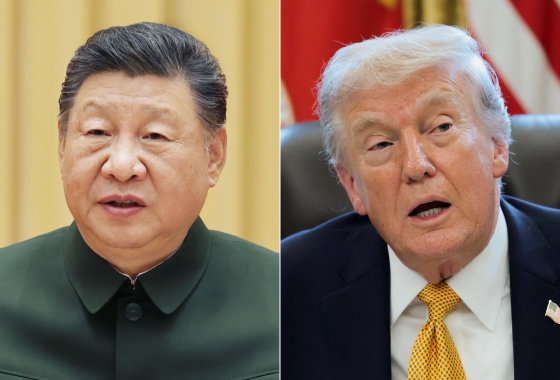
The timing of this diplomatic overture, coinciding with President Trump's upcoming visit to China, is noteworthy. Iran's Foreign Minister's visit to Beijing highlights the interconnectedness of regional and global diplomacy. China, as a major trading partner for Iran and a key player in global logistics, has a vested interest in the stability of the Strait of Hormuz. The US is clearly leveraging this, urging China to play a role in ensuring freedom of navigation.
This operation will not solve the entire problem of the strait.
Ultimately, the success of this diplomatic gambit hinges on the ability of both the US and Iran to find a mutually face-saving solution. The US needs to claim a 'victory' based on its military posture, while Iran must frame the suspension of the operation as a result of its own successful resistance. The path forward requires a willingness from both sides to provide each other with an off-ramp, moving away from confrontation towards a more stable regional order.
It is in China's interest for Iran to stop closing the strait.
DistantNews Editorial
Originally published by Hankyoreh in Korean. Translated, summarized, and contextualized by our editorial team with added local perspective. Read our editorial standards.
More Stories


From Our Blog

What Gets Lost (and Found) When News Is Translated

The Critical Role of Diaspora Media in Global News

What Travellers Should Know About Countries with Restricted Press

A Digital Nomad's Guide to Following Local News

How the Same Story Looks Different in Different Countries
