

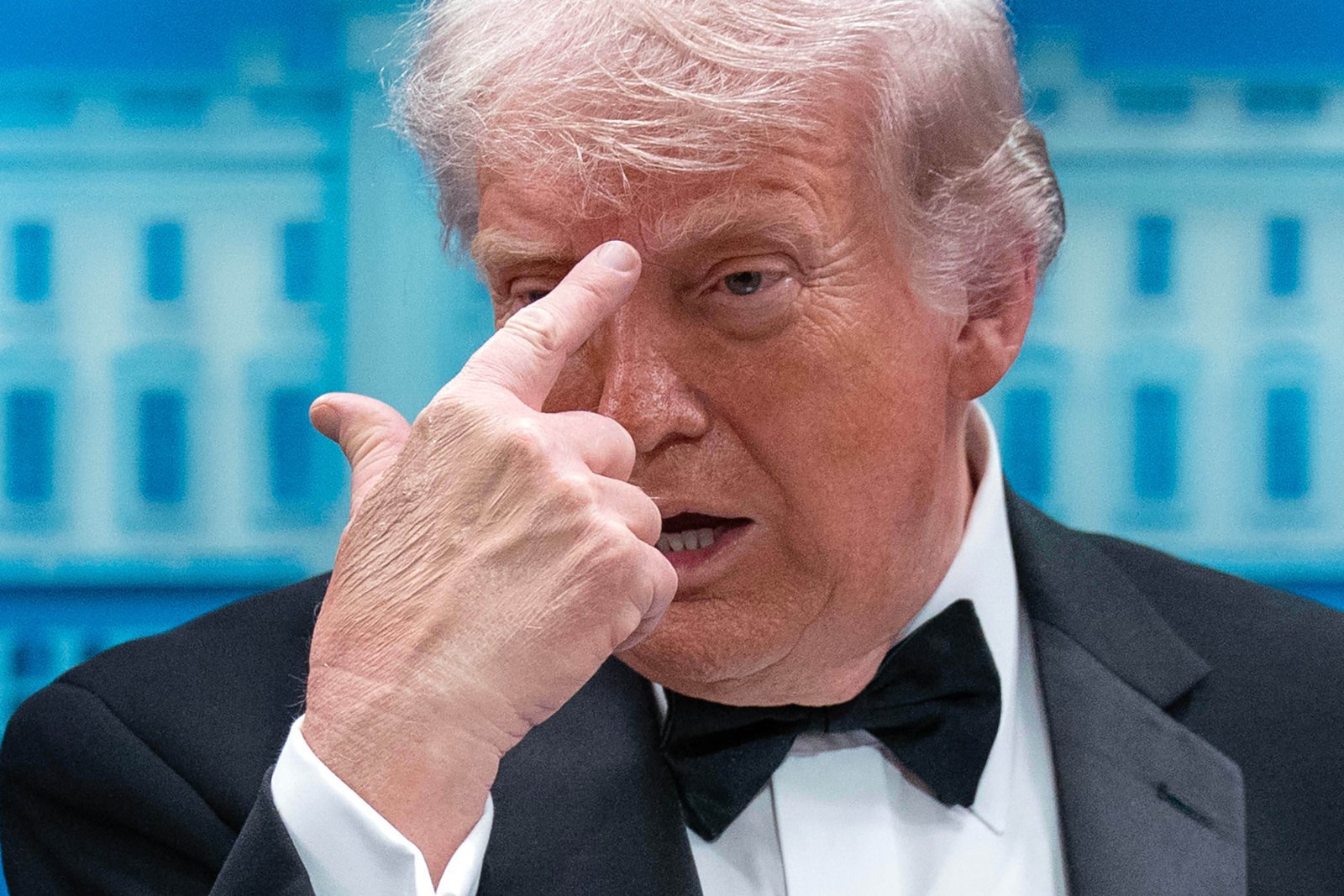

Trump: Iran Should Call Us If They Want to Talk; No More 18-Hour Flights for Negotiators
Translated from Korean, summarized and contextualized by DistantNews.
TLDR
- U.S. President Donald Trump declared he would no longer send negotiation teams to Iran for talks, citing wasted travel time.
- Trump stated Iran should call the U.S. if they wish to negotiate, emphasizing their nuclear weapons prohibition.
- Iran's President Rouhani criticized the U.S.'s "high-handed attitude" as a hindrance to dialogue, stating that increased pressure and negotiations cannot occur simultaneously.
The Hankyoreh reports on President Trump's assertive stance regarding negotiations with Iran, a move that escalates pressure on Tehran. Trump's declaration that he will cease sending negotiation teams, suggesting Iran should instead initiate contact via phone, signals a departure from traditional diplomatic engagement. This tactic, aimed at compelling Iran to comply with U.S. demands, particularly concerning its nuclear program, is framed as a strategic maneuver to force concessions.
If they want to talk, they can call us or they can come over. They can talk, if they want to talk, but I'm not going to send our people on a 18-hour flight.
The article highlights the stark contrast in approaches between the U.S. and Iran. While Trump insists on Iran's complete abandonment of nuclear weapons as a prerequisite for any meaningful dialogue, Iranian President Hassan Rouhani condemns the U.S.'s "high-handed attitude" and "hostile actions" as detrimental to fostering trust and creating an environment conducive to negotiation. This diplomatic impasse underscores the deep-seated mistrust and conflicting objectives between the two nations.
From a South Korean perspective, this situation is viewed with a degree of apprehension. South Korea, which maintains diplomatic ties with both the U.S. and Iran, often finds itself navigating complex geopolitical currents. The article implicitly suggests that such direct confrontation, while perhaps effective in certain U.S. domestic political narratives, creates instability in a region crucial for global energy supplies and international security. The mention of Pakistan's continued role as a mediator, despite Trump's remarks, indicates the persistent need for de-escalation and dialogue, even amidst heightened tensions.
The U.S.'s pressure and hostile actions are undermining trust and making it more difficult to resume dialogue.
The Hankyoreh, in its reporting, maintains a neutral yet analytical tone, presenting the facts of Trump's statements and Iran's counter-criticisms. It also includes commentary from CNN, which questions the veracity of Trump's claims about Iran's oil infrastructure, suggesting a tendency towards exaggeration. This critical examination of U.S. pronouncements is characteristic of how international affairs are often reported in South Korea, emphasizing a need for factual verification and a balanced perspective, especially when dealing with major global powers.
They cannot have nuclear weapons, and if they do, we don't have any reason to meet.
DistantNews Editorial
Originally published by Hankyoreh in Korean. Translated, summarized, and contextualized by our editorial team with added local perspective. Read our editorial standards.
More Stories


From Our Blog

What Gets Lost (and Found) When News Is Translated

The Critical Role of Diaspora Media in Global News

What Travellers Should Know About Countries with Restricted Press

A Digital Nomad's Guide to Following Local News

How the Same Story Looks Different in Different Countries
