

Trump nominee vows to sharpen US media challenge to China
Summarized and contextualized by DistantNews.
At a glance
News
Named sources
New plan
- Sarah B. Rogers, President Trump's nominee for USAGM, vowed to intensify media challenges against China.
- She plans to expand outreach through short-form videos, podcasts, and diaspora group chats, prioritizing Asia.
- Rogers cited Chinese propaganda, including anti-colonial and antisemitic narratives, as a key problem to combat.
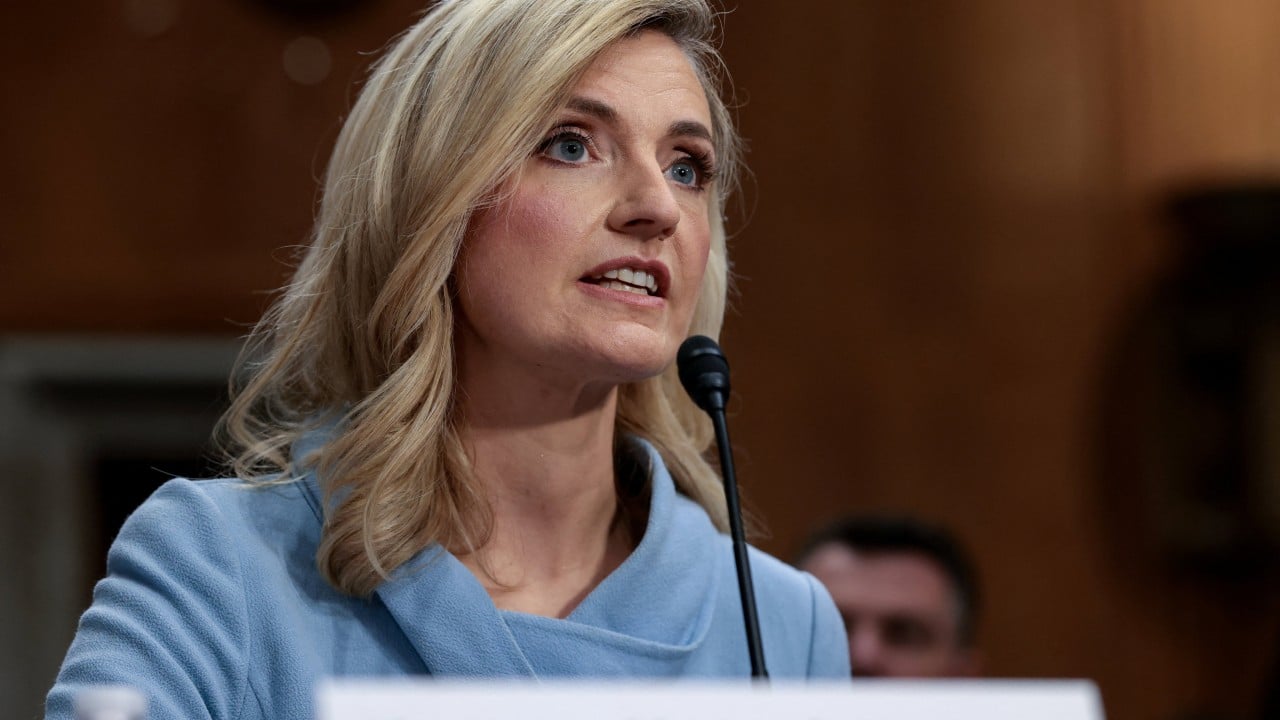
Sarah B. Rogers, nominated to lead the U.S. Agency for Global Media (USAGM), pledged to enhance America's media challenge to China. During a Senate committee hearing, Rogers outlined plans to expand the agency's reach into new platforms like short-form videos, podcasts, and diaspora group chats. She emphasized that Asia would remain a top regional priority for USAGM, which oversees Voice of America and funds other international broadcasters.
Rogers described China's propaganda efforts as "rapacious" and a significant problem, stating that combating "Chinese adversarial propaganda" has been central to her public diplomacy strategy. She specifically pointed to Chinese propaganda that promotes leftist anti-colonial narratives and antisemitism, often disseminated through coordinated social media accounts spreading disinformation.
China is rapacious and it is expanding all of its propaganda efforts.
However, Rogers would inherit an agency weakened by previous Trump administration actions, which included placing many employees on paid administrative leave and reducing Chinese-language coverage. Despite these challenges, Rogers aims to counter China's growing influence not only in Asia but also in Cuba, the Middle East, and Africa. Her strategy involves moving beyond traditional news formats to engage audiences on more contemporary and timely platforms.
Chinese adversarial propaganda is a problem, and combating it has been a cornerstone of my public diplomacy strategy.
DistantNews Editorial
Originally published by South China Morning Post. Summarized and contextualized by our editorial team with added local perspective. Read our editorial standards.
More Stories
From Our Blog

Countries Without a Free Press: What You Need to Know

What Press Freedom Means for the News You Read

What Gets Lost (and Found) When News Is Translated

The Critical Role of Diaspora Media in Global News

What Travellers Should Know About Countries with Restricted Press
