


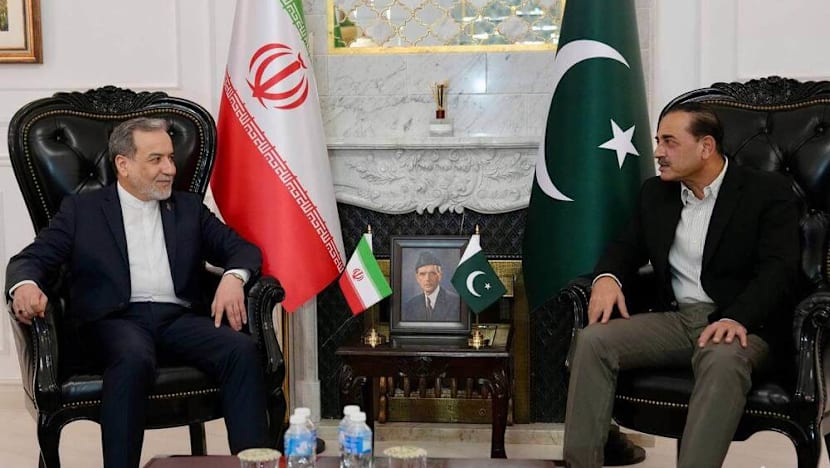
Trump says Iran can call if it wants to talk, as Iranian envoy returns to Pakistan
Summarized and contextualized by DistantNews.
TLDR
- President Trump stated that Iran can initiate negotiations by calling the US, following the cancellation of planned talks in Islamabad.
- Trump reiterated that Iran must not possess nuclear weapons as a condition for any agreement, while Iran insists on its right to enrich uranium for peaceful purposes.
- A ceasefire is in place, but a peace agreement remains elusive, with ongoing tensions including Iran's partial closure of the Strait of Hormuz and U.S. port blockades.
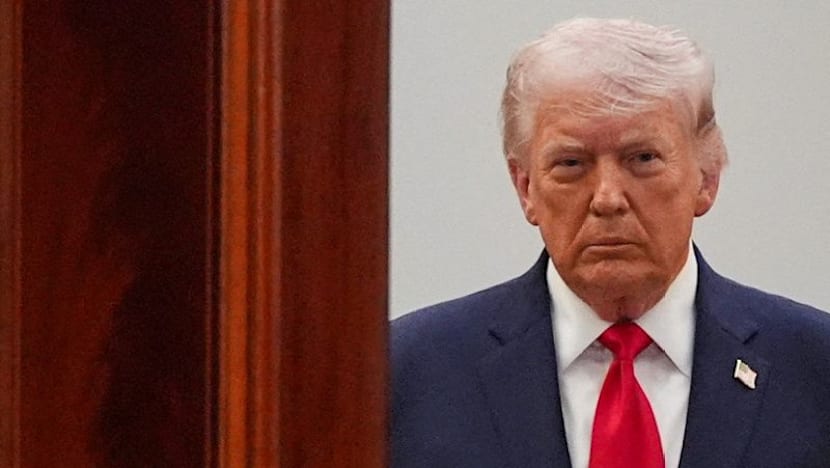
President Donald Trump has signaled a potential opening for dialogue with Iran, stating that the Islamic Republic can reach out to the U.S. if it wishes to negotiate an end to the ongoing conflict. This comes after the abrupt cancellation of planned negotiations in Islamabad, a move that had previously dampened hopes for a swift peace resolution.
If they want to talk, they can come to us, or they can call us. You know, there is a telephone. We have nice, secure lines.
Trump's remarks, made during an interview, emphasized a clear precondition for any talks: Iran must abandon its pursuit of nuclear weapons. "They know what has to be in the agreement. It's very simple: they cannot have a nuclear weapon, otherwise there's no reason to meet," the President stated. This stance directly addresses the core of the international dispute, where Western powers and Israel suspect Iran's uranium enrichment program is geared towards developing nuclear arms, a claim Tehran vehemently denies, asserting its peaceful intentions.
They know what has to be in the agreement. It's very simple: they cannot have a nuclear weapon, otherwise there's no reason to meet.
Despite a fragile ceasefire that has paused full-scale hostilities, the path to a comprehensive peace agreement remains fraught with challenges. The conflict, which erupted following U.S.-Israeli strikes on Iran, has already exacted a heavy toll, causing thousands of casualties, driving up oil prices, fueling inflation, and casting a shadow over the global economic outlook. The strategic Strait of Hormuz, a vital artery for global oil shipments, has been partially closed by Iran, while the U.S. has imposed a blockade on Iranian ports, further escalating tensions.
They discussed security in the strait and Araqchi called for a regional security framework free of outside interference, according to Iran's foreign ministry.
Meanwhile, Iranian Foreign Minister Abbas Araqchi has been engaged in diplomatic shuttle diplomacy, meeting with Pakistani and Omani officials. These discussions, while reportedly not directly related to Iran's nuclear program, focus on regional security, including the implementation of a new legal regime over the Strait of Hormuz and guarantees against future aggression. From our perspective, the U.S. position, while firm on the nuclear issue, leaves the door ajar for diplomacy. However, the complex geopolitical landscape, marked by regional rivalries and the ongoing conflict, necessitates a nuanced approach. The international community watches closely, hoping that dialogue, however initiated, can ultimately lead to a de-escalation and a lasting peace.
implementing a new legal regime over the Strait of Hormuz, receiving compensation, guaranteeing no renewed military aggression by warmongers, and lifting the naval blockade.
DistantNews Editorial
Originally published by CNA. Summarized and contextualized by our editorial team with added local perspective. Read our editorial standards.
More Stories
From Our Blog

What Gets Lost (and Found) When News Is Translated

The Critical Role of Diaspora Media in Global News

What Travellers Should Know About Countries with Restricted Press

A Digital Nomad's Guide to Following Local News

How the Same Story Looks Different in Different Countries
