


Trump: Ships laden with oil begin transiting Strait of Hormuz
Translated from Greek, summarized and contextualized by DistantNews.
At a glance
News
Sources not specified
Context piece
- U.S. President Donald Trump announced that ships laden with oil are beginning to transit the Strait of Hormuz.
- This development follows recent progress in negotiations between the U.S. and Iran regarding the strategic waterway.
- Despite the announcement, significant questions remain about the long-term implications and differing interpretations of the deal.
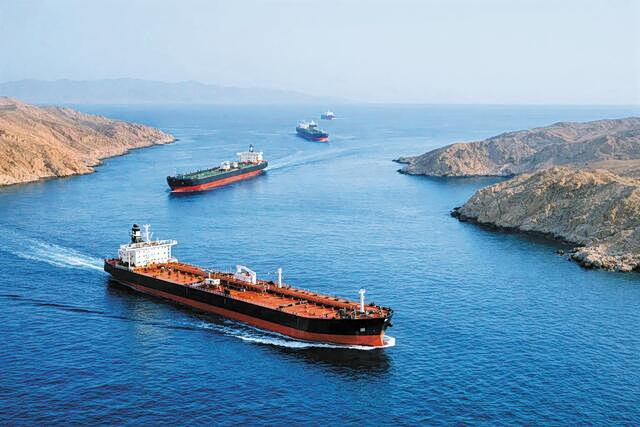
U.S. President Donald Trump declared that maritime traffic, including oil tankers, has resumed passage through the Strait of Hormuz, a critical global energy chokepoint. Trump stated on his Truth Social platform that navigation in the area is being restored and that oil-carrying vessels are once again transiting the strategically vital passage.
"Ships are starting to move, many of them loaded with oil, coming out of the Strait of Hormuz," Trump wrote. "They are heading along the southern 'corridor,' which is absolutely safe, protected, and in excellent condition. There are other available routes for movement as well."
The statement arrived hours after the core points of a draft agreement between Washington and Tehran were revealed, with official signing expected in Switzerland soon. Reports suggest the deal includes the lifting of the U.S. naval blockade against Iran and the reopening of maritime passage through the Strait of Hormuz.
However, significant questions persist regarding the future status of the region post-agreement. Iranian media reports indicate that free passage might only apply during a 60-day negotiation period. Tehran is reportedly considering imposing transit fees on commercial vessels using the strait after this period, a possibility not confirmed by the U.S.
Meanwhile, Iran's leadership insists that nuclear program talks can only proceed if billions of dollars in frozen Iranian assets abroad are released. Diplomatic sources view this as a major test for the agreement's viability. While international markets reacted positively, with oil prices falling, Israel expresses significant concern. Officials worry the framework might allow Tehran to retain some nuclear capabilities until negotiations conclude, sparking reactions at both political and military levels. The reopening of the Strait of Hormuz is the first tangible sign of de-escalation, but differing interpretations of key terms suggest a complex and challenging path ahead.
Ships are starting to move, many of them loaded with oil, coming out of the Strait of Hormuz. They are heading along the southern 'corridor,' which is absolutely safe, protected, and in excellent condition. There are other available routes for movement as well.
DistantNews Editorial
Originally published by Ta Nea in Greek. Translated, summarized, and contextualized by our editorial team with added local perspective. Read our editorial standards.
More Stories


From Our Blog

What Gets Lost (and Found) When News Is Translated

The Critical Role of Diaspora Media in Global News

What Travellers Should Know About Countries with Restricted Press

A Digital Nomad's Guide to Following Local News

How the Same Story Looks Different in Different Countries
