

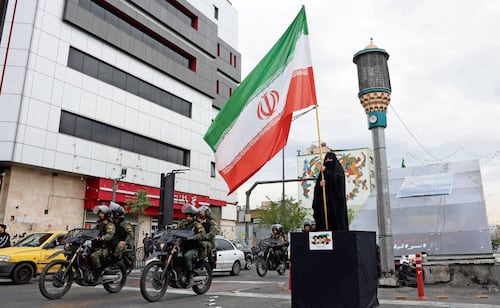
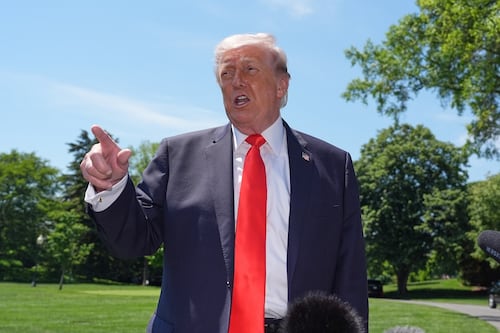
Trump, unsatisfied with new Iranian proposal; sees war powers deadline as 'unconstitutional'
Translated from Spanish, summarized and contextualized by DistantNews.
TLDR
- President Trump expressed dissatisfaction with Iran's new proposal for ending the war, calling it insufficient.
- He also deemed the 60-day deadline for applying war powers as 'totally unconstitutional.'
- Trump mentioned that Iran's leadership is disorganized and fragmented, with multiple groups vying for control, yet all seem to want a deal.
From the perspective of El Universal, a leading Mexican newspaper, President Trump's statements reveal a continued hardline stance on Iran and a deep-seated skepticism towards any diplomatic overtures. The article highlights Trump's characteristic unpredictability and his tendency to frame international relations through a transactional lens. His dismissal of Iran's proposal, even while acknowledging their desire for a deal, underscores the administration's preference for unilateral demands over negotiated settlements.
They want to reach an agreement. I am not satisfied with that.
The focus on the 'unconstitutionality' of the war powers deadline is a significant point, suggesting a domestic political angle to Trump's foreign policy pronouncements. This framing allows him to project an image of defending American constitutional principles while simultaneously exerting pressure on Iran. The mention of 'two or three groups, maybe four' leading Iran indicates a perception, perhaps amplified by US intelligence, of internal Iranian disarray, which Trump seems to exploit to his advantage.
They have advanced, but I am not sure they will ever make it. The leadership is very disorganized. There are two or three groups, maybe four, and it is a very fragmented leadership. That said, they all want to reach an agreement, but they are all lost.
Furthermore, Trump's critical remarks about Spain and Italy, accusing them of being comfortable with Iran obtaining a nuclear weapon, are particularly noteworthy. This accusation, if taken at face value, suggests a broader distrust of traditional European allies and a desire to isolate them on key foreign policy issues. For a Mexican publication, this could be interpreted as a sign of a fracturing global order, where even long-standing alliances are subject to strain under the current US administration.
Do we want to go and annihilate them completely and finish them off forever? Or do we want to try to make a deal? Those are the options.
The article also notes the US sanctions against Iranian currency exchange firms, indicating that diplomatic rhetoric is being backed by economic pressure. This dual approach—combining public criticism with tangible sanctions—is a hallmark of the Trump administration's foreign policy strategy. El Universal, in reporting this, provides its readers with a comprehensive view of the US's multifaceted pressure campaign against Iran, framed within the context of Trump's often-controversial public statements.
From a human point of view, I would prefer not to. But that is the option: do we want to go in with everything and just annihilate them or do we want to do something?
DistantNews Editorial
Originally published by El Universal in Spanish. Translated, summarized, and contextualized by our editorial team with added local perspective. Read our editorial standards.
More Stories

From Our Blog

What Press Freedom Means for the News You Read

What Gets Lost (and Found) When News Is Translated

The Critical Role of Diaspora Media in Global News

What Travellers Should Know About Countries with Restricted Press

A Digital Nomad's Guide to Following Local News
