


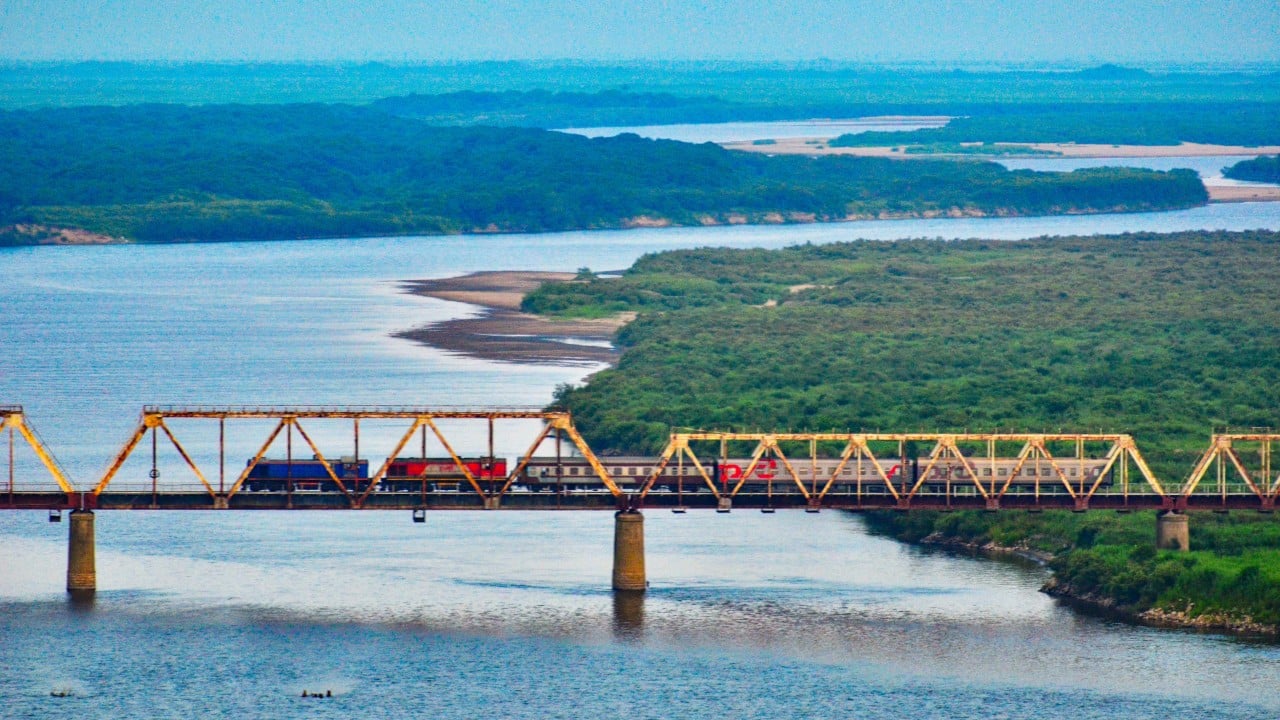
Tumen River dispute tests China's ties with North Korea and Russia
Translated from English, summarized and contextualized by DistantNews.
At a glance
Analysis
Sources not specified
Context piece
- The Tumen River, a natural border between China, North Korea, and Russia, is a key issue in regional relations.
- China seeks access to the Sea of Japan via the river, but North Korea and Russia have shown wariness of Beijing's growing influence.
- The silence on the Tumen River issue in recent summit statements suggests ongoing diplomatic complexities despite past positive signs from Moscow.
The Tumen River, forming a natural border between China, North Korea, and Russia, has re-emerged as a significant point of contention for observers of East Asian diplomacy. Despite a recent meeting between the leaders of China and North Korea, the river and China's long-standing desire for direct access to the Sea of Japan via its waters were conspicuously absent from official statements.
Beijing has consistently sought to persuade its neighbors to open the Tumen River to Chinese maritime traffic. This access is crucial for China, as a narrow strip of the river running between North Korea and Russia currently blocks direct passage to open waters. While there were indications of progress from Moscow just last month, the lack of any mention following the recent summit points to persistent reservations from both Pyongyang and Moscow regarding Beijing's regional ambitions, according to analysts.
Since ceding territory including Primorsky Krai to the Russian Empire in 1860, China has pursued direct access to the Sea of Japan. The Tumen River, known as Duman or Tuman River in Korea, represents a strategic waterway for this objective. The continued silence on this issue in high-level diplomatic exchanges underscores the delicate balance of power and influence in the region, highlighting the complex, multi-faceted relationships between these three nations.
DistantNews Editorial
Originally published by South China Morning Post in English. Translated, summarized, and contextualized by our editorial team with added local perspective. Read our editorial standards.
More Stories
From Our Blog

Countries Without a Free Press: What You Need to Know

What Press Freedom Means for the News You Read

What Gets Lost (and Found) When News Is Translated

The Critical Role of Diaspora Media in Global News

What Travellers Should Know About Countries with Restricted Press
