



Turkey's Active Fault Count Rises to 700 After Map Update
Translated from Turkish, summarized and contextualized by DistantNews.
At a glance
News
Official statement
New plan
- Turkey's map of active faults has been updated, increasing the number of known active faults from 485 to 700.
- The update, based on 13 years of new data and studies, was released by the General Directorate of Mineral Research and Exploration (MTA).
- Experts emphasize that past seismic activity in a region indicates the potential for future earthquakes of similar magnitude.
Turkey's map of active faults has been significantly updated, revealing an increase from 485 to 700 known active faults. The General Directorate of Mineral Research and Exploration (MTA) released the "Turkey Active Fault Map-2026," incorporating data and academic studies gathered over the past 13 years. This update is considered a crucial resource for seismic hazard analyses, critical infrastructure planning, and national disaster reduction policies.
The number of active faults in Turkey, previously identified as 485, has increased to 700 based on the work of MTA's geoscientists and geophysicists.
MTA General Manager Vedat Yanık highlighted that the update project, initiated in 2022, involved extensive fieldwork and academic research. He stated that the new map and its accompanying digital database will serve as a fundamental reference for understanding earthquake risks across the country.
According to the immutable law of earthquakes, if an earthquake of a certain magnitude has occurred in a place, an earthquake of at least that magnitude will occur there in the future.
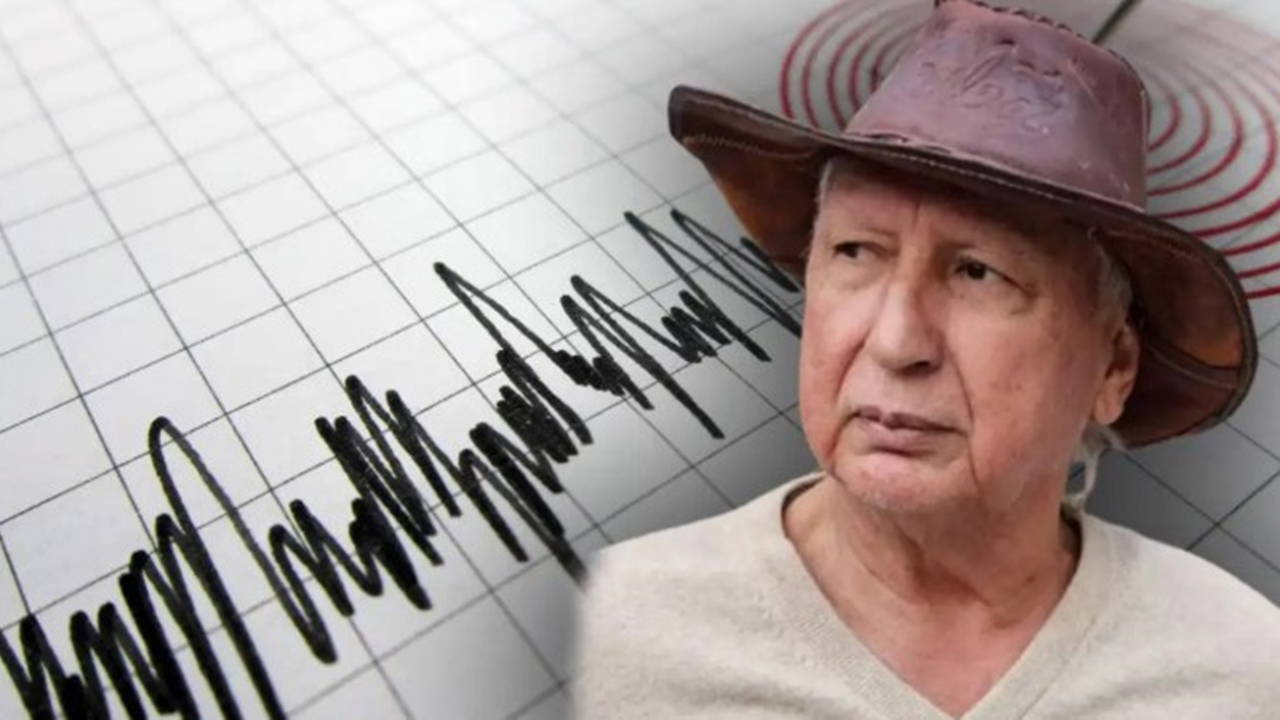
Following the map's release, Professor Dr. Övgün Ahmet Ercan, a prominent seismologist, commented on the findings. Ercan praised the MTA's work, emphasizing a fundamental principle of seismology: "According to the immutable law of earthquakes, if an earthquake of a certain magnitude has occurred in a place, an earthquake of at least that magnitude will occur there in the future." He noted that the 700 identified faults have each produced earthquakes of magnitude 5.5 or greater.
Therefore, the work done is very important. I congratulate MTA for these valuable contributions.
Ercan congratulated the MTA for their valuable contribution, underscoring the importance of the updated fault map in assessing future seismic threats. The revised data provides a more comprehensive understanding of Turkey's geological activity and potential earthquake risks.
The number of active faults in Turkey, previously identified as 485, has increased to 700 based on the work of MTA's geoscientists and geophysicists. Each of these are faults that have produced earthquakes greater than M5.5.
DistantNews Editorial
Originally published by Cumhuriyet in Turkish. Translated, summarized, and contextualized by our editorial team with added local perspective. Read our editorial standards.
More Stories


From Our Blog

What Gets Lost (and Found) When News Is Translated

The Critical Role of Diaspora Media in Global News

What Travellers Should Know About Countries with Restricted Press

A Digital Nomad's Guide to Following Local News

How the Same Story Looks Different in Different Countries
