

Typhoon Maysak Approaches Vietnam Coast at Category 1 Strength
Translated from Vietnamese, summarized and contextualized by DistantNews.
At a glance
News
Sources not specified
Ongoing story
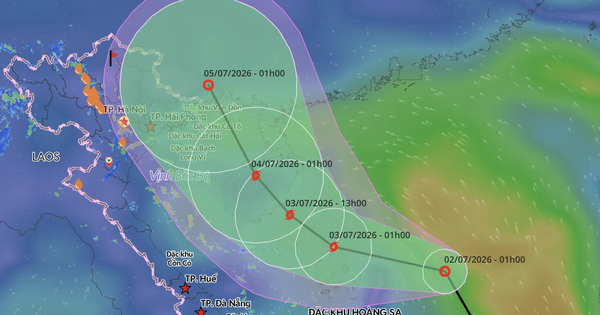
- Typhoon Maysak, the first typhoon of the season, is approaching Vietnam's northeastern coast with sustained winds of up to 133 km/h (70 mph) and gusts up to 175 km/h (109 mph).
- The storm is expected to make landfall near Mong Cai in Quang Ninh province, bringing heavy rainfall, strong winds, and potential risks of flash floods and landslides to northern Vietnam.
- Authorities are warning ships and fishermen at sea, as well as low-lying areas, to take precautions against the storm's impact, including potential storm surges.
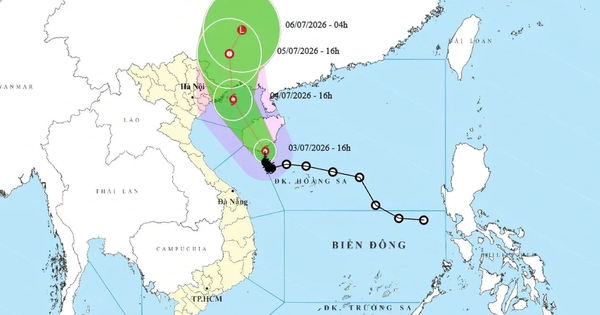
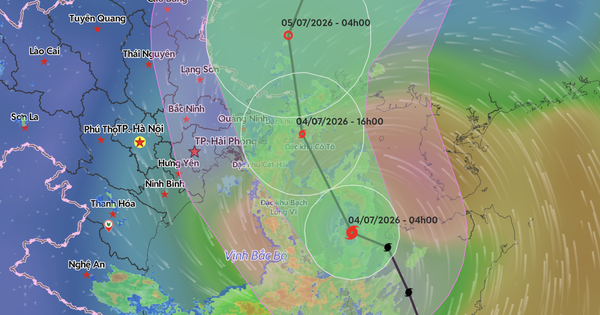
Typhoon Maysak, the first typhoon of the season, is rapidly approaching Vietnam's northeastern coast, with its eye located approximately 180 km southeast of Mong Cai in Quang Ninh province. The storm is currently packing sustained winds of 118-133 km/h (73-83 mph), with gusts reaching up to 175 km/h (109 mph), classifying it as a Category 1 typhoon.
The typhoon's outer bands began bringing heavy rain to the northeastern region and Thanh Hoa province early on July 4th. Forecasters predict widespread heavy rainfall across the northeastern region, with amounts potentially exceeding 200-300 mm and reaching over 500 mm in some areas. Provinces like Lang Son, Quang Ninh, Hai Phong, and Bac Ninh are expected to experience the most severe rain and wind.
Authorities have issued warnings for coastal areas, including Quang Ninh, Hai Phong, and Hung Yen, anticipating strong winds of level 6, with areas near the storm's eye experiencing level 7-8 winds and gusts up to level 10. Sea waves are expected to reach 2-3 meters high, with a storm surge of 0.2-0.4 meters. The National Center for Hydro-Meteorological Forecasting cautioned about the increased risk of thunderstorms, tornadoes, flash floods, and landslides, particularly in mountainous regions.
Maritime activities are also under threat, with warnings issued to ships and fishermen operating in the Gulf of Tonkin. The storm's heavy rainfall poses a significant risk of flooding in low-lying areas, while mountainous regions are vulnerable to flash floods and landslides. The center is closely monitoring the situation and urging all relevant parties to take necessary safety measures.
The northeastern region needs to be prepared for widespread heavy rainfall, accompanied by the risk of thunderstorms, tornadoes, flash floods, and landslides.
DistantNews Editorial
Originally published by Thanh Niên in Vietnamese. Translated, summarized, and contextualized by our editorial team with added local perspective. Read our editorial standards.
More Stories
From Our Blog

What Gets Lost (and Found) When News Is Translated

The Critical Role of Diaspora Media in Global News

What Travellers Should Know About Countries with Restricted Press

A Digital Nomad's Guide to Following Local News

How the Same Story Looks Different in Different Countries
