


Typhoon Narra Approaches Bạch Long Vĩ, Heavy Rains Spread to North Central Vietnam
Translated from Vietnamese, summarized and contextualized by DistantNews.
At a glance
News
Official statement
Ongoing story
- Typhoon Narra (Bão số 4) is approaching Bạch Long Vĩ island with winds of up to 88 km/h and gusts of 117 km/h.
- Heavy rainfall associated with the typhoon has spread to the North Central region, including Nghệ An province.
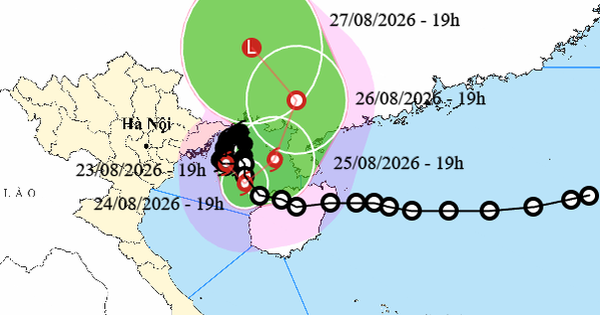
- Forecasters predict the typhoon will move slowly southwest, with heavy rain expected to continue until at least the morning of August 25.
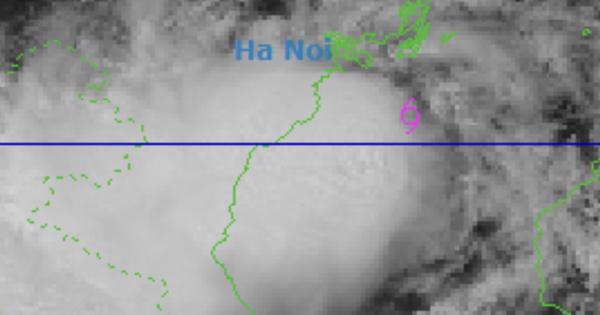
Typhoon Narra, known locally as Bão số 4, is nearing the Bạch Long Vĩ island in Hải Phòng, carrying strong winds of up to 88 km/h and gusts reaching 117 km/h. The storm's heavy rainfall has expanded, now affecting the North Central region, including Nghệ An province.
The storm's center was located on August 24 around 20.2 degrees North latitude and 107.5 degrees East longitude, approximately 125 km southeast of Quảng Ninh and 115 km east-southeast of Hải Phòng city. The typhoon is currently moving slowly southwest at about 5 km/h.
Residents on Bạch Long Vĩ have already experienced strong winds, with cấp 9 (75-88 km/h) and cấp 11 (103-117 km/h) gusts. Cô Tô island in Quảng Ninh is also experiencing strong winds, with cấp 7 (50-61 km/h) and cấp 9 (75-88 km/h) gusts.
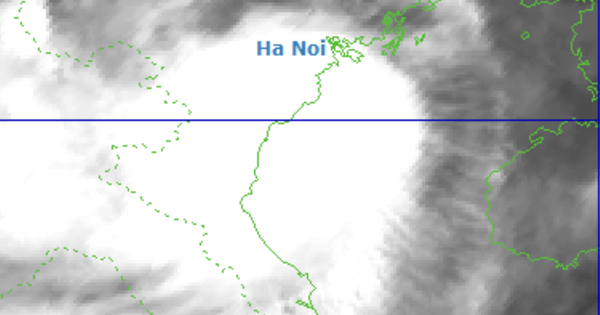
Heavy rain has shifted from the Northeast region into the North Central region, with areas in Thanh Hóa and Nghệ An recording over 100 mm of rainfall on August 24. Forecasters anticipate that if the typhoon continues its slow movement, heavy rains will persist. However, if it moves further out into the Bắc Bộ Gulf, rainfall intensity is expected to decrease from August 25.
We assess that the storm is tending to move out of the Bắc Bộ Gulf and shift south. If the cloud band does not reach the mainland, the rain will gradually decrease. The storm moving south means the circulation causing rain also shifts, causing heavy rain in the North Central provinces.
DistantNews Editorial
Originally published by Thanh Niên in Vietnamese. Translated, summarized, and contextualized by our editorial team with added local perspective. Read our editorial standards.
More Stories

From Our Blog

What Gets Lost (and Found) When News Is Translated

The Critical Role of Diaspora Media in Global News

What Travellers Should Know About Countries with Restricted Press

A Digital Nomad's Guide to Following Local News

How the Same Story Looks Different in Different Countries
