

Typhoon Narra Moves Slowly, Forecast to Dump Heavy Rain on Four Provinces
Translated from Vietnamese, summarized and contextualized by DistantNews.
At a glance
News
Official statement
Ongoing story
- Typhoon Narra (storm No. 4) is moving very slowly, forecast to bring heavy, continuous rain to four provinces.
- The storm's center is near northern Bach Long Vi Island, with strong winds expected in the Gulf of Tonkin and coastal areas of Quang Ninh and Hai Phong.
- Heavy rainfall could cause urban flooding, industrial zone inundation, and increase the risk of flash floods and landslides in mountainous regions.
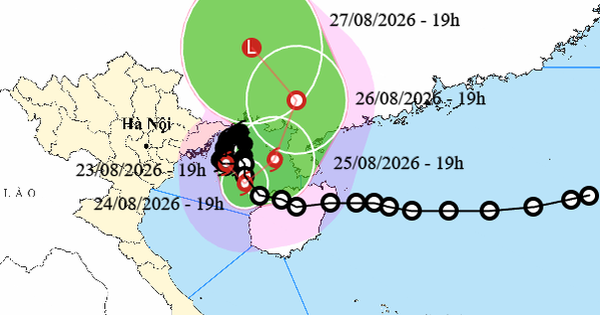
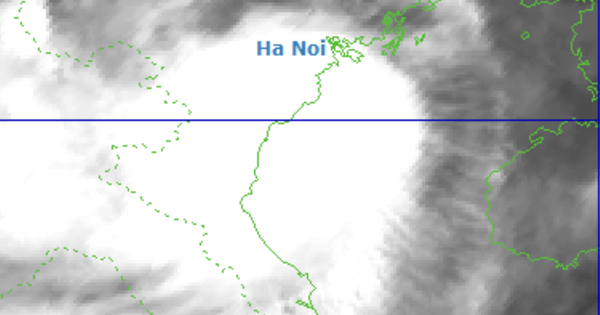
Typhoon Narra, designated storm No. 4, is moving at a very slow pace, with forecasts predicting significant and continuous rainfall across four provinces. The national weather center is closely monitoring the typhoon, warning of widespread heavy rain in northern Vietnam.
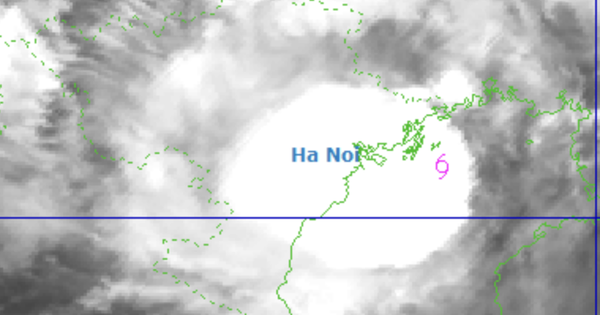
As of 7 AM today, August 24, the typhoon's eye was located approximately 120 km east-southeast of Quang Ninh and 120 km east of Hai Phong, near the northern waters of Bach Long Vi Island. Near the storm's center, wind speeds are reaching level 9, equivalent to 75-88 km/h, with gusts up to level 11. The typhoon is expected to move southeast today at a very slow speed of about 3 km/h.
Due to Typhoon Narra's influence, the northern Gulf of Tonkin, including islands like Bach Long Vi and Cat Ba, and coastal areas of Quang Ninh province and Hai Phong city, face the risk of strong winds from level 6-7, intensifying to level 8-9 near the storm's path, with gusts of level 10-11. Sea waves are projected to reach 3-5 meters, indicating very rough seas. Coastal land areas of Quang Ninh and Hai Phong may experience winds of level 6, with gusts up to level 8, potentially causing damage to roofs, temporary structures, trees, and advertising signs, as well as affecting power systems and transportation.
Heavy rainfall is expected to continue in the northeastern region and Thanh Hoa province, with amounts ranging from 20-50 mm, and locally over 120 mm. Four key areas, Hai Phong, Hung Yen, Ninh Binh, and Thanh Hoa, are anticipated to receive the brunt of the heavy rain, with amounts generally between 40-100 mm, and in some places exceeding 200 mm. This intense rainfall raises concerns about urban flooding, inundation in industrial zones and low-lying areas, and an increased risk of flash floods and landslides in mountainous regions.
DistantNews Editorial
Originally published by Thanh Niên in Vietnamese. Translated, summarized, and contextualized by our editorial team with added local perspective. Read our editorial standards.
More Stories


From Our Blog

What Gets Lost (and Found) When News Is Translated

The Critical Role of Diaspora Media in Global News

What Travellers Should Know About Countries with Restricted Press

A Digital Nomad's Guide to Following Local News

How the Same Story Looks Different in Different Countries
