


U.S. and Iran Exchange Fire in Strait of Hormuz Day After Peace Talk Reports
Translated from Korean, summarized and contextualized by DistantNews.
TLDR
- U.S. and Iranian forces exchanged fire in the Strait of Hormuz on March 7th, just one day after reports of progress in potential peace talks between the two nations.
- The U.S. Central Command stated that American destroyers responded with defensive airstrikes against Iranian missile and drone launches and naval assets.
- Despite the exchange, U.S. President Donald Trump affirmed that a ceasefire remains in effect.
Tensions flared in the Strait of Hormuz as U.S. and Iranian forces engaged in an exchange of fire on March 7th, a stark contrast to the preceding day's reports suggesting proximity to a memorandum of understanding for peace talks. This incident underscores the volatile nature of the region and the persistent friction between the two nations.
The U.S. Central Command (CENTCOM) reported that three U.S. Navy guided-missile destroyers—the USS Truxtun, USS Rafael Peralta, and USS Mason—were targeted by Iran with multiple missiles, drones, and small vessels as they transited the Strait of Hormuz en route to the Persian Gulf. The U.S. forces responded with defensive airstrikes against Iranian missile and drone launch sites, command and control centers, and intelligence, surveillance, and reconnaissance bases.
Iranian state media, IRIB, offered a different narrative, claiming that Iranian forces launched missile attacks on U.S. naval units after U.S. forces attacked an Iranian oil tanker. This conflicting reporting highlights the challenges in obtaining a clear, unbiased account of events in such a sensitive geopolitical area.
The ceasefire is continuing. It is valid.
While the exchange has raised concerns about a potential escalation of conflict in the Strait of Hormuz, U.S. President Donald Trump downplayed the incident, describing it as a "light tap" and reassuring that the ceasefire remains valid. CENTCOM also stated its intention to avoid further escalation while maintaining readiness to protect U.S. forces.
This incident serves as a critical reminder of the delicate balance in the region. Despite diplomatic overtures, the potential for military confrontation remains high, influenced by differing interpretations of events and ongoing strategic maneuvers. The international community will be closely watching how both sides navigate these challenges to prevent a wider conflict.
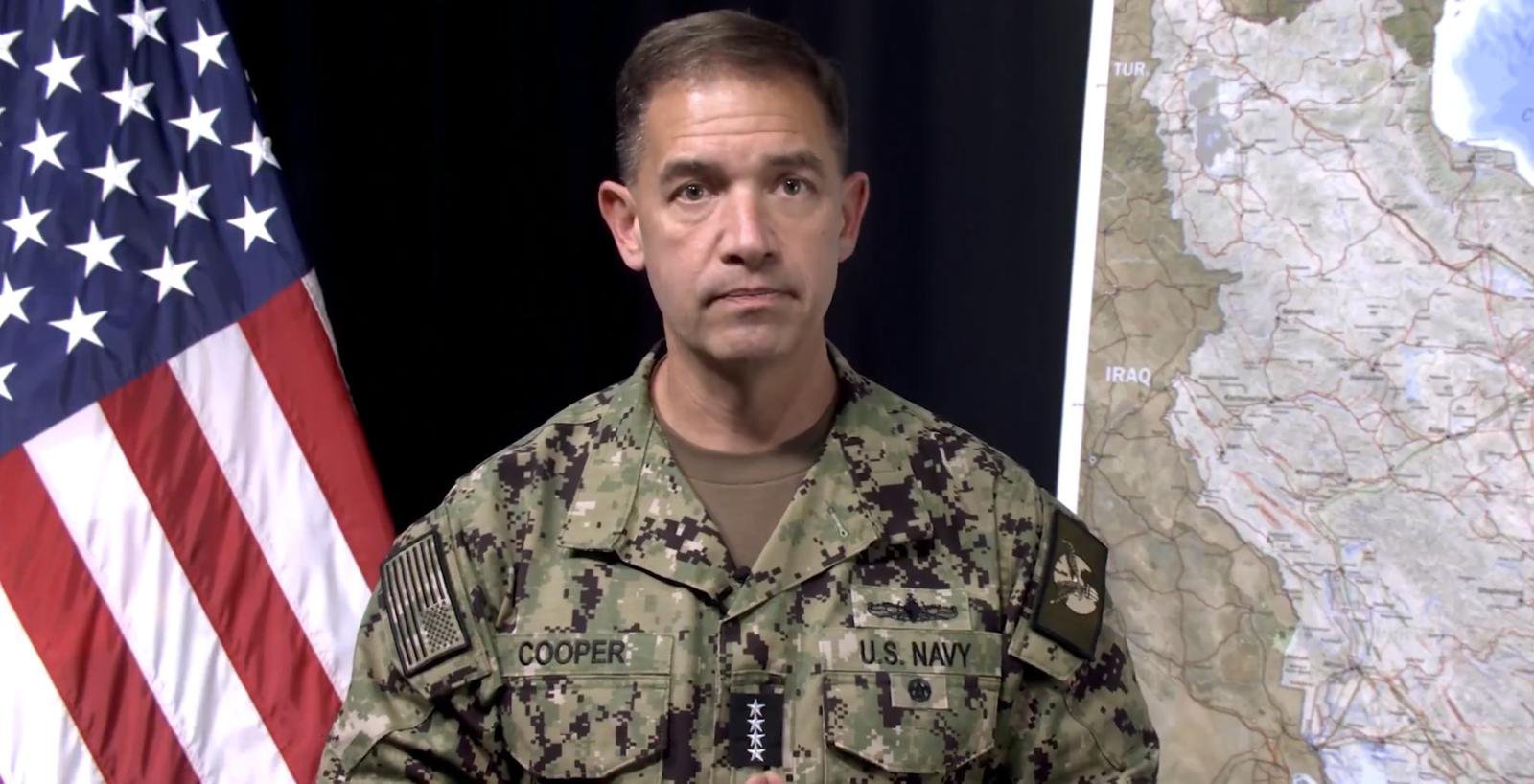
CENTCOM does not seek escalation, but we will maintain the posture to protect our forces.
DistantNews Editorial
Originally published by Dong-A Ilbo in Korean. Translated, summarized, and contextualized by our editorial team with added local perspective. Read our editorial standards.
More Stories


From Our Blog

What Gets Lost (and Found) When News Is Translated

The Critical Role of Diaspora Media in Global News

What Travellers Should Know About Countries with Restricted Press

A Digital Nomad's Guide to Following Local News

How the Same Story Looks Different in Different Countries
