

Ukrainian SMEs face EU integration challenges
Translated from Polish, summarized and contextualized by DistantNews.
At a glance
News
Sources not specified
Context piece
- Small and medium-sized enterprises (SMEs) are crucial to Ukraine's economy, forming nearly the entire business sector, providing most jobs, and acting as a pillar of economic resilience during the war.
- Ukrainian Deputy Minister of Economy Oleksandr Cybort stated that 99.9% of Ukrainian businesses are SMEs, responsible for three-quarters of employment.
- While survival was the priority early in the war, the focus has shifted to preparing SMEs for competition in the European market, requiring adaptation to EU standards and improved business environments.
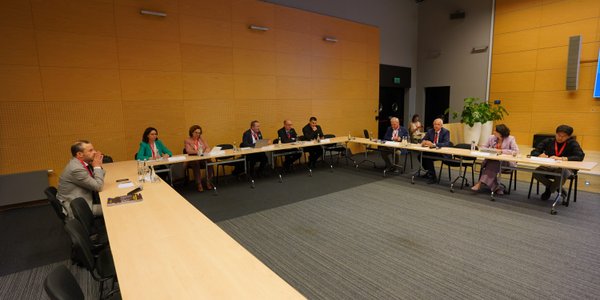
Small and medium-sized enterprises (SMEs) play an indispensable role in Ukraine's economy, representing almost the entire business sector, generating the majority of jobs, and serving as a cornerstone of economic resilience amidst the ongoing war. Participants at a workshop on "SMEs and Inclusive Growth: From EU Standards to Competitive European Value Chains" emphasized their vital importance.
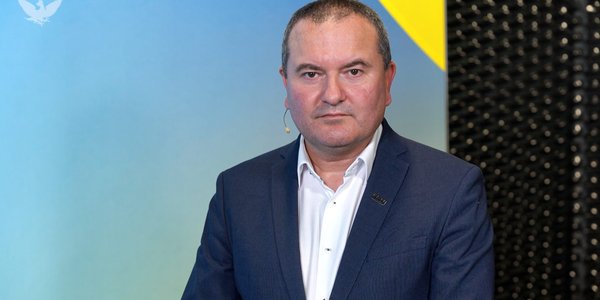
Oleksandr Cybort, Ukraine's Deputy Minister of Economy for Digital Development, Digital Transformation, and Digitization, highlighted that SMEs constitute 99.9% of all enterprises in the country and are responsible for approximately three-quarters of all jobs. He stressed that these businesses are not merely a segment of the economy but the economy itself. The war has presented these enterprises with unprecedented challenges, including destroyed infrastructure, unpredictability, limited access to financing, and the need for rapid adaptation.
Cybort stated that entrepreneurs do not need the state to rescue them but rather "a state that stops getting in the way and, where it can, provides them with useful tools." The approach to supporting Ukrainian firms has evolved. Initially, the priority was business survival. Now, the focus is increasingly on preparing these companies to compete in the European market.
Francesco Alonso, Deputy Head of the Directorate for Global Relations and Cooperation at the OECD, pointed out that Ukraine still faces significant economic challenges, including labor market pressures, rising operating costs, and the need for further reforms to improve the business environment. He emphasized that the focus for SMEs should gradually shift "from short-term survival towards competitiveness and integration into value chains." This involves simplifying regulations, improving business conditions, and preparing firms to leverage opportunities arising from Ukraine's integration with the European Union.
Angela Sax, Director of the Regional SME Finance and Development Network at the European Bank for Reconstruction and Development (EBRD), noted that entrepreneurs are increasingly seeking not only financing but also guidance on meeting regulatory requirements. "Financing is no longer as big a problem as it was before. The challenge remains compliance with regulations and knowing where to find support to prepare for them," she said. The EBRD supports firms through financing, advisory services, and training, aiming to help them navigate these complexities and enhance their competitiveness.
DistantNews Editorial
Originally published by Rzeczpospolita in Polish. Translated, summarized, and contextualized by our editorial team with added local perspective. Read our editorial standards.
More Stories


From Our Blog

What Gets Lost (and Found) When News Is Translated

The Critical Role of Diaspora Media in Global News

What Travellers Should Know About Countries with Restricted Press

A Digital Nomad's Guide to Following Local News

How the Same Story Looks Different in Different Countries
