


UMNO-BN and Pas Explore Cooperation Ahead of 16th General Election
Translated from Malay, summarized and contextualized by DistantNews.
At a glance
Analysis
Sources not specified
Context piece
- Malaysian politics is entering a new phase where traditional rivalries are blurring after the 15th General Election.
- The historic hung parliament led to a unity government, prompting political realignments and strategic alliances based on the need for power.
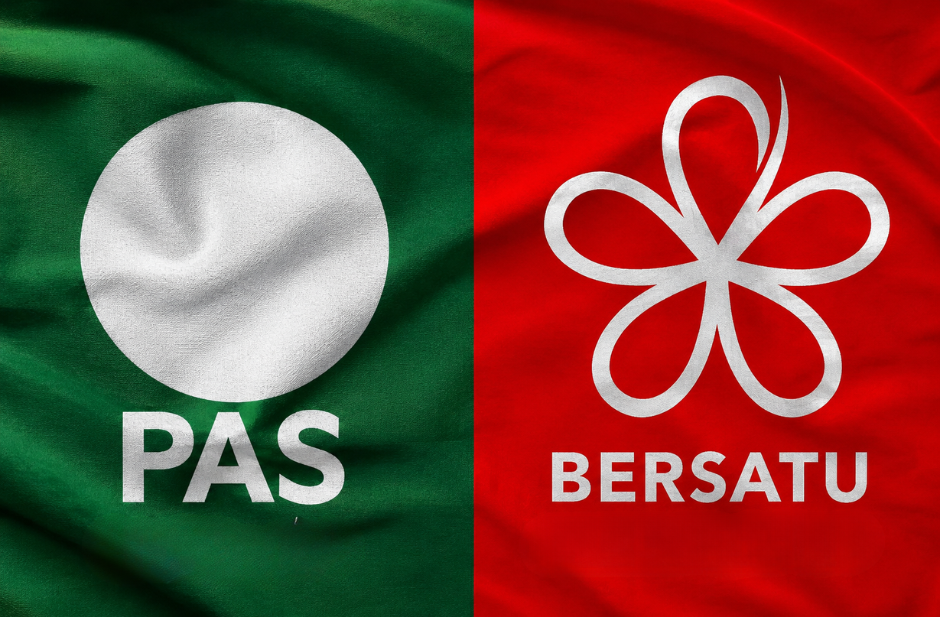
- A potential UMNO-BN and Pas cooperation for upcoming elections is seen as a strategic adjustment in a competitive democracy, aiming to consolidate Malay votes.
Malaysia's political landscape is undergoing a significant transformation, marked by the fading of traditional rivalries between major Malay parties like UMNO and Pas. For decades, these parties competed for Malay political dominance, often fueled by narratives of religion, race, and leadership. However, the political climate shifted dramatically after the 2018 general election, leading to the formation of Muafakat Nasional (MN) in 2019, a pact that, while short-lived, demonstrated how strategic interests could override historical animosities.
The 2022 general election further reshaped the political terrain, resulting in a hung parliament for the first time in Malaysia's history. This unprecedented outcome necessitated the formation of a unity government, bringing together disparate coalitions like Pakatan Harapan (PH), Barisan Nasional (BN), and regional alliances. While this unity government has stabilized the institutional framework, it has created a complex political psychology, particularly for traditional UMNO supporters accustomed to a long-standing rivalry with PH.
This phenomenon aligns with the concept of political realignment, where parties adjust their alliances based on evolving environmental factors and current demands. In this new paradigm, political partnerships are fluid, driven by the pragmatic pursuit of power rather than fixed allegiances. Consequently, discussions about potential cooperation between UMNO-BN and Pas in future elections are not surprising but rather a natural adaptation to an increasingly competitive democratic system.
Recent electoral dynamics, including tactical cooperation in state elections in Johor and Negeri Sembilan, suggest that communication channels between UMNO-BN and Pas remain open. The success of their joint strategy in these states, despite the absence of a formal alliance, indicates a growing perception that tactical electoral cooperation is a viable possibility. From an electoral standpoint, such a partnership could consolidate Malay votes, potentially diminishing the fragmentation that has previously benefited opposing factions. The core question remains how this strategic alignment will navigate the complexities of Malaysian politics.
DistantNews Editorial
Originally published by Utusan Malaysia in Malay. Translated, summarized, and contextualized by our editorial team with added local perspective. Read our editorial standards.
More Stories


From Our Blog

What Gets Lost (and Found) When News Is Translated

The Critical Role of Diaspora Media in Global News

What Travellers Should Know About Countries with Restricted Press

A Digital Nomad's Guide to Following Local News

How the Same Story Looks Different in Different Countries
