


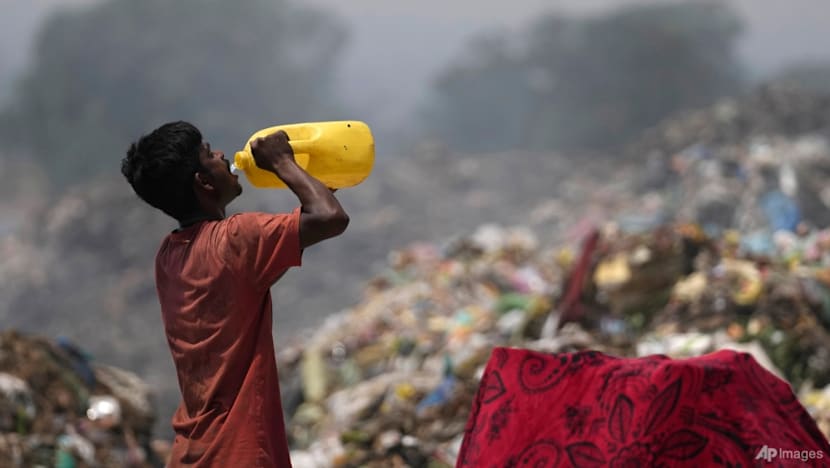
WHO official: Investment gaps, weak governance slowing safe drinking water access for billions
Translated from English, summarized and contextualized by DistantNews.
At a glance
News
Named sources
New plan
- Billions of people worldwide still lack access to safely managed drinking water, with 106 million relying on untreated sources.
- Investment gaps, weak governance, and a lack of political will are hindering progress, according to a World Health Organization official.
- New WHO guidelines aim to improve drinking water quality by addressing traditional and emerging threats like microplastics and PFAS.
Globally, 2.1 billion people still lack access to safely managed drinking water, a critical issue that a World Health Organization official highlighted as being slowed by significant investment gaps, governance challenges, and a general lack of political will. Bruce Gordon, who leads the WHO’s water, sanitation, hygiene, and health unit, noted that while progress is being made, it remains too slow to meet the urgent need.
We see the trends are going in the right direction, but just slowly.
Gordon explained that the trends are moving in the "right direction, but just slowly." He emphasized that problems cannot simply be wished away or solved when it is "too little, too late." His remarks followed the release of updated WHO guidelines on drinking water quality, designed to help countries enhance public health by ensuring safer water sources. These guidelines aim to close existing safety gaps and establish stronger regulations and monitoring practices.
You can't just treat all the problems away. You can't just sort of think we're going to solve this when it's too little, too late.
The updated guidance arrives amid growing concerns over both established and new threats to water safety. Gordon pointed to emerging contaminants such as microplastics, PFAS (per- and polyfluoroalkyl substances), and pharmaceuticals in drinking water as significant challenges. While technology allows for the detection of contaminants at extremely low levels, regulators need effective strategies for risk management and prioritization.
All over the world we're facing new threats, new emerging contaminants and there's public concern around them – things like microplastics, things like PFAS (per- and polyfluoroalkyl substances), or ‘forever chemicals’, and pharmaceuticals in drinking water.
Access to safe drinking water is fundamental for health, recognized as a basic human right, and a cornerstone of public health protection. Despite recent improvements, it remains a major global hurdle. Gordon stressed the need for enhanced coordination across various sectors, urging regulators to focus on the most critical parameters rather than being overwhelmed by numerous potential contaminants. The WHO is urging a concerted effort to accelerate progress and ensure safe drinking water for all.
We need all systems working together. We need to have regulators prioritising the right parameters – not being overwhelmed by 100 potential contaminants and thinking about the big things.
DistantNews Editorial
Originally published by CNA in English. Translated, summarized, and contextualized by our editorial team with added local perspective. Read our editorial standards.
More Stories


From Our Blog

What Gets Lost (and Found) When News Is Translated

The Critical Role of Diaspora Media in Global News

What Travellers Should Know About Countries with Restricted Press

A Digital Nomad's Guide to Following Local News

How the Same Story Looks Different in Different Countries
