

UNAM Paid Double for Failed Exam; Ceuta Crisis Escalates; Metro Funds Questioned
Translated from Spanish, summarized and contextualized by DistantNews.
At a glance
News
Sources not specified
Context piece
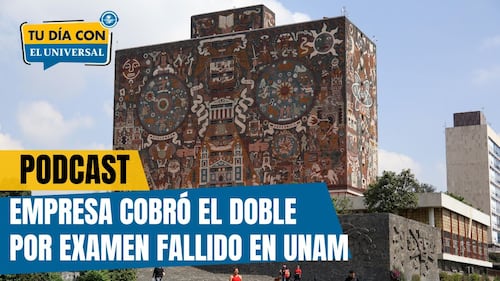
- A company charged UNAM double the price for a failed online admission exam, costing 101 million pesos compared to 49 million for a future in-person test.
- The Ceuta crisis has escalated into a European issue, with authorities returning 48,000 migrants to Morocco amidst 57 reported deaths.
- Mexico's Metro system reported 741 million pesos in World Cup 2026 infrastructure work, a figure inconsistent with previous data.
The National Autonomous University of Mexico (UNAM) reportedly paid double the expected amount for an online admission exam that ultimately failed. The company, Territorium Life, charged UNAM 101 million pesos for the online application, a figure significantly higher than the 49 million pesos allocated for a planned in-person evaluation in 2025.
In international news, the migrant crisis in Ceuta has intensified, prompting a European response. Spanish authorities have returned approximately 48,000 migrants to Morocco following a surge that resulted in at least 57 reported deaths. The situation in the Spanish enclave on the North African coast has become a significant concern for the region.
Domestically, the Mexico City Metro system has reported significant investment in infrastructure for the 2026 World Cup. The reported figure of 741 million pesos for these works, however, appears inconsistent with previously released data from June, raising questions about transparency and financial reporting.
Additionally, a feminicide investigation is progressing, with authorities linking the victim, influencer Valeria Márquez, to the son of a known criminal figure, Ramón Ángel "N," also known as "R1." Investigations suggest the son may have commissioned his father to commit the crime.
In sports news, FIFA President Gianni Infantino has reportedly canceled plans to privatize the World Cup, stating that the proposal "will not advance." This decision comes amid discussions about the future structure and commercialization of the tournament.
DistantNews Editorial
Originally published by El Universal in Spanish. Translated, summarized, and contextualized by our editorial team with added local perspective. Read our editorial standards.
More Stories

From Our Blog

What Press Freedom Means for the News You Read

What Gets Lost (and Found) When News Is Translated

The Critical Role of Diaspora Media in Global News

What Travellers Should Know About Countries with Restricted Press

A Digital Nomad's Guide to Following Local News
