


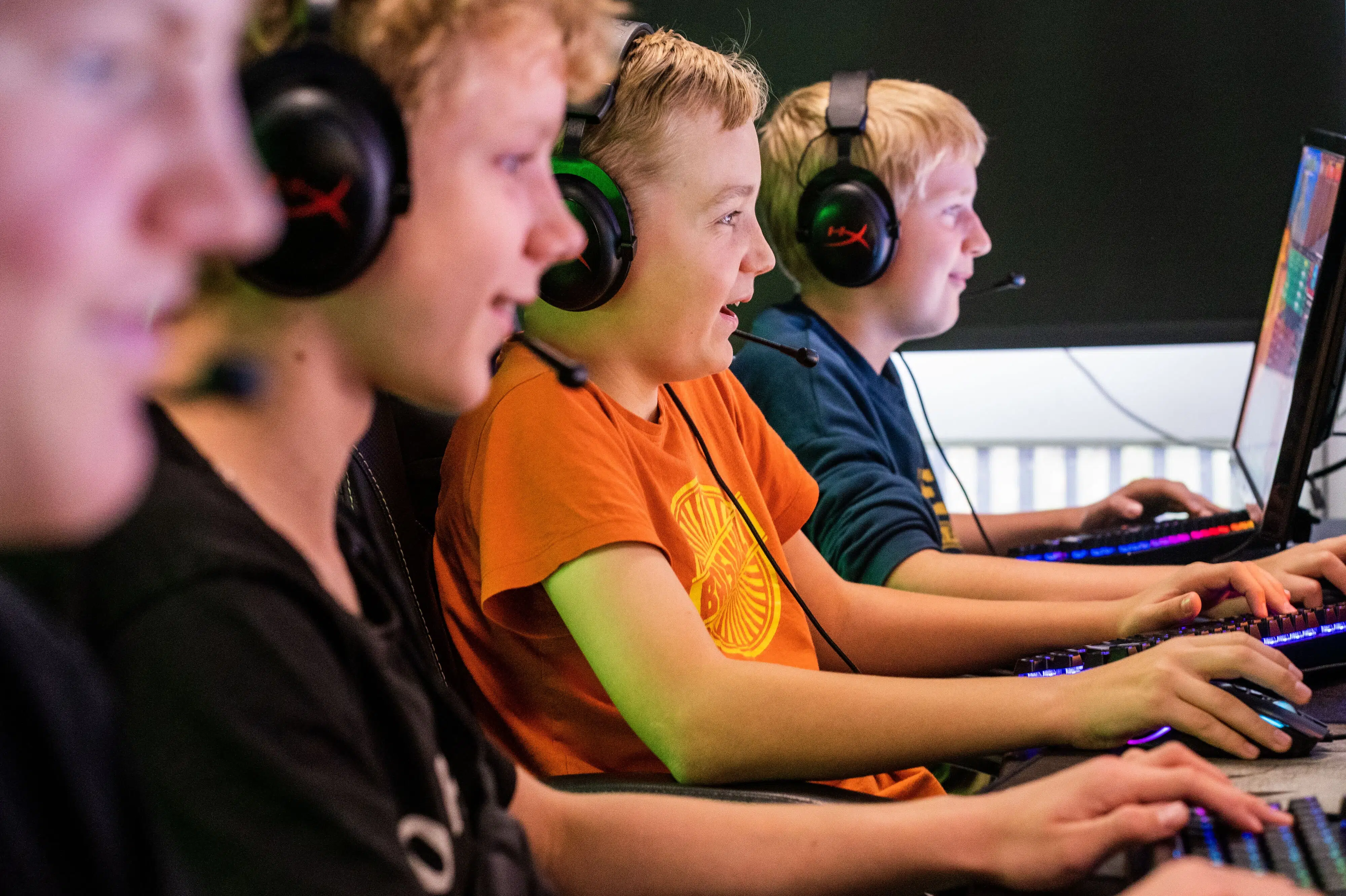
UNICEF Denmark Calls for Ban on In-Game Loot Boxes for Children
Translated from Danish, summarized and contextualized by DistantNews.
TLDR
- UNICEF Denmark has investigated the gaming habits of 1785 Danish children.
- The study found that 52% of respondents have spent money on loot boxes, which contain random digital rewards.
- UNICEF is calling for clear rules to ban children from purchasing loot boxes in computer games, citing concerns about gambling addiction.
In Denmark, the digital lives of our children are increasingly intertwined with the gaming world. A recent investigation by UNICEF Denmark, involving 1785 children, has shed light on a concerning trend: the prevalence of 'loot boxes' within computer games. These digital treasures, which offer random rewards, have become a significant part of children's gaming experience, with over half of those surveyed admitting to spending money on them.
Unicef Denmark's Secretary General, Susanne Dahl, has voiced serious concerns, stating that loot boxes and other addictive features are deeply embedded in children's digital routines. She emphasizes the urgent need for clear regulations that prioritize children's rights and well-being. This call for action is echoed by Anni Marquard, CEO of the Center for Digital Pedagogy, who highlights the excessive nature of these gambling-like purchases in games. Marquard advocates for stronger protection and legislation to ensure that children's gaming is driven by enjoyment and social interaction, rather than exploitative business models.
When we so clearly see that loot boxes and other addictive functions have become a big part of children's digital everyday lives, there is a need for clear rules that put children's rights and well-being first.
The investigation also touched upon negative experiences on social media platforms like Discord, with a third of respondents reporting unpleasant interactions, including verbal abuse, unwanted contact, and exposure to disturbing content or attempted fraud. These findings underscore a broader issue of online safety for young people in Denmark, extending beyond the gaming sphere. The Danish perspective is one of proactive concern, seeking to balance the benefits of digital engagement with the need to shield children from potential harm and unethical commercial practices.
Therefore, there is a need for better protection and legislation, so that children's gaming lives are not controlled by unethical business models, but by the desire to play and be together with others.
DistantNews Editorial
Originally published by Berlingske in Danish. Translated, summarized, and contextualized by our editorial team with added local perspective. Read our editorial standards.
More Stories


From Our Blog

What Gets Lost (and Found) When News Is Translated

The Critical Role of Diaspora Media in Global News

What Travellers Should Know About Countries with Restricted Press

A Digital Nomad's Guide to Following Local News

How the Same Story Looks Different in Different Countries
