


UNICEF, Enugu, Benue Partner to Combat Child Malnutrition in First 1,000 Days
Translated from English, summarized and contextualized by DistantNews.
TLDR
- UNICEF, along with Enugu and Benue states' health agencies, held a meeting to combat malnutrition in children during their first 1,000 days of life.
- The initiative, supported by the U.S. government, focuses on the period from conception to two years post-birth, emphasizing maternal and child well-being.
- Officials highlighted the critical impact of malnutrition on children's intellectual development and the importance of empowering mothers.
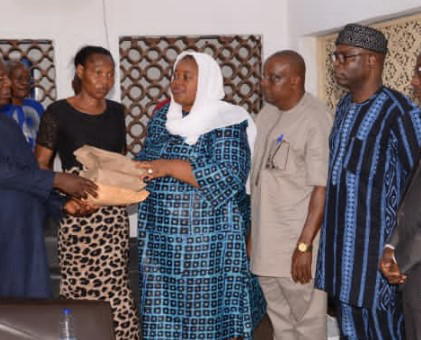
In a significant step towards safeguarding the future of our children, UNICEF, in partnership with the Enugu and Benue State Primary Health Care Development Agencies (SPHCDA), has convened a crucial planning session to eradicate malnutrition within the critical first 1,000 days of life. This vital initiative, generously supported by the United States Government, underscores a shared commitment to the health and development of our nation's youngest citizens.
With support from the United States government through funding and technical assistance, UNICEF and the state of Benue are collaborating in the implementation of a program on the first 1,000 days of children.
The focus on the first 1,000 days, spanning from conception through pregnancy and up to the child's second birthday, is paramount. As UNICEF's Chief of Field Office in Enugu, Mrs. Juliet Chiluwe, articulated, this period is a "critical milestone." It encompasses comprehensive support for expectant mothers, ensuring skilled birth attendance, and providing children with essential immunizations and nutritious food. This holistic approach recognizes that a child's well-being is intricately linked to the health and empowerment of the mother.
Dr. Ifeyinwa Ani-Osheku, Executive Secretary of the Enugu SPHCDA, brought a stark reality to the forefront, noting the alarming statistics of stunted growth among children in the region. She rightly emphasized that this is not merely a health issue but a multifaceted crisis impacting intellectual development. The empowerment of women, enabling them to make informed choices about nutrition for their families, is identified as a key factor in overcoming this challenge.
What it means is that from the word go, the children are not able to develop intellectually and that is a disaster. It is not just a health-related matter but a multifaceted factor, which include how well are their mothers getting balanced diet from the time they conceived the children to the time they were born and what are the children fed with from then to two years, which is their first 1,000 days of life?
This collaborative effort, involving health, agriculture, budget, and planning ministries from both Enugu and Benue states, exemplifies the kind of integrated approach needed to tackle complex developmental issues. While international organizations like UNICEF provide essential support and expertise, the true success lies in the sustained commitment and effective implementation by state and local authorities. This focus on the foundational years of a child's life is an investment that promises immense returns for the future prosperity and health of Nigeria.
If the women are empowered, they can make choices about how they can help their families, including the meals to serve at home, and that is why this meeting is very important.
DistantNews Editorial
Originally published by ThisDay in English. Translated, summarized, and contextualized by our editorial team with added local perspective. Read our editorial standards.
More Stories


From Our Blog

How the Same Story Looks Different in Different Countries

What Gets Lost (and Found) When News Is Translated

The Critical Role of Diaspora Media in Global News

What Travellers Should Know About Countries with Restricted Press

A Digital Nomad's Guide to Following Local News
